














































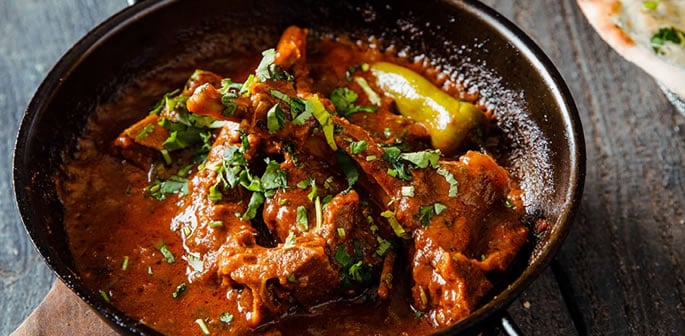
The Balti originated in Birmingham in the mid-1970s.
A campaign has been launched to secure UNESCO status for the Birmingham Balti, with supporters hoping the recognition will protect its legacy and revive interest in the city’s historic Balti Triangle.
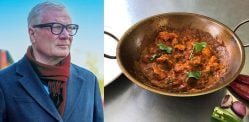
The campaign is being led by Andy Munro, who has spent the past decade working to safeguard the balti for future generations.
As secretary of the Association for the Protection of the Authentic Balti, he is seeking recognition comparable to protected regional foods such as the Melton Mowbray pork pie or Arbroath smokie.
He told The Sunday Times: “My mission is to ensure that when people come to Birmingham, they don’t go into a restaurant and think, ‘What’s the fuss about? That’s just like every other curry I’ve ever had’.”
The application process for the recognition is expected to take around six months.
The Balti originated in Birmingham in the mid-1970s.
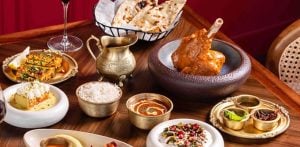
It involves a specially designed balti bowl, made of thin pressed carbon steel, which heats up quickly. It’s typically cooked using vegetable oil instead of ghee and cooked quickly over a high flame.
A cluster of restaurants situated near each other specialised in the dish and the area soon became known as the Balti Triangle.
At its peak during the 1990s, around 30 establishments were serving baltis in the district.
However, the area has experienced a gradual decline in recent years and only a small number of restaurants remain.
Several factors have contributed to the downturn.
The closure of many local pubs has removed a key source of late-night customers, as drinkers once visited the restaurants after last orders in search of affordable and flavourful food.
At the same time, rising rents have placed financial pressure on restaurant owners.
Changing food trends have also brought increased competition to Ladypool Road, where Lebanese and North African cuisines have attracted new diners.
The popularity of the Balti beyond Birmingham has created another challenge.
Variations of the dish are now served across the UK, although Mr Munro and Shababs owner Zaf Hussain have questioned whether many of these versions are truly authentic.
Generational changes have also influenced the dish’s popularity.
Younger residents in Birmingham increasingly view the Balti as food associated with older generations rather than a modern dining option.
Mr Munro said: “There are loads of burger places around here now.”
Restaurant closures have also occurred when long-standing owners retired and their children chose different career paths.
Many younger family members have pursued university education and professional careers rather than taking over the businesses.
Mr Munro believes cultural recognition could help restore pride in the dish and support the remaining restaurants.
He hopes the designation will also encourage new businesses to open and draw younger diners back to the Balti Triangle.
Mr Munro said: “I’d like to think it will encourage people to stay in the restaurants and maybe open one or two more.”
As part of his work, he personally inspects restaurant kitchens to ensure establishments claiming to serve baltis follow traditional preparation methods.
So far, he has identified around ten authentic Balti restaurants across Birmingham and the Black Country. A further ten establishments may also meet the criteria but have yet to be confirmed.