
















































India itself is one of the world’s largest digital markets.
The southern Indian state of Karnataka has announced plans to ban social media use for children under 16, marking a first-of-its-kind move in the country.
The proposal was revealed by Chief Minister Siddaramaiah during the state’s 2026–27 budget speech in the Karnataka Assembly on March 6, 2026.
He stated that social media usage would be prohibited for children under 16 to reduce the harmful effects linked to growing mobile and internet dependence.
The announcement positions Karnataka as the first Indian state to formally propose restricting minors’ access to major social media platforms.
Officials say the ban will apply to digital platforms commonly used by young people, including apps such as Instagram, TikTok, Snapchat, YouTube and X.
However, the chief minister did not provide details about when the restriction will take effect or how it will be implemented across the state.
Government sources indicate that new regulatory measures will likely be introduced to prevent users under 16 from accessing these platforms.
This could involve cooperation between technology companies, schools, parents and state authorities, though a formal framework has not yet been released.
The government says the proposal aims to shield children from the negative consequences of excessive screen time and online engagement.
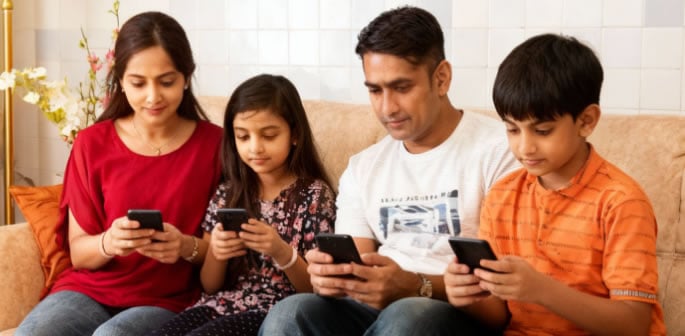
Concerns cited by officials include digital addiction, cyberbullying, exposure to harmful content and wider mental health pressures linked to constant social media use.
Local coverage has framed the policy as a protective step designed to safeguard children’s well-being and long-term development in an increasingly digital world.
The move is particularly notable because Karnataka is home to Bengaluru, widely known as India’s Silicon Valley.
The city hosts major global technology companies such as Microsoft, Amazon, IBM, Dell and Google.
India itself is one of the world’s largest digital markets, with around 750 million smartphones and close to one billion internet users nationwide.
The country is also the biggest global market for Meta platforms, including Facebook, Instagram and WhatsApp.
Karnataka has a population of roughly 67.6 million, with government estimates suggesting less than one quarter are under the age of 15.
The proposal arrives as governments worldwide debate stronger regulation of children’s social media use.
In December, Australia moved to ban social media access for under-16s, sparking international discussion about youth safety online.
Meanwhile, the United Kingdom, Denmark and Greece are exploring similar measures.
Within India, the state of Goa is reportedly considering comparable restrictions.
A lawmaker in Andhra Pradesh has also proposed legislation aimed at limiting social media use among children.
At the national level, India’s chief economic adviser has urged the central government to examine age-based access rules to address growing concerns over digital addiction.
Despite the attention surrounding the announcement, the Karnataka proposal remains a policy commitment rather than a fully drafted law.
Observers say the measure will likely require fresh legislation and advanced age-verification systems on platforms before it can be enforced.
If implemented, the policy could set a precedent for other Indian states and spark a wider debate about how young people engage with social media in the digital age.