















































“What surprised me wasn’t homesickness"
Saurav Sharma has a simple question for immigrants: how much of your day is actually yours?
Originally from Nepal, the West London-based digital specialist and forager believes many migrants are quietly surrendering hours of attention to cross-border obligations and outrage-driven news cycles.
Through his project, Saurav Insight, he explores how the attention economy intersects with migration, identity and belonging.
At the centre of his analysis is what he calls the “Immigrant Time Tax” – the emotional and digital burden of maintaining family ties across borders while doomscrolling through diaspora updates.
He also describes a “Digital Parrot Cage”, where algorithms keep communities reacting to homeland politics long after they have physically relocated.
For British South Asians and other migrant communities, this pattern is familiar.
Late-night WhatsApp debates, constant monitoring of instability back home and a sense of duty to remain informed stretch attention across time zones.
In an interview with DESIblitz, Sharma explains how divided focus undermines professional growth, weakens relationships and sustains low-grade stress, and why reconnecting with land may offer a practical response to digital exhaustion.
The Immigrant Time Tax
Are immigrants paying a hidden “time tax” by constantly staying connected to family abroad?
Saurav Sharma believes they are. But the cost is not monetary.
He says: “Yes, but it’s not financial. It’s attentional.”
Sharma moved to the UK in January 2023 from Kathmandu, Nepal.
He expected homesickness but that wasn’t the case, as he explains:
“What surprised me wasn’t homesickness; it was fragmentation. You are physically in London, but psychologically stretched across time zones.”
That stretch is sustained through habit. Not dramatic events, but repeated micro-engagements.
Sharma defines the mechanism clearly: “The ‘Immigrant Time Tax’ is paid in micro-moments: late-night political debates on WhatsApp, monitoring instability back home, feeling the need to stay updated on developments that don’t directly affect your day-to-day life here.”
Staying informed becomes an extension of care.
He says: “Immigrants don’t just send money home. We send attention home.
“Over time, that divided attention reduces depth in work, in relationships, and in how fully we arrive in our new country.”
Outrage Cycles
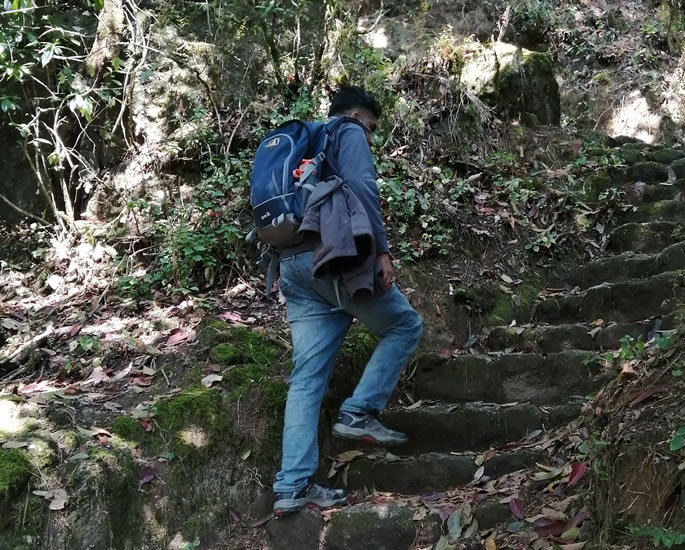
Digital platforms amplify this strain. Saurav Sharma argues that outrage-driven systems are engineered to hook identity:
“Outrage-driven content keeps us in a loop of reaction. Algorithms are designed to trigger identity and emotion and when that identity is tied to your homeland, disengaging can feel disloyal.”
For South Asian diaspora communities, homeland politics carries emotional weight. But distance limits influence.
Reflecting on his own habits, Sharma admits: “In my case, doomscrolling Nepali politics, old leaders versus new leaders, endless blame cycles, created emotional spikes without meaningful agency.
“I was invested in events I couldn’t influence from abroad.
“That combination, emotional activation without agency, is exhausting.”
It also adds up, as he says:
“Even losing one or two hours a day to this kind of reactive consumption compounds over time. It fragments attention, weakens depth, and quietly erodes long-term focus.”
Many immigrants frame constant updates as loyalty.
Sharma argues: “For many immigrants, consuming homeland news feels like loyalty. But psychologically, it keeps the nervous system in a constant state of low-grade stress.”
The result is sustained reactivity.
“You’re not resting. You’re reacting.”
Guilt, Identity and Two Time Zones
The attentional burden extends beyond media consumption. Family communication reinforces availability “because connection equals responsibility”.
For those who have “gone abroad”, presence in WhatsApp groups signals commitment.
Sharma explains: “Family groups are not just chats; they are emotional lifelines.
“If you are the one who has ‘gone abroad’, there’s often an unspoken expectation that you remain available, informed, and supportive.”
While living with other Nepali students and couples in London, Sharma saw the same pattern repeat. Phones functioned as cross-border management tools.
He says: “I’ve seen this repeatedly while living with other Nepali students and couples in London. The phone becomes a second country you are managing.”
And when muting notifications, it can trigger disproportionate guilt.
Sharma says: “Muting notifications can feel like muting your belongings.
“The guilt isn’t about messages. It’s about identity.”
When asked whether constant availability amounts to burnout, Sharma says: “Absolutely.
“Emotional burnout doesn’t only come from corporate pressure. It can also come from being perpetually accessible across borders.”
The realisation crystallised during long household conversations centred on Nepal:
“When my wife would spend long calls helping relatives navigate issues back home, I realised something: we were physically in the UK, but mentally operating in Nepal.”
Without boundaries, migrants live across two psychological environments. The arrangement carries meaning, but also weight.
Sharma adds: “Burnout happens when there’s no psychological boundary between where you live and where you’re needed.
“Immigrants often live in two time zones simultaneously. That dual existence is meaningful but it’s heavy.”
Replacing Reaction with Intention
Saurav Sharma does not advocate withdrawal from family or homeland. His solution is structure.
The turning point began with auditing digital inputs. Reactive scrolling was replaced with deliberate learning.
He says: “For me, the turning point was reducing reactive social media consumption.
“I stopped consuming distraction-driven content and replaced it with structured inputs – serious self-development podcasts, digital trend analysis, and long-form learning.
“The shift wasn’t about less information. It was about better information.”
The impact became visible at home. As the father of a young daughter, his presence shifted from partial to full.
Sharma elaborates: “When I reduced digital noise, I noticed something immediate: I was actually present with her. Not half-scrolling. Not mentally elsewhere. Fully there.
“That presence strengthened our bond and restored a sense of grounding I didn’t realise I was missing. For the first time since migrating, I felt fully located in one place.”
Practical boundaries soon followed, such as scheduled call times, intentional news windows, skill-based learning and offline rituals like foraging.
Sharma states: “You have to replace the habit, not just remove it.”
One ritual that reconnects him to Nepal is traditional nettle soup.
Sisno, or nettles, once carried associations of poverty in his home country. It is now marketed globally as a superfood.
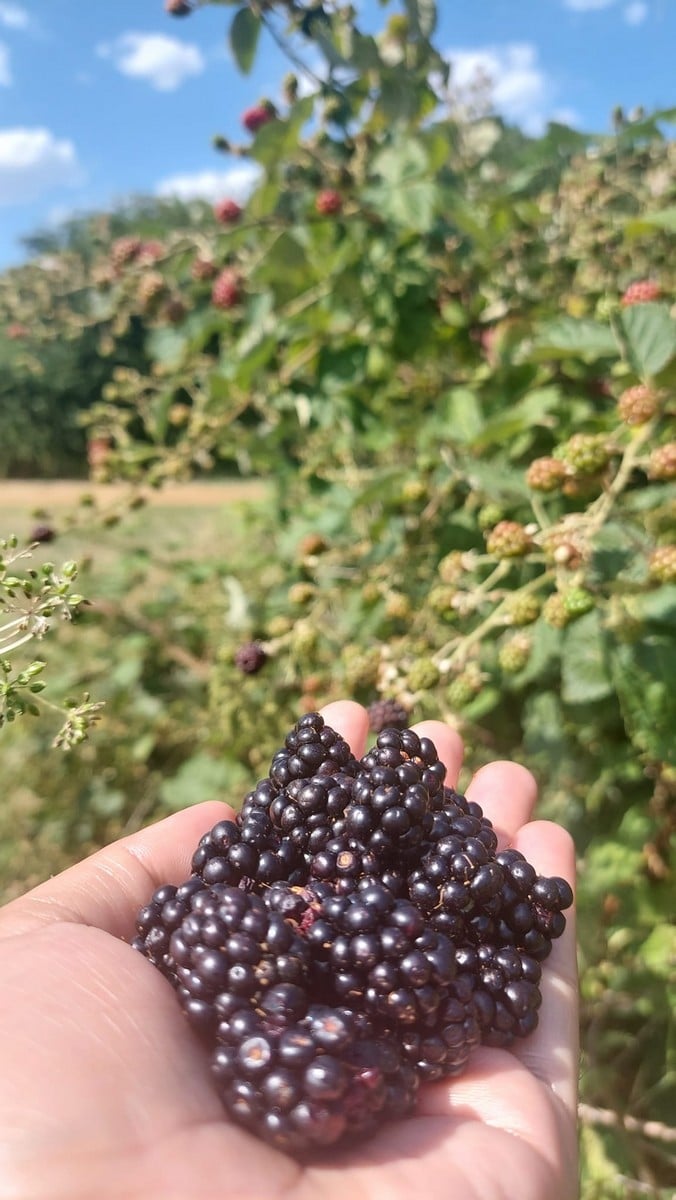
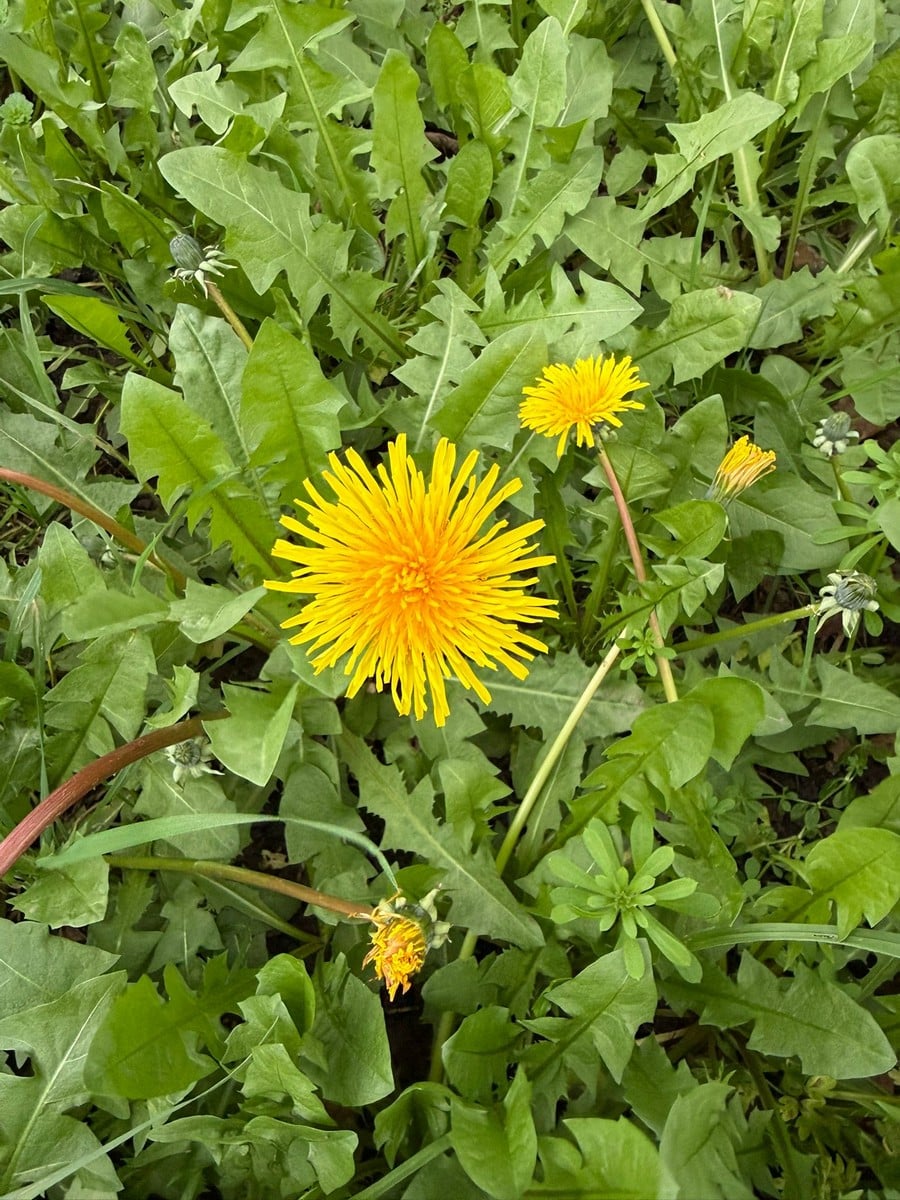
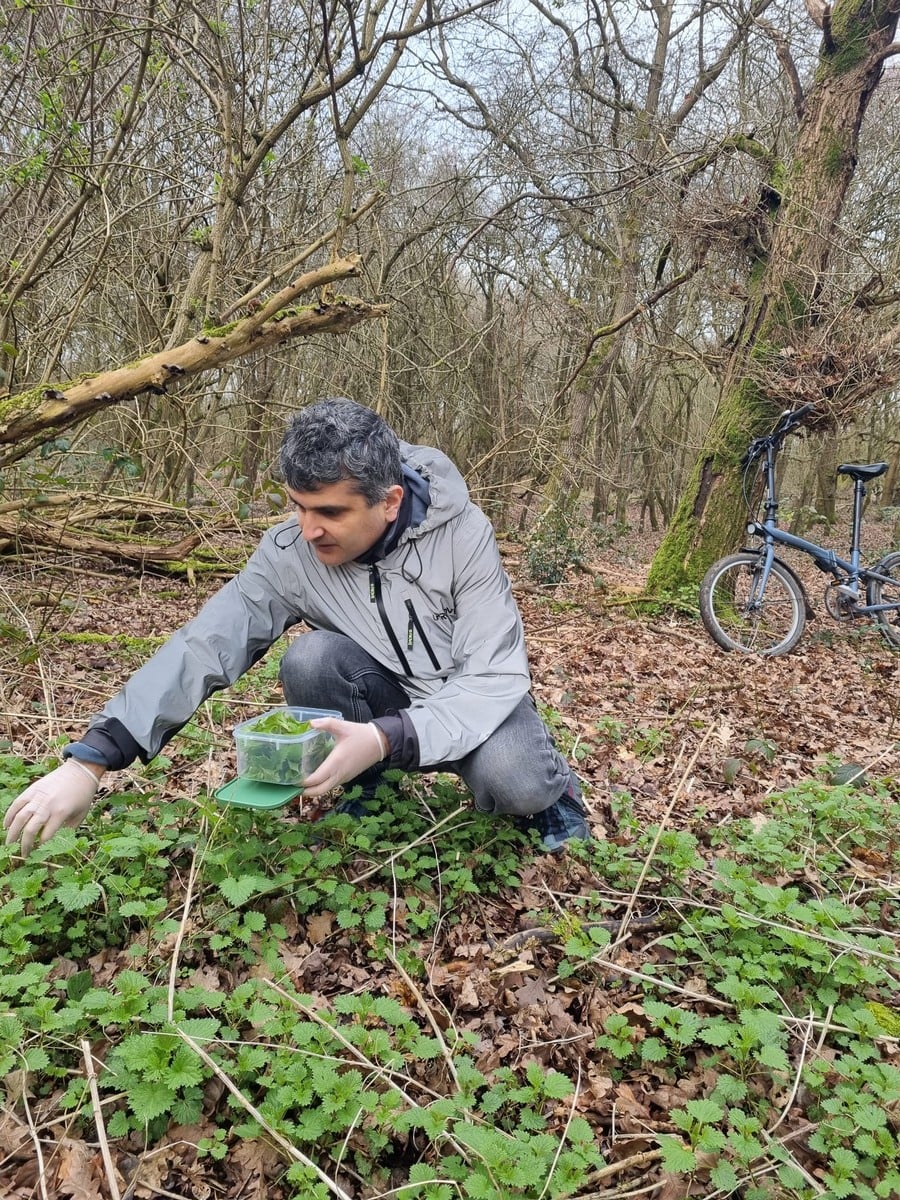
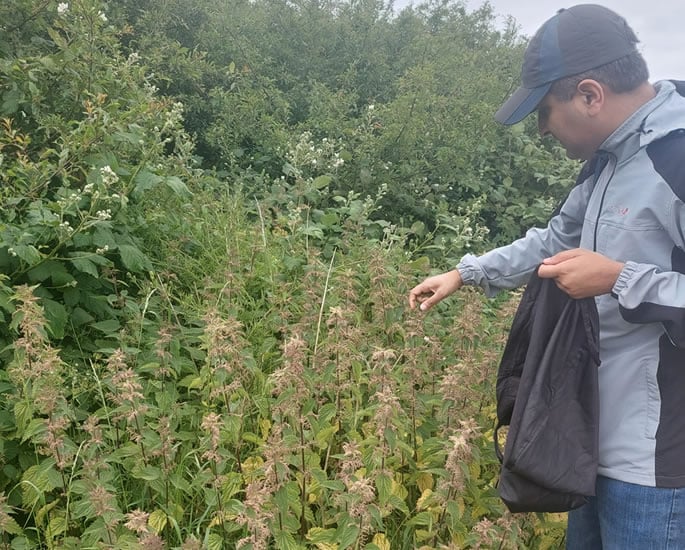
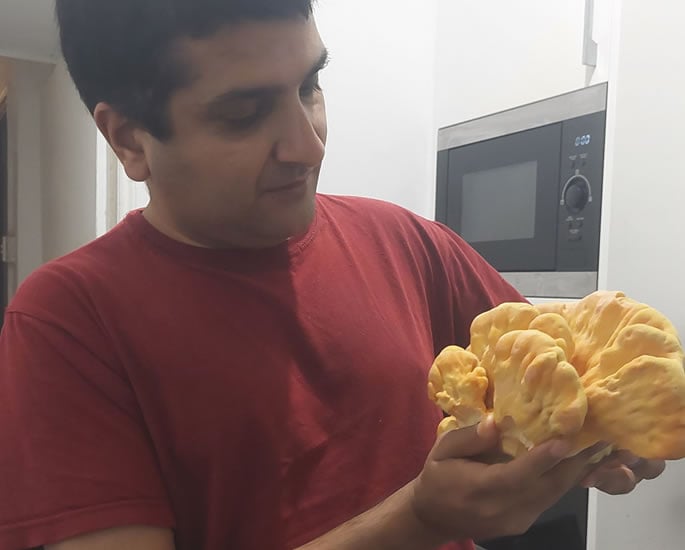
In West London, he and his wife forage for nettles, yarrow, dandelion and blackberries but one find stood out.
“Here in the UK, my wife and I forage nettles, yarrow, dandelion, blackberries, and once found a large chicken of the woods mushroom that felt like buried treasure.”
On preparing Sisno, he says: “Cooking Sisno together became more than a meal. It was grounding. It connected us to the land rather than the algorithm.
“Nettles are rich in iron and minerals, which support energy. But more importantly, preparing them requires attention. You slow down. You respect the process.
“That’s the opposite of scroll culture.”
As a digital specialist, he does not reject technology. He studies its systems closely. But recalibration requires stepping outside them.
On whether foraging can calm an overstimulated mind better than another digital detox app, he says:
“For me, yes. Digital detox apps still operate within the same ecosystem that created the overstimulation.”
Foraging demands presence and observation.
“Foraging demands presence. You have to observe texture, season, and environment. There’s risk. There’s learning. There’s a reward.
“It doesn’t reject modern life. As a digital specialist, I study these systems closely. But stepping into green spaces rebalances sensory input.”
The philosophy is straightforward, as Sharma adds:
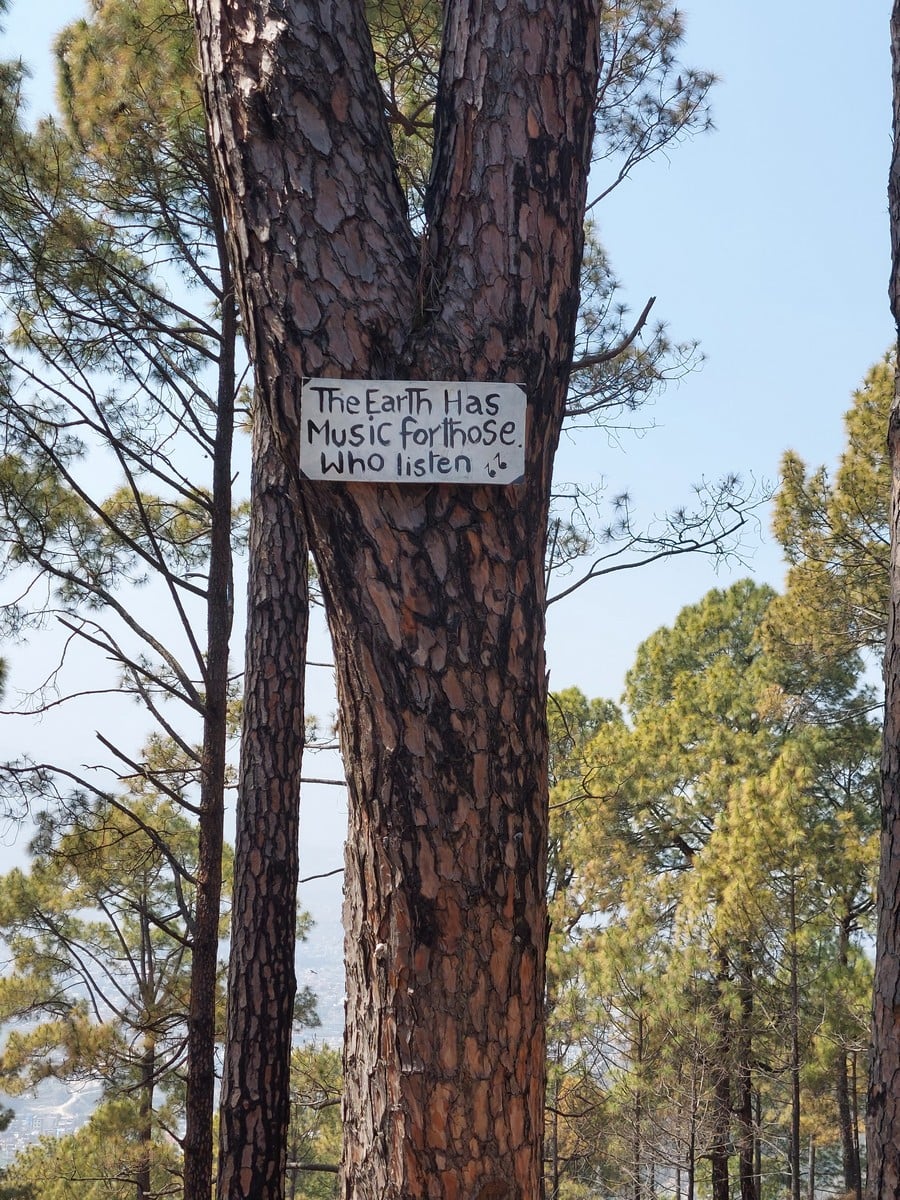
“Nature doesn’t notify you. It waits.”
Saurav Sharma’s work points to a simple but powerful idea: presence cannot be outsourced to screens or notifications.
By consciously choosing where to place attention, migrants can reclaim hours lost to invisible obligations and reactive scrolling.
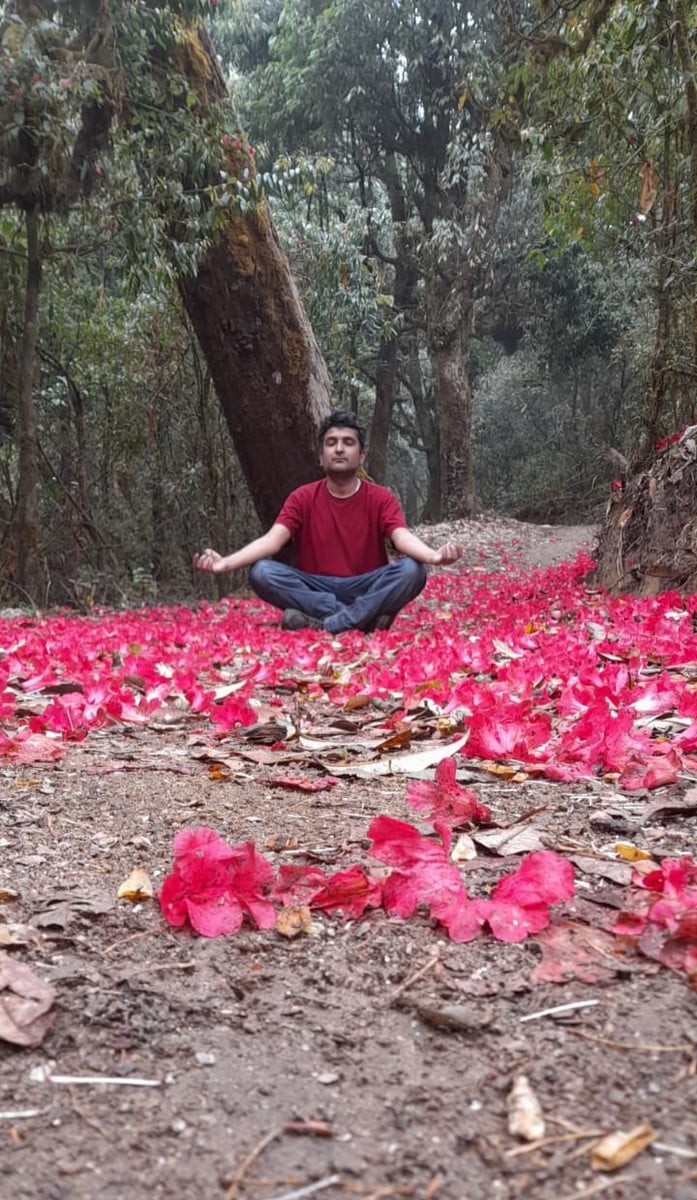
Reconnecting with the land, whether through foraging in West London parks or preparing traditional Sisno, offers more than respite; it restores a sense of being fully located in one place.
In a world dominated by digital noise, these small, intentional acts become a form of resistance and renewal.
For Sharma, and for many immigrants, the solution to digital exhaustion is not escaping modern life, but learning to inhabit it with clarity, focus and grounded presence.