











































Commercial deals also depend on European participation.
Manchester United are determined to recover after a disastrous 2024-25 season, when the club finished 15th in the Premier League and missed European football.
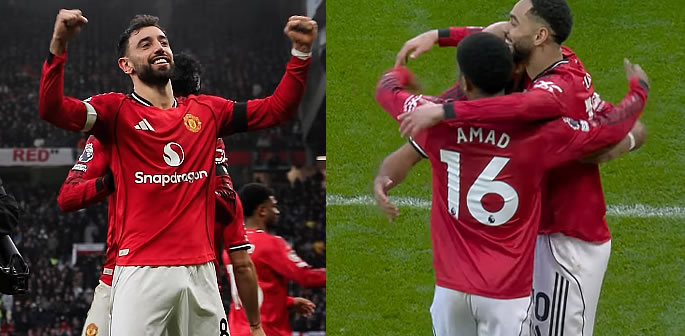
Interim manager Michael Carrick has stabilised performances, taking the team to third place and reviving hopes of a Champions League return.
Off the field, cost-cutting measures and redundancies have turned losses of £113.2 million into a £13 million profit, giving the club breathing room after years of overspending.
European qualification will secure revenue, strengthen commercial partnerships, and support potential stadium developments.
We look at the importance of Champions League football for Manchester United.
Financial Stakes
European football directly affects revenue. United’s first quarter revenue for 2025-26 was forecast at £640m-£660m.
A Europa League campaign could have added £10m-£35m, depending on results, while Champions League participation guarantees at least £50m and could exceed £100m.
Officials project that reaching Europe consistently could push total revenues past £800m by 2028, providing a solid foundation for growth.
Commercial deals also depend on European participation.
Under United’s Adidas shirt sponsorship, missing the Champions League costs £10m per season.
The club has never spent three consecutive seasons outside the tournament since it was launched in 1992.
Revenue from European competitions funds squad improvements, merchandise, and broadcast rights.
United’s operating profit for the six months to December 31, 2025, is £32.6m, a sharp contrast to the £3.9m loss for the same period 12 months ago.
However, the club’s debt remains significant, approaching £1.3 billion, including outstanding transfer payments.
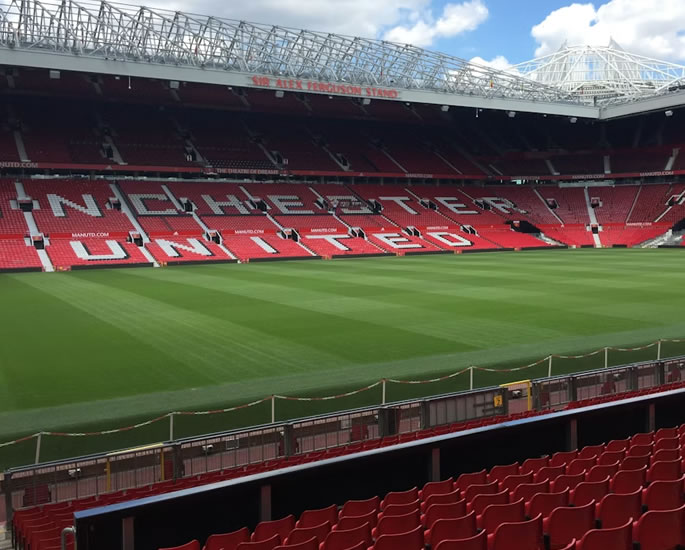
Stabilising finances is essential before committing to major investments such as stadium upgrades.
Indicative pricing for a potential new stadium illustrates the stakes: lower-tier season tickets could cost £4,830, rising to £424,800 for a 16-seat private box.
European football makes premium seating more commercially viable and increases the club’s appeal to investors and sponsors.
From Crisis to Momentum
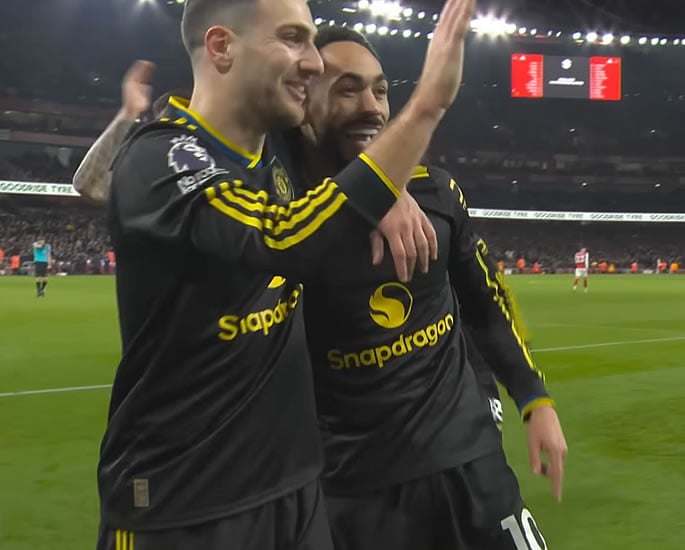
Manchester United’s league revival has been rapid but carefully managed. Early in the season, their chances of finishing in the top five were minimal.
On October 4, before a 2-0 win over Sunderland, Opta rated top-four odds at 3.1% and top-five at 5.8%.
After Ruben Amorim’s sacking on January 5, five wins in Carrick’s first six games raised those figures to 44.2% for top four and 72.0% for top five.
Carrick has combined defensive organisation with fluid attacking play.
The team has been more clinical in front of goal and resilient defensively, with the Everton win showing a pragmatic, results-focused style.
Sky Sports pundit Jamie Carragher said:
“Manchester United are now virtually guaranteed for one of the Champions League places. I can’t see them not making it.”
Although Carrick suffered his first loss as Manchester United boss, the club are third as a result of a higher goal difference than Aston Villa.
United are three points ahead of Chelsea and Liverpool, with no European distractions.
Carrick’s form strengthens his case for the permanent managerial role, particularly as Thomas Tuchel and Carlo Ancelotti are committed to England and Brazil.
The Premier League race also favours United.
Other English clubs dominate the extra Champions League slots, while Portuguese, German, Italian, and Spanish teams are trailing, making fifth place likely sufficient.
This allows United to concentrate on domestic form and squad management.
Wider Implications
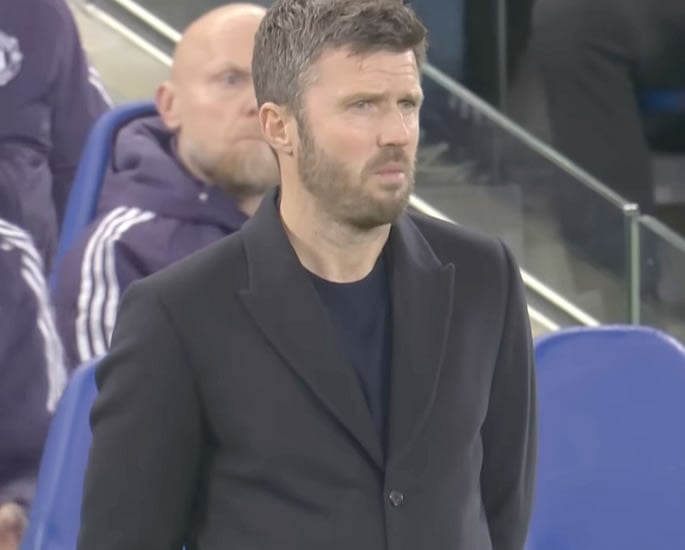
Champions League qualification affects transfers, commercial appeal, and long-term planning. It reassures sponsors and investors that United can compete at the highest level.
Success also supports stadium development, where revenue depends on premium seating.
Carrick remains cautious.
His experience at Middlesbrough, where an early winning streak was followed by a slump, emphasises the importance of consistency.
A poor run would reignite the conversation surrounding Manchester United’s issues post-Ferguson.
Securing Champions League football is now essential for both financial and sporting objectives.
Manchester United’s recovery demonstrates the link between performance, revenue, and long-term planning.
Champions League football secures revenue, strengthens sponsorship and investor confidence, and improves the club’s appeal to top players and managers.
With Carrick currently in charge and results being much more positive, a Champions League return seems more likely for United, benefiting them on and off the pitch.