

















































“Cancer risk isn’t about one single thing."
A GP has revealed how people can “cancer-proof” their homes by cutting down everyday exposure to substances linked to long-term harm.
Doctors say no home can ever be completely risk-free, but reducing daily contact with toxins may help lower cumulative danger over time.
Experts stress the message is not about fear, but awareness, particularly as people spend more time indoors than ever before.
Dr Asiya Maula, a GP at The Health Suite, said much of the risk comes from things people assume are harmless.
She said: “Cancer risk isn’t about one single thing. It’s about what the body is dealing with every day, for years or even decades.”
Dr Maula shared five practical ways people can reduce their long-term risk at home.
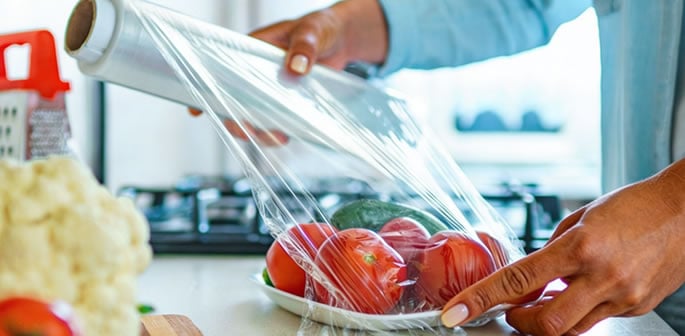
Plastic food containers, bottles and cling film can release chemicals, particularly when heated or worn.
“Some plastics contain chemicals that can interfere with hormone signalling,” Dr Maula said, explaining that hormones play a key role in how cells grow and divide, so repeated disruption over time may increase cancer risk.
She advises switching to glass or stainless steel and never microwaving food in plastic.
Indoor air can often be more polluted than outdoor air due to cooking fumes, candles, sprays and poor ventilation.
Dr Maula said: “Long-term exposure to indoor air pollutants may contribute to inflammation in the body.
She added that opening windows daily and using extractor fans can make a real difference.
Many household cleaners contain harsh chemicals designed to kill bacteria and break down grease.
Dr Maula explained: “These products exist to destroy biological material.
“Repeated exposure in enclosed spaces may irritate the body over time.”
She recommended milder, fragrance-free products where possible.
Pesticides aren’t just used on farms; they are also found in homes and gardens, often in sprays and treatments.
Dr Maula said: “They’re designed to kill living organisms.
“The concern is what low-level exposure might be doing to human cells, particularly for children.”
She stated that washing fruit and vegetables thoroughly and limiting chemical pest control indoors can help.
What people store and cook at home also matters, with ultra-processed foods linked to obesity, insulin resistance and chronic inflammation – all established cancer risk factors.
Dr Maula stressed the aim isn’t perfection:
“It’s about reducing the overall toxic load.
“Small changes, done consistently, can add up over time and making your home a lower-exposure environment is one practical way to protect long-term health.”