

















































“A retro game is a teleport to past selves"
Retro gaming is no longer a niche hobby. It is a fast-growing segment of the global games industry.
In 2025, over 30% more retro consoles were sold compared to 2024, reflecting a sustained shift in how players engage with games from the past.
Remakes, remasters, and retro-inspired titles now sit at the centre of release schedules.
Publishers are revisiting established franchises while indie developers are deliberately designing games that look and feel decades old.
Even marketing campaigns lean heavily on familiar characters and legacy branding.
At its current pace, the retro gaming market is expected to double within the next eight years. The growth is measurable.
Research from Newcastle University Business School suggests nostalgia sits at the core of this expansion. Understanding that psychology explains why retro gaming continues to gain momentum.
What is Retro Gaming?
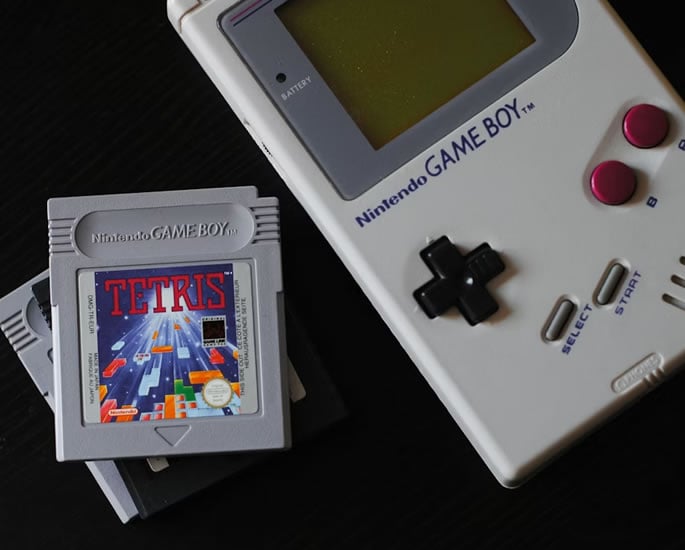
Retro gaming refers to playing, collecting, and engaging with older video games and gaming technologies, alongside modern reinterpretations of those titles.
It can involve original cartridges and early consoles, but it also includes remastered editions built for current hardware.
In practice, it spans both preservation and reinvention.
Crucially, retro gaming is not defined by age alone. It is about recreating a feeling. Developers lean on familiar mechanics, recognisable aesthetics, and classic sound design to trigger that connection.
Some titles are entirely new, yet deliberately designed to feel as though they belong to an earlier era.
Remakes and high-definition remasters are now standard across major franchises.
Super Mario Bros. offers a clear example. The games have been remastered for modern devices and reimagined in later entries, allowing the character to remain consistent while the experience evolves.
The balance between continuity and change keeps the franchise relevant.
Preservation forms another pillar of the retro movement.
Some efforts focus on safeguarding hardware and software in digital libraries or maintaining them in their original physical form, ensuring that time does not erode gaming history.
Others prioritise modernisation through emulation, restoration, and compatibility updates, keeping classic titles playable without stripping away their identity.
Together, these practices extend replayability and open classic experiences to new audiences. Younger players gain access to games that shaped earlier generations, while older players revisit formative moments.
That cross-generational appeal strengthens the market’s resilience.
However, preservation strategies and design choices alone do not explain the scale of retro gaming’s growth.
The deeper force lies in how players feel when they return to these worlds, and why those emotions continue to resonate.
Nostalgia is the Emotional Engine
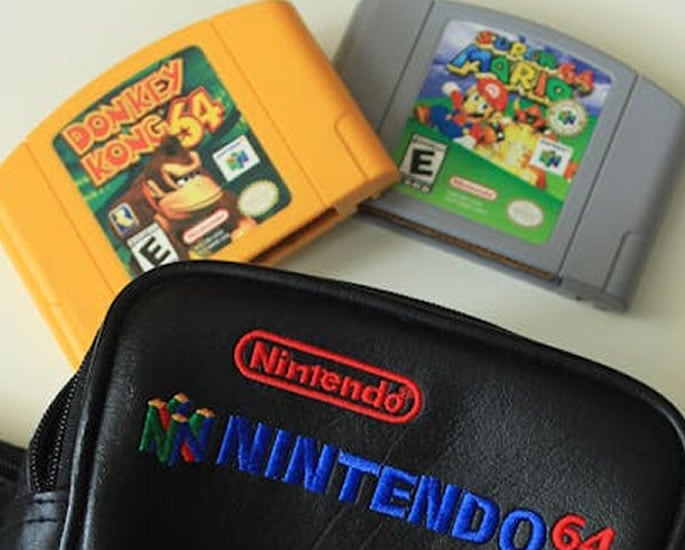
Newcastle University’s findings place nostalgia firmly at the centre of the retro gaming experience.
The research shows that nostalgic emotion, when combined with enjoyment, plays a decisive role in shaping positive engagement.
It influences how players interact with games, whether through active participation such as playing, purchasing, and joining communities, or through passive behaviours like watching gameplay, revisiting memories, and following retro-focused content online.
Nostalgia is commonly described as a longing for the past, yet it is rarely a simple emotion.
It carries both comfort and sadness. The memory feels warm and reassuring, but it cannot be recreated in its original form. That tension gives nostalgia its psychological strength.
Professor Savvas Papagiannidis said: “A retro game is a teleport to past selves, people, and environments that bring memories of childhood, adolescence, or social experiences.”
His description captures why retro gaming resonates so deeply. Players are not merely replaying levels or revisiting mechanics. They are reconnecting with earlier versions of themselves and the environments that shaped them.
The study argues that nostalgia functions as a psychological tool capable of restoring three key resources: social, self-oriented, and existential.
Social resources relate to connection and belonging, including support networks and shared experiences.
Retro games often evoke memories of childhood friendships, local multiplayer sessions, or early online communities where bonds were formed.
Self-oriented resources concern self-esteem and motivation. Completing a familiar level or mastering known mechanics reinforces competence. It recalls a period when progress felt clearer and achievement more immediate.
Existential resources help individuals make sense of identity and life purpose.
Revisiting familiar worlds reconnects players with earlier ambitions and values, reinforcing continuity between their past and present selves. It offers reassurance that core aspects of their personality have endured over time.
When these resources feel diminished in the present, nostalgia can act as a buffer.
Retro gaming provides temporary restoration, offering emotional stability through familiarity and reaffirming a sense of completeness that may feel absent in everyday life.
Why Some Gamers Feel It More Than Others

Not every player experiences nostalgia in the same way. The research shows that individual differences shape how strongly retro games evoke emotion and when that response is triggered.
Certain conditions make nostalgic engagement more likely. One is the need to detach from reality. Players who feel unfulfilled or who seek achievement may turn to retro games because they offer structured challenge and clear progression.
Social uncertainty is another trigger. During unstable periods, familiar experiences provide comfort by returning players to worlds that feel simpler and more controlled.
Existential concerns also influence engagement. When individuals feel bored or uncertain about their identity, revisiting older games can reconnect past and present selves.
Retro games also restore a sense of control. Mastering familiar mechanics creates measurable progress. That structure can counter feelings of stagnation in everyday life.
For developers, these insights matter.
Surface-level nostalgia is not enough. Pixel filters and retro soundtracks may attract attention, but they cannot sustain engagement alone. Emotional anchors must be integrated into meaningful gameplay experiences.
Balancing preservation and innovation is essential.
Core mechanics, visual identity, and narrative tone should remain recognisable, while accessibility features and technical improvements widen appeal without weakening authenticity.
Continuity across franchises strengthens long-term engagement. Maintaining symbolic links between entries allows players to follow evolving narratives while retaining a sense of legacy.
Community participation further deepens investment. Retro gaming thrives in ecosystems shaped by mods, fan art, shared memories, and discussion.
Supporting these communities extends the lifecycle of titles beyond individual play sessions.
Retro gaming is not rising by accident. A 30% increase in console sales within a single year signals clear momentum.
Yet the real engine behind that growth is not hardware. It is psychology. Nostalgia restores connection, reinforces identity, and offers stability during uncertainty.
For developers and publishers, the implication is direct.
Retro success cannot rely on visual callbacks alone. It demands a deeper understanding of why players return to familiar worlds and what emotional needs those worlds fulfil.
Retro gaming endures because it does more than revive old titles. It bridges time. It connects present players with past selves in ways that feel meaningful and immediate.
Backed by research and reflected in market behaviour, the retro resurgence is not slowing down. It is evolving with purpose.