











































A cosmetics shop in Peckham was fined more than £30,000.
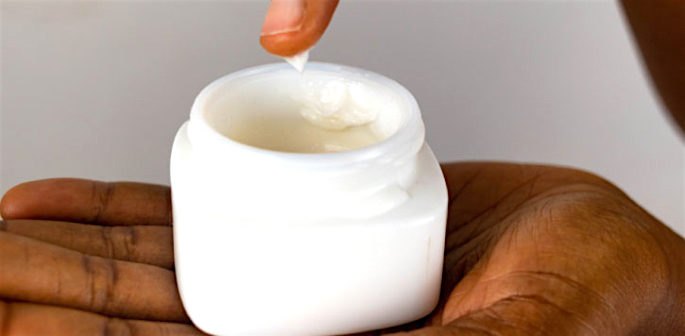
Illegal skin-lightening products are being sold across the UK in everyday neighbourhood shops, prompting a fresh warning from the Chartered Trading Standards Institute.
The consumer watchdog says dangerous creams have been found not only online but also in butchers, specialist food stores and small grocery shops serving local communities.
Officials warn the products pose serious health risks and are often marketed informally, making them harder for regulators and consumers to identify.
Trading Standards teams are now urging the public to avoid purchasing such items and report retailers continuing to sell them.
According to the CTSI, many seized creams contain banned substances including hydroquinone, mercury and powerful corticosteroids, all prohibited in UK cosmetic products sold without prescription.
These ingredients can cause severe skin damage, burns and infections, while long-term use may increase risks of cancer and organ damage.
Authorities also warn that exposure during pregnancy can lead to serious complications for both parent and child.
Because of these dangers, selling such products breaches UK consumer safety laws and may result in prosecution.
Enforcement action has already revealed the scale of the problem across several boroughs.
In one case, Havering Council trading standards officers seized around 1,400 illegal skin-lightening items worth approximately £21,000 during a raid in Romford.
Meanwhile, in Southwark, 62 businesses or individuals have been prosecuted for selling unlawful products since 2002.
A cosmetics shop in Peckham was recently fined more than £30,000, with further cases currently progressing through the courts.
Tendy Lindsay, CTSI member and former chair, described illegal skin lightening products as both dangerous and unlawful, stressing that consumer safety remains the regulator’s primary concern.
She explained that demand is often linked to complex social pressures, including colourism and beauty standards that favour lighter skin tones.
According to Lindsay, racism and colourism can leave individuals vulnerable to exploitation by traders seeking profit.
The watchdog says these social dynamics mean Black, Asian and minority ethnic communities are disproportionately affected.
Recent case studies highlighted the human cost behind the statistics.
One young man unknowingly used an unlabelled cream containing hydroquinone to fade acne marks and later found himself bleaching his entire body daily.
Another user said childhood experiences of racism and colourism influenced their decision to try skin-lightening products.
Campaigners warn such stories show how misinformation and stigma can combine with unsafe products to create lasting harm.
The CTSI is particularly concerned that these creams are appearing in familiar community spaces rather than regulated beauty retailers.
Officials say selling cosmetics in food outlets and butchers increases the risk that customers assume products are safe or properly approved.
Consumers are advised never to use skin-lightening products on children and to avoid buying cosmetics from unverified sellers or social media accounts.
Experts also recommend consulting a GP or dermatologist before using any treatment designed to alter skin tone.
Retailers are being reminded to check supply chains carefully and seek advice from local Trading Standards officers if unsure about product legality.
The CTSI emphasised that ignorance of the law will not protect businesses caught selling banned items.
Penalties can include product seizures, heavy fines and potential imprisonment depending on the severity of the offence.
With investigations ongoing nationwide, authorities say enforcement activity will continue as they work to remove illegal products from UK communities.