


















































"This is not the case with the Asian population."
Ever noticed how many Europeans can enjoy a glass of wine or a beer regularly, yet seem to handle their drink better than Indians?
It turns out, this isn’t just lifestyle luck. Genetics, diet, and daily habits all play a role and the results might surprise you.
Dr Harsh Vyas, a consultant radiologist, highlighted this issue with a striking comparison: liver scans of a 37-year-old Italian who drank 2-3 times a week and an Indian of the same age who abstained entirely.
The Italian’s liver looked healthier.
He said: “Many people have asked me, why does it happen that Europeans drink so much alcohol, but still, they don’t have a fatty liver, and we don’t drink alcohol, but still, there are so many fatty livers in the Indian population.
“There are a lot of reasons.”
So, what explains this apparent superpower?
Genes and How We Process Alcohol
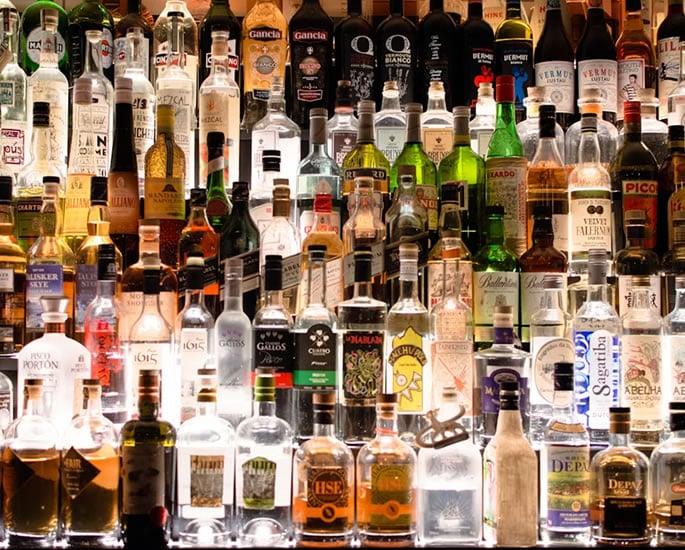
One major factor is how the body metabolises alcohol. Enzymes called alcohol dehydrogenase (ADH) and aldehyde dehydrogenase (ALDH) break alcohol down.
Some populations have variants that make this process faster and more efficient. Others do not.
Dr Vyas explained: “Among Europeans, alcohol dehydrogenase and aldehyde dehydrogenase enzyme activity is excellent.
“This is not the case with the Asian population.
“It means that the intermediate toxic metabolites of alcohol get thoroughly washed out in European populations. But in our body, these toxic metabolites stay for a long time and wash out gradually.”
This explains why Europeans often tolerate alcohol better.
In contrast, many South Asians metabolise alcohol more slowly, which can increase liver stress even with moderate drinking.
It’s worth noting that genetics vary widely within South Asia.
ALDH2 deficiency, which slows alcohol metabolism, is less common in India than in East Asia. This means that while genetics matter, lifestyle and diet remain crucial for liver health.
Diet
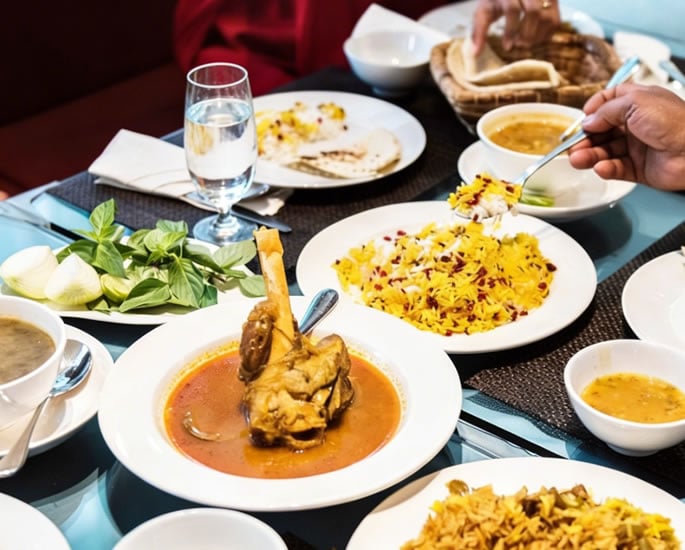
Lifestyle differences go beyond genetics, as Dr Vyas highlighted diet as a key factor.
Europeans tend to consume diets rich in complex carbs, lean protein, fish, and healthy fats like olive oil.
On the other hand, typical Indian diets rely heavily on refined carbohydrates, have less protein, and fewer healthy fats.
Dr Vyas explained: “Their diet is complex carbohydrates, healthy fats in the form of fish and seafood, and olive oil. The diet has a lot of healthy fat and high protein.
“If we look at our Indian diet, we are mostly dependent on refined carbohydrates, and our diet has a low amount of healthy fats and protein.”
This dietary pattern influences liver health directly. Foods high in fibre, omega-3s, and plant-based nutrients protect the liver, while refined carbs and saturated fats contribute to fat accumulation.
Moving Your Body

Exercise is another crucial element. Regular activity helps the liver metabolise toxins efficiently and reduces fat accumulation.
Europeans often include walking, cycling, or sports as part of their routine.
On Indians, Dr Vyas noted:
“The majority of our population doesn’t exercise regularly, and we can’t even complete a 5 km distance every day.”
Sedentary lifestyles combined with high-calorie, low-nutrient diets increase the risk of non-alcoholic fatty liver disease (NAFLD).
In India, NAFLD now affects roughly one-third of adults, driven by obesity, diabetes, and metabolic stress.
European populations may drink more but they often maintain liver-protective diets and stay active.
What Really Matters

It may feel counterintuitive, but higher alcohol consumption does not automatically equal worse liver outcomes.
European drinking patterns are often balanced with protective diet and lifestyle habits.
In India, even low alcohol consumption combined with a poor diet and inactivity can lead to a fatty liver.
Dr Vyas emphasises that alcohol tolerance is not a measure of health:
“Though alcohol tolerance shouldn’t be the parameter for improving your health, it can be a sign to stop complaining and start understanding your body’s needs.”
Understanding the underlying factors – diet, exercise, metabolic health – is far more important than comparing who can drink more.
What You Can Do
For Indians concerned about liver health, the takeaways are simple and practical:
- Focus on diet – Prioritise whole grains, lean protein, vegetables, and healthy fats. Reduce refined carbs and processed foods.
- Stay active – Even daily walking or light exercise can significantly reduce liver fat and improve metabolism.
- Regular checks – NAFLD can be silent. Monitoring waist size, blood sugar, lipids, and liver enzymes helps catch problems early.
- Drink wisely – Genetics may shape how alcohol affects your body, but lifestyle choices have a bigger long-term impact.
Europeans may seem to have a natural advantage, but liver health is not about alcohol tolerance. It’s about the combination of diet, activity, and early screening.
These habits are something anyone can adopt, regardless of how much you drink.
Europeans’ apparent alcohol tolerance is real but misleading. Genetics give some populations an edge, but diet and exercise drive long-term liver health.
India faces rising fatty liver rates, largely from sedentary lifestyles and poor diets.
Dr Harsh Vyas’ research highlights this.
The takeaway is not to drink more, but to eat smarter, move more, and monitor your health.
Alcohol tolerance may be interesting to notice, but the liver rewards consistent lifestyle choices over risky drinking habits.