

















































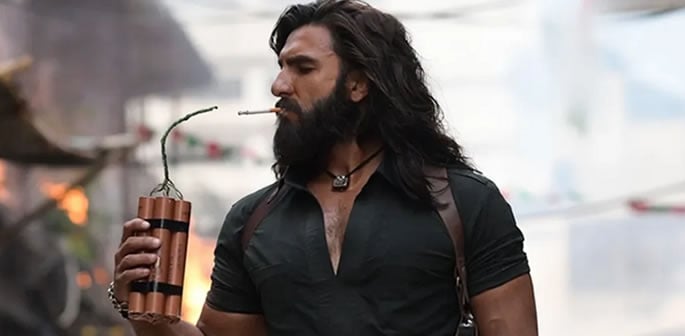
The protagonist responds to threats with calculated force
Dhurandhar‘s release in late 2025 reignited the debate about Bollywood’s political direction.
It became one of the most successful Hindi films in history and it showed that stories built on national identity and heroism sell.
This is reinforced by Dhurandhar: The Revenge, which has grossed over Rs. 835 Crore in less than a week.
The franchise combines espionage fiction with references to real events, presenting a world where national security is personal, immediate, and often violent.
Its characters operate within a clear moral framework that leaves little space for ambiguity. That clarity, combined with scale and spectacle, has helped the films connect with wide audiences.
The response to both films reflects how strongly hypermasculine portrayals of nationalism continue to resonate in India’s box office landscape.
A Hero defined by Control, Force and Certainty
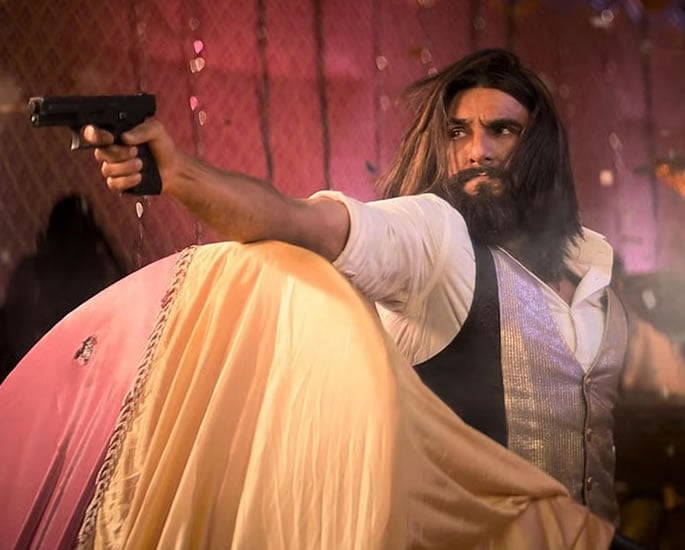
Directed by Aditya Dhar, Dhurandhar centres on an intelligence operative played by Ranveer Singh. His role involves infiltrating hostile networks and dismantling a Pakistani terror operation targeting India.
The narrative draws on recognisable real-world incidents, including the 2001 Parliament attack and the 2008 Mumbai attacks, while incorporating archival material to reinforce authenticity.
Central character, Hamza Ali Mazari, is built around composure under pressure. He rarely hesitates and consistently asserts control over unfolding situations. Physical presence and tactical decision-making define his authority on screen.
Emotional restraint is not portrayed as vulnerability, but as a sign of discipline and strength.
Action sequences reinforce this construction. The protagonist responds to threats with calculated force rather than reactionary panic.
Scenes are staged to highlight dominance, positioning him as the stabilising force within chaotic environments.
The storytelling keeps returning to his ability to impose order through action.
This emphasis on a singular, highly capable male figure reflects a familiar pattern in mainstream Hindi cinema.
Power is expressed through individual agency, and masculinity becomes closely tied to national protection.
In Dhurandhar, the state’s strength is filtered through one character’s physical and strategic capabilities, reinforcing that connection.
Real Events Shaped into a Clear Narrative
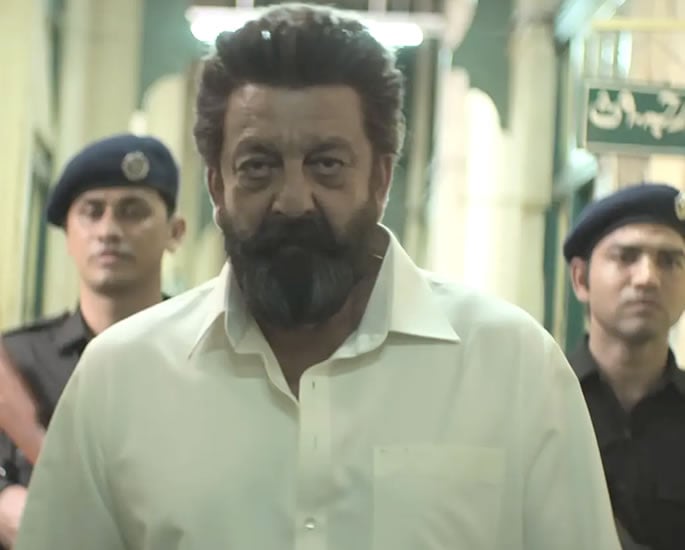
Dhurandhar claimed to be “inspired by true events” while dramatising intelligence operations and terrorist plots behind real-life attacks.
Critics said the film selectively deploys real tragedies to build a politically-charged story about national security and revenge.
A key sequence recreates the 1999 hijacking of an Indian passenger aircraft.
In the scene, Ajay Sanyal, played by R Madhavan and widely seen as inspired by Ajit Doval, instructs hostages to raise nationalist slogans. The passengers hesitate. A militant responds with the line: “Hindus are a cowardly nation”.
The moment establishes a recurring dynamic across the film.
Militants are framed as aggressive and uncompromising, while Indian characters are portrayed as resilient but constrained by circumstance.
This contrast shapes the emotional rhythm of the narrative and guides audience interpretation of conflict.
Other scenes introduce details that critics argue carry broader implications.
One sequence traces counterfeit currency linked to terrorism through networks that include butcher shops. Observers have noted that India’s meat trade is largely associated with Muslim communities.
Within the film’s context, such elements contribute to a layered narrative where identity and suspicion intersect.
Political commentator Dhruv Rathee describes the film as “well-made propaganda”, comparing it to the “Nazi propaganda films during Hitler’s time” and arguing that it’s “more dangerous” because the audience is likely to ignore the actual facts when they are packaged as gripping entertainment.
Film critic Anupama Chopra describes it as “an exhausting, relentless and frenzied espionage thriller” driven by “too much testosterone, shrill nationalism and inflammatory anti-Pakistan narratives”.
These responses point to how Dhurandhar functions beyond standard entertainment.
Its narrative choices shape interpretation while delivering spectacle, leaving a lasting impression on how events and identities are perceived.
Commercial Success and Repeatable Formulas
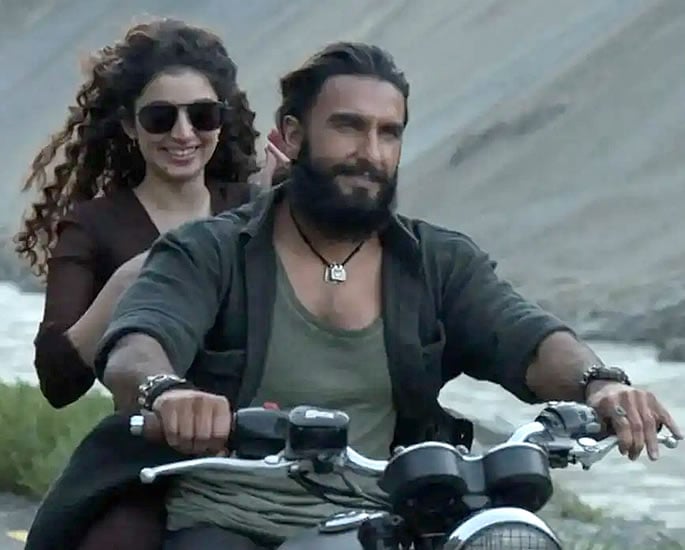
The performance of Dhurandhar aligns with a wider trend in recent Hindi cinema, where films centred on nationalism, conflict, and historical interpretation continue to perform strongly at the box office.
Titles such as Uri: The Surgical Strike, The Kashmir Files, and The Kerala Story have each generated significant commercial returns alongside public debate.
The intersection between cinema and politics has become more visible in recent years.
Narendra Modi attended a special screening of The Sabarmati Report with senior ministers, while BJP-ruled states granted the film tax exemptions.
These moments contribute to a wider environment where films and political narratives often overlap.
The BJP frequently features in discussions around this trend. Supporters see such films as reflective of national sentiment, while critics argue they reinforce a specific ideological perspective through mass entertainment.
Director Aditya Dhar has been closely associated with this style since Uri: The Surgical Strike.
That film’s success extended beyond the box office, influencing political rhetoric and public discourse. Its dialogue, including “How’s the josh?”, became widely recognised and was used in campaign settings.
Film scholar Ira Bhaskar has suggested that large-scale Hindi films are increasingly aligning with narratives that serve broader messaging rather than purely entertainment-driven goals.
The popularity of Dhurandhar and its sequel indicates that this approach continues to shape mainstream production decisions.
The reaction to criticism further underscores how contested these films have become.
Members of the Film Critics Guild of India condemned “targeted attacks, harassment and hate” directed at reviewers.
The intensity of public response highlights how strongly audiences engage with these narratives, both in agreement and opposition.
Dhurandhar and its sequel reflect a clear pattern in contemporary Bollywood, where narratives built around strength, national identity, and decisive male heroism continue to perform strongly.
The films combine real-world references with stylised storytelling to create a familiar but powerful formula that resonates with large audiences.
Their success suggests that hypermasculine nationalism remains deeply embedded in mainstream cinematic appeal.
It shapes not only how stories are told, but also how they are received and discussed.
As long as this combination continues to generate box office returns and cultural attention, it is likely to remain a defining feature of big-budget Hindi cinema.