

















































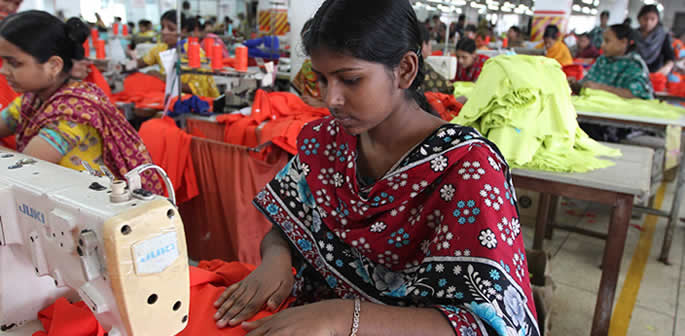
Workers frequently face hazardous dust exposure.
A new investigation has raised serious questions about whether fashion’s sustainability promises are coming at the expense of South Asian workers behind the global recycling boom.
The report, published by Arisa on January 31, 2026, argues that textile recycling schemes linked to major brands carry significant labour rights risks across South Asia.
Titled Blind Spots in Textile Recycling, the study claims circular fashion initiatives often highlight environmental progress while overlooking working conditions in recycling facilities handling discarded clothing.
Researchers identified key recycling hubs in Panipat, Tirupur, Faisalabad and Karachi, where imported textiles are processed into new materials.
According to the findings, workers frequently face hazardous dust exposure, chemical risks, unsafe machinery and long working hours, often without proper contracts or social protection.
The report states that recycling operations in India and Pakistan largely fall outside brands’ formal human rights checks, despite sustainability commitments promoted to global consumers.
Arisa warns that this gap risks turning circular fashion into greenwashing, where environmental branding masks labour exploitation further down opaque recycling supply chains.
Twenty international fashion companies using recycled materials were contacted, yet only seven responded, including BESTSELLER, Fast Retailing, H&M, Inditex, Mango, Next and Nike.
Even among respondents, researchers said companies offered limited detail about conditions inside recycling plants or concrete steps to improve worker protections.
Several familiar UK high street names, including ASOS, Marks & Spencer, Primark and New Look, did not substantively engage with questions on recycling labour risks.
The findings highlight a disconnect between sustainability marketing aimed at eco-conscious shoppers and transparency around where recycled garments are actually processed.
Earlier research in Panipat estimated that between 20,000 and 70,000 workers participate in textile recycling, many operating within informal systems that are difficult to regulate or monitor.
Investigators documented cases of children working in small units, prompting local initiatives aimed at creating child labour-free zones in the region.
The report also traces how clothing donated in Europe travels through collectors and traders before reaching South Asian recycling hubs.
Supply chain analysis by Dutch collector Sympany found that around 87 per cent of certain recyclable textiles from the Netherlands were exported to India for processing.
Researchers say this demonstrates how garments discarded in Western wardrobes can end up in dusty sorting and shredding facilities thousands of miles away.
The study notes brands often rely on certification schemes that fail to capture abuses within subcontracted or informal recycling units.
For British South Asian consumers, the findings create an uncomfortable tension between supporting sustainable fashion and recognising that workers in ancestral homelands may bear hidden environmental and health costs.
Arisa argues that without stronger oversight, circular fashion risks reproducing a colonial pattern where waste from wealthier markets is processed under precarious conditions in the Global South.
Campaigners are now urging brands to include recycling facilities within due diligence systems and disclose where recycled fibres are sourced and processed.
As recycled collections continue to grow across the United Kingdom fashion market, the report asks whether sustainability can truly exist without accountability for the workers behind it.