
















































“Honour-based abuse in all its forms is a serious crime"
The Crown Prosecution Service has published strengthened guidance to help prosecutors tackle honour-based abuse, forced marriage and a widening range of associated harms.
The guidance includes dowry abuse, immigration-related exploitation, transnational marriage abandonment and spiritual or ritualistic abuse linked to beliefs in witchcraft, spirit possession or demonic influence.
Virginity testing and hymenoplasty have also been added to reflect changes in legislation.
The CPS makes clear that these practices are closely linked to honour-based abuse.
Prosecutors are instructed to consider family pressure, cultural expectations and patterns of coercive control when making charging decisions and building cases.
The guidance emphasises the need to construct robust prosecutions even where victims may be too frightened or unsafe to support proceedings.
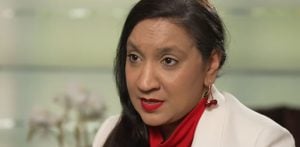
Baljit Ubhey, Director of Policy at the Crown Prosecution Service, said:
“Honour-based abuse in all its forms is a serious crime, and it has no place in our society.
“Victims often endure immense pressure, fear and coercive control from those closest to them, which can make seeking help incredibly difficult.
“Our updated guidance equips prosecutors to identify emerging patterns of abuse, understand the wider context in which it occurs, and take swift, effective action to safeguard victims and bring perpetrators to justice.”
Spiritual or belief-related abuse can affect children, adults and vulnerable adults. It can involve financial exploitation, physical violence, emotional abuse, sexual abuse, neglect and homicide.
Reported cases have included violent exorcisms, beatings, starvation, forced ingestion of harmful substances and the scapegoating of children or vulnerable adults for misfortune, alongside extreme psychological and sexual abuse.
There is no standalone criminal offence covering spiritual-related abuse.
However, the updated guidance instructs prosecutors to treat these cases as serious criminality within the wider context of harmful practices and ‘honour’-based abuse, identifying and applying relevant existing offences on a case-by-case basis.
Immigration-related abuse is also highlighted as a form of domestic abuse and harmful practice. It occurs where perpetrators exploit a person’s immigration status to control and entrap them.
Tactics can include threats of deportation, withholding passports or vital documents, restricting access to support services, financial control and reporting victims to the authorities.
The guidance also addresses transnational marriage abandonment, where a spouse is deliberately taken abroad and left there without resources, preventing their return to the UK.
While immigration-related abuse is not a standalone offence, prosecutors are urged to consider all relevant criminal charges and apply existing domestic abuse and coercive or controlling behaviour guidance.
The revised framework places safeguarding at its centre.
Prosecutors are encouraged to seek early protective measures, including Forced Marriage Protection Orders, and to ensure the careful and appropriate use of interpreters.
The guidance also supports the use of culturally informed expert evidence to explain context and encourages evidence-led prosecutions where victims cannot safely engage.
Close partnership working with specialist organisations is identified as critical.
Selma Taha, Executive Director of Southall Black Sisters, said:
“We welcome the Crown Prosecution Service’s updated guidance on honour-based abuse, forced marriage and harmful practices, aligned with its VAWG Strategy 2025-2030 commitment to delivering high-quality, research-informed casework that builds victim-survivor confidence in the justice system.
“The explicit recognition of dowry-related abuse and immigration-related exploitation is critical.
“These are patterns we see routinely in our frontline work with Black, minoritised and migrant women, yet they are too often overlooked.”
“That is why it matters that this guidance has been shaped through consultation with specialist ‘by and for’ organisations such as ours, grounded in frontline expertise.
“The real test now is action.
“It must deliver measurable improvements in safeguarding for victim-survivors and ensure real accountability for perpetrators, through sustained partnership with specialist services and a whole-system commitment to tackling the root causes of VAWG.”
The changes also form part of the CPS Violence Against Women and Girls Strategy 2025-2030, launched in November 2025, which aims to ensure prosecutors are equipped to respond to evolving forms of abuse and protect those at greatest risk.
Solicitor General Ellie Reeves said: “This government is on a mission to halve violence against women and girls, and I am determined to make our justice system work for all victims.
“That’s why I’m proud to welcome the CPS’s strengthened guidance, which gives prosecutors the tools they need to recognise patterns of abuse and build robust cases to ensure perpetrators are punished and victims are protected from harm.”