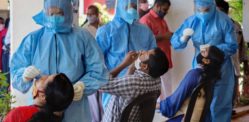


















































"patients with norovirus hit an all-time high"
A surge in norovirus cases across the UK has raised concerns and highlighted the need to take steps to prevent its spread.
According to the NHS, the virus has led to record numbers of hospital admissions in England.
Last week, an average of 1,160 patients were hospitalised with norovirus daily, more than double the number in the same period in 2024.
In Wales, there has been a rise of nearly 50% in confirmed cases of the virus.
Norovirus, also known as the “winter vomiting bug”, is a stomach bug that is easily transmitted and can occur anytime in the year.
Primary symptoms include sudden onset of nausea, projectile vomiting and diarrhoea.
Other possible symptoms include a high temperature, headache, abdominal pain and aching limbs.
The symptoms start suddenly within one to three days of being infected.
Here are practical steps to avoid catching norovirus and spreading it.
Practice Good Hand Hygiene
It is crucial to practise good hand hygiene.
Washing hands thoroughly with soap and water is the best defence against norovirus.
According to the NHS, “alcohol” hand sanitisers are not effective against the virus.
Therefore, always wash your hands after using the toilet and before eating or preparing food.
Disinfect Surfaces Touched Regularly
Disinfect surfaces regularly, as norovirus can survive on surfaces for days.
Clean surfaces, such as door handles, light switches, and kitchen counters, which are regularly touched with bleach-based disinfectants.
Such actions are especially crucial in communal settings like schools and workplaces.
Take Care with Food Handling
Norovirus can spread through contaminated food and water.
Wash fruits and vegetables thoroughly and cook seafood to safe temperatures.
If you are unwell, the NHS stresses you should avoid preparing food for others until at least 48 hours after your symptoms have cleared.
Isolate if you have Symptoms
If you have norovirus symptoms, stay at home to avoid spreading it.
Do not return to work, school, or public places until 48 hours after symptoms have stopped. This is essential, as people can still spread the virus even when they feel better.
Hospitals face added pressure on services due to the surge in cases and people coming to hospital.
National Medical Director of NHS England, Professor Sir Stephen Powis, stated:
“It is concerning to see the number of patients with norovirus hit an all-time high, and there is no let up for hospital staff who are working tirelessly to treat more than a thousand patients each day with the horrible bug, on top of other winter viruses.”
Sir Stephen warned that “hospitals continue to run at near capacity”. Hospitals face additional pressure as almost one in seven beds are being taken up by patients “who don’t need to be in hospital”.
The NHS website asserts:
“If you or your child have norovirus, you can usually treat it at home.”
“You’ll usually start to feel better in 2 to 3 days.
“Diarrhoea and vomiting can usually be treated at home.
“The most important thing is to have lots of fluids to avoid dehydration.”
The NHS also stressed that people should not go to school, nursery, or work until they have “not been sick or had diarrhoea for two days”.
Also, people should not “visit others in hospitals or places like care homes” until vomiting or diarrhoea has not occurred for two days.