

















































"that means it can be built far more quickly."
Manchester United have announced plans for a new 100,000-capacity stadium near Old Trafford, costing £2 billion.
This ambitious project, led by co-owner Sir Jim Ratcliffe, aims to create the “world’s greatest football stadium”.
The proposal raises questions about the timeline, financing, and what happens to the existing stadium.
The club believe the project can be completed in five years, much faster than the usual decade for similar builds.
This speed is possible due to an innovative construction method that utilises the Manchester Ship Canal.
If successful, this project will change the landscape of football stadium development in the UK and set a new benchmark for modern sports venues.
Here is everything you need to know about Manchester United’s proposed new stadium.
A Revolutionary Construction Process

Manchester United plans to build large parts of the stadium off-site before transporting them to Old Trafford via the canal.
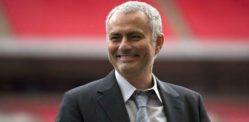
Sir Jim Ratcliffe said: “It will be a modular build – that means it can be built far more quickly.”
Architect Lord Norman Foster confirmed the approach:
“Normally a stadium would take 10 years to build, we halved that time – five years.”
“How do we do that? By pre-fabrication, by using the network of Manchester Ship Canal, bringing it back to a new life, shipping in components, 160 of them, Meccano-like.”
The modular method has been used in large-scale construction projects worldwide.
It allows major components to be built in a controlled environment, reducing on-site disruptions and speeding up the process.
By leveraging this approach, Manchester United believe they can revolutionise stadium construction in Europe.
However, while the plan seems efficient, logistical challenges such as the transportation of materials and on-site assembly will need to be managed carefully.
When will it be Built?

No official start date has been confirmed.
Ratcliffe stated: “On the timeline for this, it starts with a discussion.”
The project depends on government-led regeneration efforts in the Old Trafford area.
United’s chief operating officer, Collette Roche, emphasised collaboration with authorities:
“One of the things we are establishing is a mayoral development corporation, that gives a lot of rights to speed these things through.”
The club hope for quick government action to meet the five-year target.
Manchester United must navigate the complexities of obtaining planning permissions and working with local councils.
Large infrastructure projects of this scale often face delays due to environmental assessments, transport planning, and community consultations.
Additionally, external economic factors such as inflation and supply chain issues could impact the schedule.
Despite these challenges, Ratcliffe remains confident that strong coordination with the government will keep the project on track.
What will happen to Old Trafford?

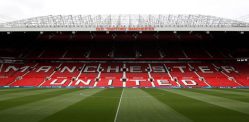
The fate of the iconic Old Trafford remains unclear, but demolition seems likely.
Architects Foster and Partners have suggested its removal, with no sign of the old stadium in new visual plans.
Sir Jim Ratcliffe said: “By building next to the existing site, we will be able to preserve the essence of Old Trafford.”
A previous proposal suggested repurposing the stadium for the club’s women’s and youth teams, but United’s chief executive, Omar Berrada, admitted this plan is “unlikely”.
If Old Trafford is demolished, it would mark the end of an era for one of football’s most historic stadiums.
Built in 1910, Old Trafford has hosted countless memorable matches, including European finals and international fixtures.
Its potential demolition has sparked debate among fans, many of whom feel emotionally attached to the stadium.
The club will need to ensure that any transition to a new ground maintains the traditions and atmosphere that make Old Trafford special.
Manchester United Women

United hope their women’s team will eventually play at the new stadium.
Berrada outlined plans to grow the fanbase to make this viable.
Roche said: “There is technology now that can still give you a sense of a smaller, great atmospheric stadium.
“That could benefit the women’s team with a smaller crowd – and that’s the kind of thing we are looking at.”
Manchester United aims to integrate both teams while maintaining top-quality pitch conditions.
A multi-purpose stadium design could help Manchester United accommodate different events while ensuring the pitch remains in top condition.
Advances in hybrid turf technology and pitch management could allow the stadium to host Premier League, Women’s Super League, and international fixtures without compromising playing quality.
If successful, this approach could set a precedent for other top clubs looking to invest in their women’s teams.
How will it be Funded?

Manchester United estimate the stadium will cost £2 billion but has not confirmed how it will be financed.
Options include loans, private investment, or funds from Ratcliffe.
The club are already over £1 billion in debt, but football finance expert Kieran Maguire noted:
“The good news for Manchester United is that the club is in a position to borrow substantial sums, despite existing levels of debt.”
Ratcliffe assured fans: “The financing is not the issue, I think it’s eminently financeable.”
Building a stadium of this magnitude requires significant financial planning.
Tottenham Hotspur faced similar challenges when constructing their £1 billion stadium, which was funded through loans and commercial deals.
Manchester United may explore partnerships with corporate sponsors or naming rights deals to help finance the project.
However, any funding decisions will need to balance financial sustainability with the club’s long-term ambitions.
Will This Impact Transfers?

Omar Berrada insisted the stadium project will not affect player recruitment.
Roche added: “We don’t want to inhibit our ability to invest in the team, for us to continue being competitive while we are building a new stadium.
“Our number one goal is to get our teams winning and to get the men’s team competing for all the titles consistently. We are not going to deviate from that.”
Manchester United have seen mixed performances in recent transfer windows, with financial constraints limiting their ability to compete with clubs such as Manchester City and Chelsea.
The club must strike a balance between stadium investment and squad development.
Ensuring consistent Champions League qualification and commercial growth will be crucial to maintaining financial flexibility during this period.
Stadium Location and Economic Impact

The new stadium will be built next to Old Trafford and form part of a larger regeneration effort, backed by Chancellor Rachel Reeves.
The project is expected to create 92,000 jobs, attract 1.8 million visitors annually, and add £7.3 billion per year to the UK economy.
United believe the stadium will drive massive economic growth in Manchester.
A successful regeneration project could transform the Old Trafford area into a thriving commercial and residential hub.
Improved transport links, new businesses, and enhanced infrastructure would benefit both the club and local communities.
If executed well, the redevelopment could serve as a blueprint for other major sports-led urban regeneration projects.
Will Manchester United Fill a 100,000-Seater Stadium?

Old Trafford currently holds 74,310 fans, meaning the new stadium must attract 25,000 more spectators.
Maguire said: “Manchester United have a huge global fanbase who are more likely to be willing to pay higher prices.”
The Manchester United Supporters’ Trust (MUST) expressed concerns over ticket pricing, stating:
“If they are able to produce a new stadium as stunning as the plans suggest without harming the atmosphere, without hiking ticket prices and without harming investment elsewhere, then this could be very exciting.”
With a worldwide following of over 1 billion people, Manchester United have one of the most marketable brands in football.
However, sustaining a consistently packed stadium will depend on pricing, matchday experience, and on-field success. Ensuring affordability for local supporters will be a key challenge for the club.
A Visionary Design

Foster and Partners’ design features an umbrella-style roof and a plaza twice the size of Trafalgar Square.
“As you move away from the stadium, it’s not a fortress surrounded by a sea of cars.”
The design includes three towering masts called “the trident” reaching 200 metres and visible from 25 miles away.
Foster added:
“This becomes a global destination.”
The plan also includes a revamped Old Trafford station, and improving public transport links to the venue.
Manchester United’s new stadium is an ambitious project with the potential to transform the club and the surrounding area.
The modular construction approach, use of the Manchester Ship Canal, and cutting-edge design could make it one of the world’s premier sporting venues.
However, concerns remain over ticket pricing, funding, and the future of Old Trafford.
If successfully executed, the new stadium could redefine Manchester United for generations to come.