














































"Your own face is like a taftan."
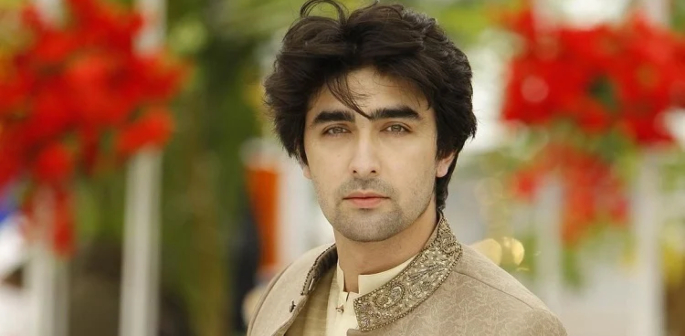
Khaqan Shahnawaz is currently facing significant backlash for making fun of Ali Abdullah’s speech impairment.
The actor eventually issued a formal apology after realising the creator suffers from a genuine medical condition.
This controversy began when Ali Abdullah appeared on the popular television show Piyara Ramzan.
During the broadcast, the content creator made several jokes about another TikTok user, Jawad World, and his food.
“The paratha he’s eating, that day-old taftan that his mother has warmed with water, it’s helping neither his health nor his algorithm.”
Abdullah also made a controversial remark suggesting that Jawad would experience special days, which is a euphemism for periods.
Host Javeria Saud was seen laughing at these comments, which many viewers felt were quite inappropriate for national television.
Khaqan Shahnawaz responded by posting a video where he specifically mocked the way that Abdullah was speaking his words.
“When your own face is like a taftan, it doesn’t suit you to say these things.
“You speak like this, you are in no position to make fun of anybody for how they live life [and] how they look.”
The actor warned his audience that social media is a dangerous tool that can easily get into your head.
“You know, what you are feeling watching [Jawad’s] videos, I feel when I watch your videos… and somebody feels the same watching my videos.”
He also told the young content creator that he should be a little humble so he does not get mocked.
Public backlash was immediate as many people pointed out that Abdullah has a documented and very real speech impediment.
Actress Sabeena Farooq, who starred in Kabli Pulao, mentioned that the comments made by Khaqan were wrong on many levels.
Following the intense criticism, the actor decided to take down his original post.
He stated that he did not know Ali Abdullah suffered from a speech impediment before he made the video.
The star expressed regret for any unintended hurt caused.
However, he still criticised the jokes about menstruation and the financial positions of others.
He maintained that such topics are entirely unsuitable for a family audience watching a program on a national television channel.
This incident has sparked a larger debate regarding the ethics of content creation and the responsibility of public figures.
Many social media users believe that mocking someone for their physical traits is never an acceptable form of online retaliation.
Others argue that the original comments made by Ali Abdullah were equally harmful and lacked any sense of basic empathy.
Many people are now calling for better standards of humour on television, especially during the holy month of Ramazan.