

















































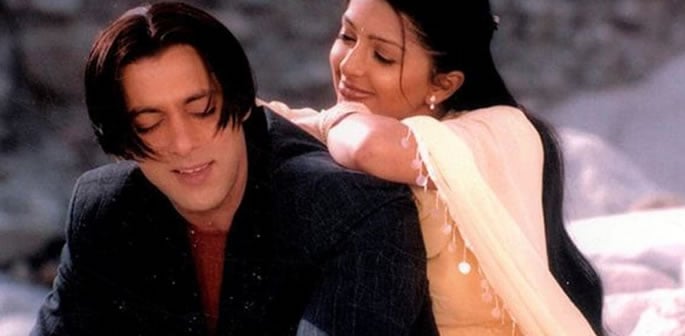
Yet the film presents these actions as forgivable
The 2003 cult classic Tere Naam has been re-released in Indian cinemas; however, its problematic portrayal of love feels deeply out of touch today.
Radhe Mohan’s story is remembered as tragic and romantic, yet stalking, coercion, and violence are presented as acceptable behaviour.
Watching the film today exposes the ideas Hindi cinema has long normalised and highlights the lessons these narratives continue to send about relationships.
When it was first released, Tere Naam became a commercial and cultural phenomenon.
Its music dominated charts, and Himesh Reshammiya’s songs amplified every dramatic moment, from the intensity of Radhe’s pursuit to the emotional highs of the love story.
But with conversations around consent, boundaries and healthy relationships ever-present in 2026, the film’s narrative feels jarring.
Revisiting Tere Naam today forces audiences to question why such behaviour was celebrated and what messages it sends about love and control.
The re-release is an opportunity to examine the cultural impact of a film that continues to influence perceptions of romance, two decades after its original release.
The Toxic Protagonist
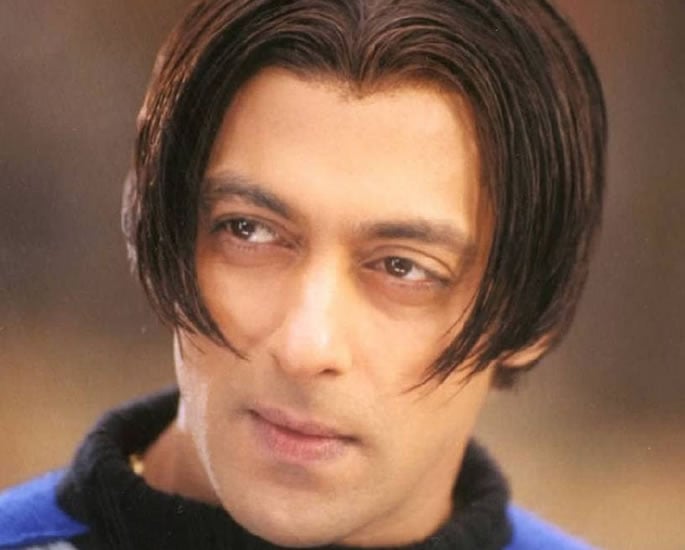
Radhe, played by Salman Khan, is often remembered as a tragic romantic hero, but his behaviour is abusive.
He stalks Nirjara (Bhumika Chawla) and ultimately kidnaps her because she doesn’t reciprocate his feelings.
In any real-life scenario, that would be the end of any connection and likely involve legal intervention.
Yet the film presents these actions as forgivable because Radhe has a “good heart”.
Shockingly, Nirjara apologises to him for misunderstanding him, implying that male violence can be excused if intentions are deemed noble.
Tere Naam includes other sequences that normalise dangerous behaviour.
On a college campus, a candidate wins an election promising that “no action will be taken against boys for winking at girls”.
Radhe, the hyper-masculine “saviour” of the campus, leads a victory song with the lyrics:
“Ishq mein naa ka matlab toh haan hota hai” (In love, ‘no’ actually means ‘yes’).
Consent is ignored, coercion is romanticised, and control is framed as charm.
The soundtrack of Tere Naam, including the title track and ‘Odhni’, amplifies these moments, giving them emotional weight.
Music and visual storytelling turn Radhe’s obsessive actions into dramatic expressions of love, reinforcing the narrative that extreme behaviour can be desirable or justified.
Tragedy as a Shield
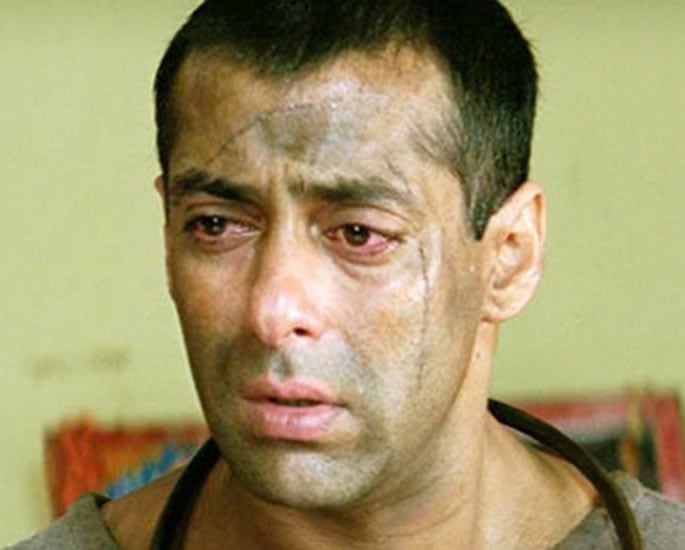
The second half of Tere Naam centres on Radhe’s mental breakdown and eventual downfall.
After a series of personal losses, including family rejection and Nirjara’s distancing, Radhe becomes fragile and unstable.
The narrative evokes sympathy, shifting focus from his earlier abusive behaviour.
By presenting his suffering as a consequence of love, the film encourages audiences to forgive actions that would otherwise feel threatening or unacceptable.
Other Bollywood films, including Kabir Singh, Tere Ishk Mein, and Ek Deewane Ki Deewaniyat, follow a similar pattern, equating emotional volatility with passion.
These narratives suggest that extreme behaviour, possessiveness, and coercion are signs of intense love rather than red flags.
Cultural Impact and Legacy
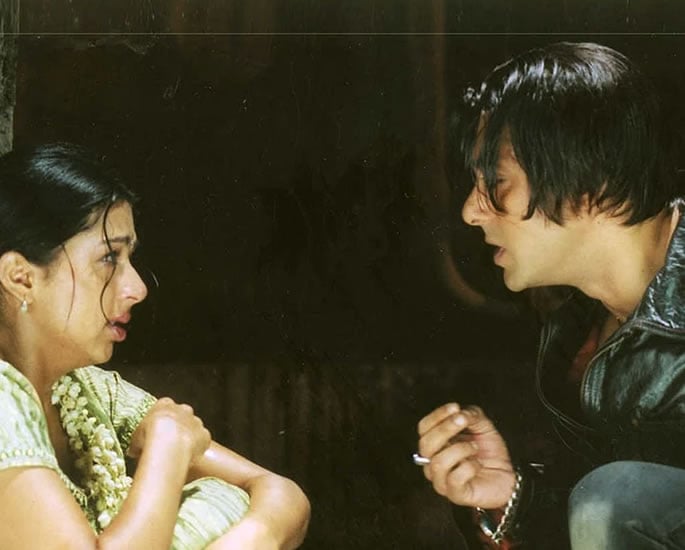
Tere Naam normalised behaviours that should immediately register as red flags. Consent is treated as negotiable, stalking as romance, and possessiveness as proof of sincerity.
The “Radhe Mohan” archetype has influenced generations of filmmakers and continues to shape perceptions of romance in Hindi cinema.
Even in 2026, fan responses on social media demonstrate the lasting impact of the film’s emotional storytelling.
This archetype persists in modern cinema, showing how ideas about extreme behaviour and passion have been recycled.
Films like Kabir Singh and Tere Ishk Mein follow the same pattern, portraying emotional volatility and coercion as signs of intense love.
These narratives continue to affect cultural attitudes toward relationships, particularly among younger viewers.
Re-releasing Tere Naam today is more than a nostalgic gesture. Audiences now have a far clearer understanding of boundaries, mutual respect, and consent.
The film presents stalking, possessiveness, and coercion as markers of sincerity.
Returning it to cinemas risks reinforcing outdated stereotypes and reviving narratives that society has been actively trying to challenge.
Radhe’s story, amplified by music and dramatic scenes, can make dangerous behaviour appear romantic.
The archetype has evolved, but its influence persists, continuing to blur the line between love and control in cinema.
Tere Naam shows that not every love story deserves celebration.
Its re-release reminds audiences that toxic heroes can shape cultural ideas of romance, and that coercion, threats, and emotional manipulation should never be mistaken for passion. Emotional suffering does not excuse abuse.
Hindi cinema has the opportunity to depict relationships built on choice, respect, and emotional maturity.
Revisiting Tere Naam today should provoke reflection, not nostalgia, and demonstrate that true love does not rely on control or coercion.