















































“Better late than never. It should have come before.”
Mouth-watering kebabs, fragrant biryani and delicate cloud-like desserts have always defined Lucknow’s relationship with food.
For generations, locals and visitors have treated the city as one of India’s most serious culinary destinations.
That reputation has now received global recognition.
UNESCO has named Lucknow a Creative City of Gastronomy, placing it among an elite international network.
The designation shines a light on a food culture shaped by history, patience and an unwavering respect for craft.
Royal Kitchens and Culinary Identity
Lucknow is only the second Indian city, after Hyderabad, to receive the Creative City of Gastronomy designation.
It now joins a global network of 408 cities across more than 100 countries promoting creativity as a driver of sustainable urban development.
The recognition “is a testament to its deep-rooted culinary traditions and vibrant food ecosystem”, Tim Curtis, director and representative, UNESCO Regional Office for South Asia, said.
He added: “It honours the city’s rich cultural legacy while opening new avenues for international collaboration.”
For residents, the honour confirms what has long been accepted as fact.
Celebrity chef Ranveer Brar summed up the prevailing sentiment when he said:
“Better late than never. It should have come before.”
Lucknow’s culinary identity was forged under the Nawabs of Awadh during the 18th and 19th centuries. Their royal kitchens became spaces of innovation, blending Persian influences with regional Indian techniques.
This period produced dishes that still define the city’s reputation today.
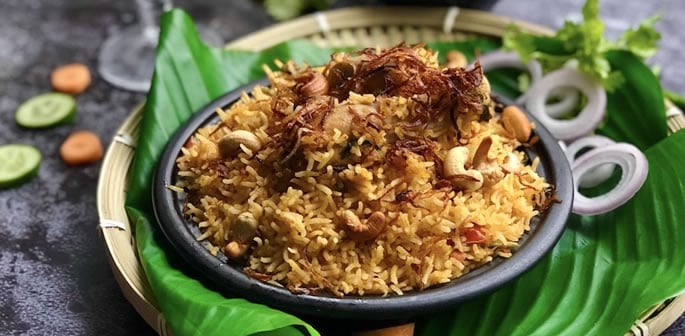
Melt-in-the-mouth galouti kebabs and a distinctive style of biryani emerged from these kitchens.
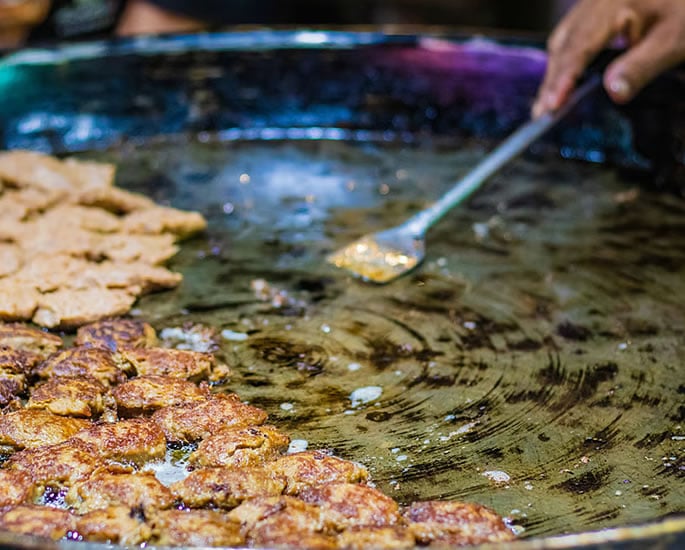
Legend holds that galouti kebabs were created for an ageing nawab who had lost his teeth. Minced mutton was cooked with papaya, saffron and spices until it required no chewing.
But perhaps the most influential legacy was the dum pukht cooking technique, where food is slow-cooked over low heat in sealed pots, allowing flavours to deepen naturally.
The method gained prominence during the reign of Nawab Asaf-ud-Daulah amid widespread famine.
Large cauldrons containing rice, vegetables, meat and spices were sealed to create nourishing meals. The aroma reportedly caught the nawab’s attention, earning dum pukht a permanent place in royal kitchens.
In modern India, the technique was revived and popularised by the late chef Imtiaz Qureshi. Recognised as an Awadhi cuisine maestro, he helped shape iconic restaurants such as Bukhara and Dum Pukht.
Both have featured on Asia’s 50 Best Restaurants list.
Beyond kebabs and biryani, Lucknow’s repertoire includes kormas, sheermal and shahi tukda.
Madhavi Kuckreja, founder of Sanatkada Trust, links this diversity to the city’s unhurried cooking culture.
She said: “’What will be cooked, how will it be cooked?’ is a continued conversation from waking up until going to bed in most homes.
“And you are actually judged by the quality of food that comes out of your kitchen.”
Preserving Tradition
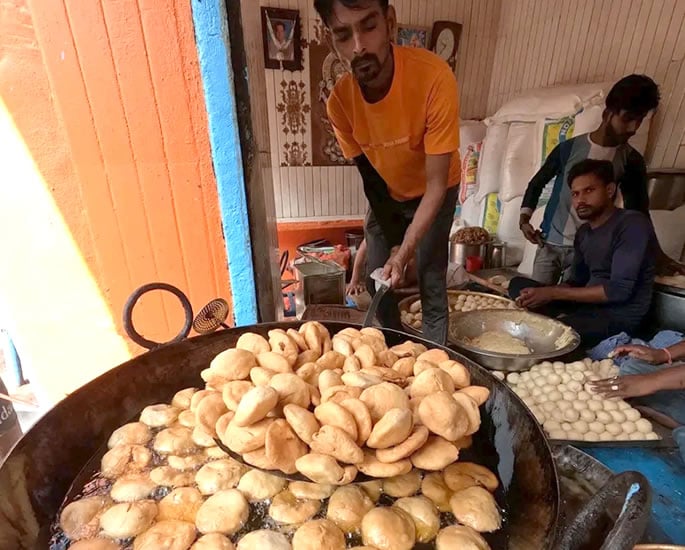
Lucknow’s food culture extends far beyond royal kitchens and meat-centric dishes.
The city is also a vegetarian stronghold, shaped by the Baniya community’s produce-led traditions, which have played a central role in defining its everyday food habits.
This influence is most visible in the city’s carefully curated sweets, desserts and street food, where spicy, tangy chaat remains a staple across neighbourhoods.
At almost every corner, small kiosks and family-run stalls continue to thrive.
Many remain little-known outside Lucknow but are fiercely defended by locals who return to them daily.
In the city centre of Hazratganj, crowds begin gathering from 5 am at Sharmaji Tea Stall for steaming cups of milky masala chai, served in clay cups alongside soft buns generously spread with hand-churned white butter.
Operating since 1949, the stall draws in morning walkers, journalists and political strategists alike.
Despite its shabby appearance, it has evolved into a legacy tourist attraction, symbolising the city’s deep-rooted tea culture.
For breakfast, many head to Netram in the old city area of Aminabad, a no-frills institution founded in 1880 and still celebrated for its kachoris and jalebis.
Nearly 150 years on, the business is run by sixth-generation owners Anmol Agarwal and his sons Anoop and Pranshu, who continue to safeguard the techniques behind every recipe.
An automobile engineer by training, Pranshu remains deeply committed to the family legacy.
Seasonal specialities further define Lucknow’s food landscape.
During winter, street vendors sell makkhan malai, a delicate, cloud-like dessert whose preparation is both scientific and labour-intensive.
Milk is hand-churned, then left outside overnight to absorb moisture from the dew, creating its distinctive frothy texture.
On cold mornings, vendors line streets in areas such as Aminabad and Chowk, though many acknowledge an uncertain future.
Several say their children are reluctant to learn time-consuming culinary crafts that demand patience but offer diminishing returns.
Chef Brar has often argued that Lucknow sits at the very top of India’s street food experience.
However, he believes the true value of UNESCO recognition will emerge only if it brings attention to the city’s lesser-known eateries.
Lucknow’s UNESCO recognition acknowledges a food culture built on patience, precision and memory, validating centuries of culinary evolution shaped by royal kitchens and street-side ingenuity.
The challenge now lies in preserving fragile traditions amid changing aspirations.
If used wisely, global attention could protect both heritage and livelihoods.
For Lucknow, food has always been its language, and the world is finally listening.