













































This represents a sevenfold increase from 2024
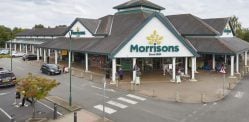
Morrisons is set to launch a new range of ready meals designed for people taking weight-loss injections, as the supermarket looks to capitalise on Britain’s growing obesity drugs boom.
The grocer has partnered with sports supplement maker Applied Nutrition to introduce “weight-loss jab-friendly” high-protein meals, sandwiches, salads, breads and cheeses.
The rollout is scheduled to start in January 2026, with the launch including an “exclusive range of GLP-1 friendly ready meals” such as a new Applied Nutrition cottage pie.
GLP-1 is the technical term for a group of medicines that can lead to weight loss.
Lizzy Massey, from Morrisons, said the new range had been launched because customers were “seeking high-protein, functional foods that fit seamlessly into their everyday lives”.
The launch comes amid a surge in use of the drugs, with recent figures suggesting 2.5 million people in the UK are now on weight-loss injections.
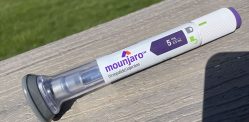
This represents a sevenfold increase from 2024, with growing numbers taking either Mounjaro or Wegovy, made by Eli Lilly and Novo Nordisk, respectively.
Ozempic, a diabetes drug by Novo Nordisk, has also proved popular when used off-label for weight loss.
Most people currently access the injections through private clinics.
However, Health Secretary Wes Streeting has indicated plans to open up access on the NHS, which would significantly increase usage.
Over the next three years, just 220,000 people are expected to receive free injections via the NHS.
Morrisons’ move follows warnings that the rise in weight-loss drug use could impact supermarket sales.
The chain has been under pressure from German discounter Lidl, which is expected to overtake Morrisons as Britain’s fifth-largest supermarket within months.
Latest Worldpanel figures show Morrisons held an 8.3% share of the grocery market, compared with Lidl’s 8.1%.
In response, Morrisons has invested in refurbishing stores and exploring new product lines to boost demand.
Research indicates that people on weight-loss injections consume around 30% fewer calories, while Morgan Stanley found consumption of alcoholic and sugary non-alcoholic drinks fell by 63% and 65%, respectively among users.
The impact of weight-loss drugs on food sales is already being felt in the US, where GLP-1 take-up is higher, with around 12% of adults using the treatments.
Walmart, the country’s largest grocer, reported two years ago that customers were putting fewer items in their baskets, citing the drugs as a factor.
Nestlé warned that weight-loss injections could reduce demand for “confectionery and to some extent ice cream”.
In 2024, it launched protein-enriched pastas and pizzas aimed at people on weight-loss treatments.
The emphasis on protein follows research showing that people on these drugs lose both muscle and fat, not fat alone.
Greggs has also introduced more protein-rich alternatives targeting customers on weight-loss drugs.
Pascal Soriot, chief executive of AstraZeneca, said pharmaceutical companies needed to improve obesity drugs to help patients lose “more fat and less muscle”.