















































Turkey can be expensive
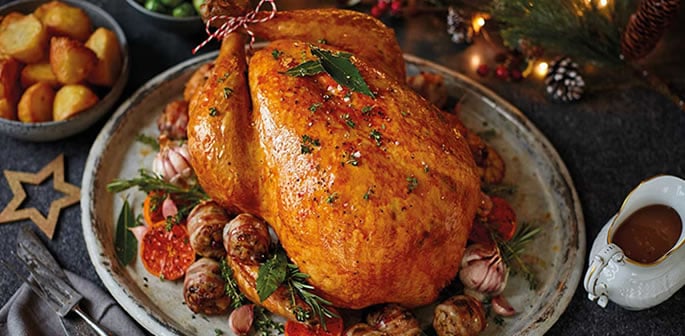
Turkey has been the centrepiece of the UK Christmas dinner for decades. Yet new figures suggest its grip on the festive table is loosening.
Habits are shifting, budgets are tighter, and alternatives are no longer fringe choices.
This Christmas, tradition looks more negotiable than it once did.
Just over half of UK households, 52%, plan to eat turkey as their main meal. In 2019, that figure stood at 60%, according to grocery insight charity IGD.
Chicken is the fastest climber, chosen by a quarter of households, up from 16% six years ago. Beef, pork, and seafood are also gaining ground.
Meanwhile, 13% of households plan vegetarian or vegan Christmas dinners, a modest rise since 2019.
Taken together, the numbers point to a festive table in transition. Turkey still leads, but it is no longer unchallenged.
Why Are Turkeys Popular at Christmas?

Turkey’s dominance is relatively recent in historical terms. It replaced goose as the festive default during the 1950s, helped by post-war farming changes and growing availability.
Before that, goose, beef, and other meats filled Christmas plates across Britain.
The bird itself arrived in Europe much earlier. Turkeys were brought from North America in the 16th century.
Henry VIII is thought to be the first monarch to eat turkey at Christmas. Widespread popularity came later, during Queen Victoria’s reign, when Christmas rituals became more standardised.
Literature played its part too. Charles Dickens cemented turkey’s festive symbolism in A Christmas Carol in 1843.
Scrooge’s “prize turkey” became shorthand for generosity, abundance, and seasonal excess. Over time, turkey grew into the expected centrepiece rather than a special flourish.
Rhian Thomas, Director of Shopper Insights from IGD, says:
“Turkey has been the centrepiece of the nation’s Christmas table for longer than most of us can remember.”
“But other meats such as chicken and beef are starting to muscle in on turkey’s dominance, which shows that people are open to trying other alternatives beyond the traditional choice.
“These shifts take time, but turkey’s long-held supremacy as the go-to for Christmas dinners could be starting to slip.”
Cost Pressures

According to IGD, finances will have a bigger role to play in 2025.
The research shows that 47% of shoppers are more worried about the cost of celebrating this Christmas. Last year, that figure was 43%.
For families with children aged 11 to 18, concern is sharper, with 60% reporting increased worry.
Food choices rarely exist in isolation from budgets.
Turkey can be expensive, particularly for larger birds feeding extended families. Chicken offers flexibility, smaller portions, and often better value. Beef and pork allow households to tailor spending without sacrificing a sense of occasion.
Shoppers are adjusting their behaviour across the board. More than half (54%) plan to use loyalty schemes to offset festive costs.
Thirty-seven per cent expect to buy less food and groceries this Christmas. Only 11% expect to buy more, despite the seasonal pressure to indulge.
Eating out is also being reined in.
Forty-six per cent anticipate fewer trips to cafés, restaurants, or pubs during the festive period. Just 8% expect to go out more.
Celebration is becoming more home-focused and more controlled.
Rethinking Christmas Dinner

Turkey’s decline is not just about price. Cooking confidence plays a role.
Turkey carries a reputation for dryness and stress. Many home cooks prefer meats they can roast, portion, or season with greater certainty.
Social media and food culture have widened the definition of what counts as a Christmas dinner.
Plant-based options, while still a minority choice, reflect this broader rethink.
A 13% share suggests these meals are now part of mainstream planning rather than niche accommodation.
Seafood and mixed spreads also appeal to households moving away from a single centrepiece model.
Looking ahead, IGD warns that shopper confidence remains fragile. Retail food inflation is forecast to fall gradually, from 4.3% in 2025 to 3.8% in 2026.
Rising household taxes and geopolitical uncertainty are expected to keep pressure on food and drink spending into 2026.
Turkey is unlikely to vanish from Christmas tables anytime soon.
Its cultural weight remains strong but the numbers show a quieter shift underway.
Christmas dinner is becoming more personal, more flexible, and less bound by one bird at the centre.