

















































the trend blends fruit and spice
A blend of boldness and caution is predicted to shape food in 2026. Consumers are still chasing exciting flavours, but they are also thinking harder about health, value and how food fits into daily life.
Economic pressures, wellness culture and social media influence now intersect on plates, menus and supermarket shelves in visible ways.
Rather than chasing novelty for its own sake, the biggest trends of the year reflect how people actually eat.
There is a renewed interest in familiar foods, but with modern upgrades. Flavour experimentation is becoming more informed, portion sizes more intentional and nutrition more purposeful.
Together, these shifts point to a food culture that values enjoyment without excess and innovation without alienation.
These are the five trends set to define how people eat in 2026.
Fricy Flavours
Hot honey and chilli crisp dominated 2025, but 2026 is pushing spice in a more nuanced, flavour-led direction. Innovation is shifting away from pure heat towards balance, contrast and cultural familiarity.
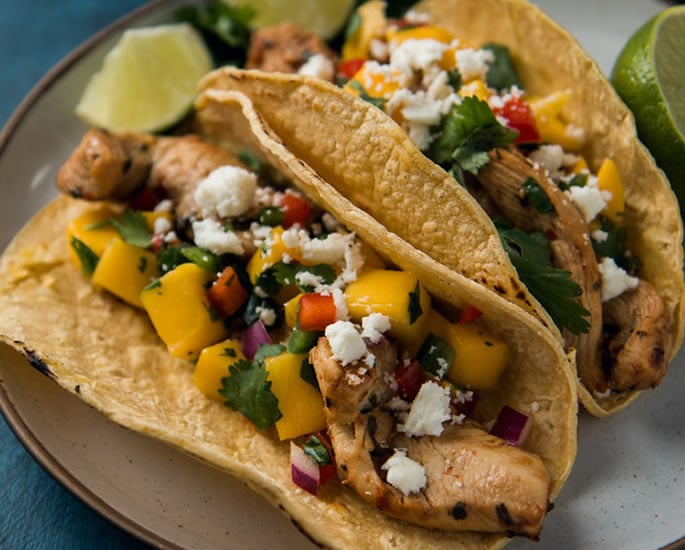
Known as “fricy”, the trend blends fruit and spice in ways long established across global cuisines.
Mexico’s pairing of chilli, lime and mango offers a clear blueprint, while Thailand’s fruit-forward salads show how heat, sweetness and acidity can coexist without overpowering one another.
This flavour profile is now moving decisively into mainstream food products and restaurant menus.
Early retail data points to strong momentum. Online retailer Sous Chef reports a sharp rise in demand for fricy condiments, with Mexican chamoy sales up 64% in three months. Japanese yuzu kosho, a fermented chilli and citrus paste, has also increased by 28%.
Drinks brands are following suit, with “spour” cocktails appearing on bar lists and in ready-to-drink cans, including updated takes on spicy margaritas.
Searches for Mexican Tajín, increasingly used as a cocktail rim, have been climbing steadily for the past five years.
At home, consumers are embracing fruit-forward chillies such as Peruvian aji amarillo and Caribbean scotch bonnets.
The wider appeal lies in drawing on traditions from Latin America and Southeast Asia, where fruit and spice have long been served together with confidence and restraint.
Mini Portions
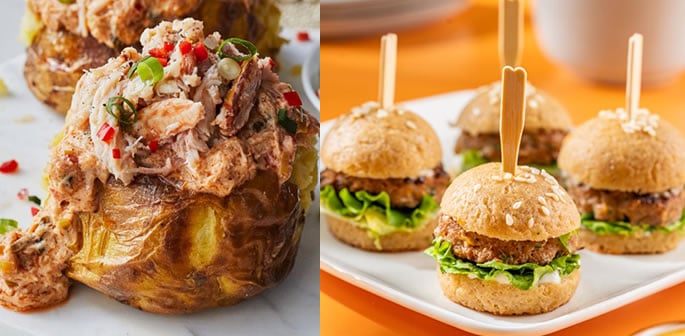
Portion size is emerging as one of the clearest food shifts of 2026, shaped by changing health narratives and everyday eating habits.
After diabetes and weight-loss injections dominated discussion in 2025, consumers are adjusting how they approach meals.
Jen Creevy, director of food and drink at global trend forecaster WGSN, says: “Mini versions of drinks, dishes, treats and indulgences are accelerating for two reasons.
“One – they’re playful, cute and just make you smile.”
“Two – they are the new go-to for those consumers either looking to cut down on portion sizes or those who are on weight-loss GLP-1s.”
Retail behaviour reflects this shift. Waitrose reports that 57% of surveyed customers sometimes replace traditional meals with snack-style foods, signalling a move towards grazing rather than set mealtimes.
Food trend agency The Food People has identified “snackification” as a defining movement, particularly “curated, crafted small formats that serve function and fun”.
In 2026, snacks are evolving into deliberate eating occasions, shaped around modern routines, changing appetites and a desire for control without compromise.
Jacket Potatoes Glow-Up
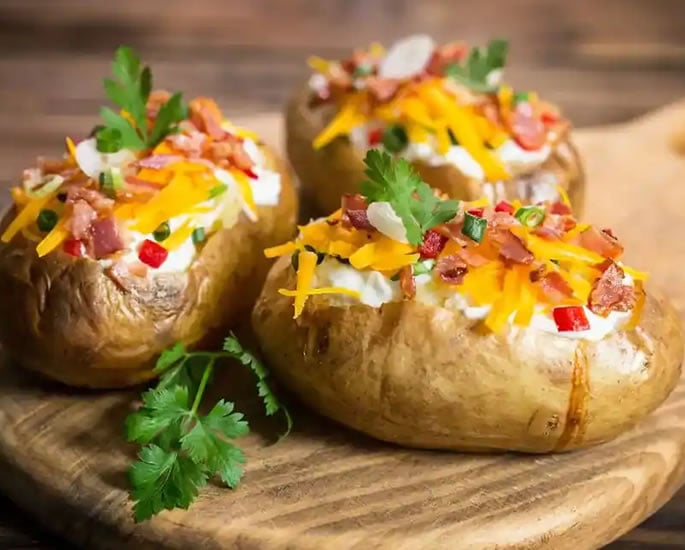
Few foods capture comfort quite like the jacket potato and in 2026, the humble spud is enjoying a full-blown cultural revival.
While it has never truly disappeared, this resurgence was accelerated by a viral moment: Kim Kardashian’s reaction to being asked whether she liked jacket potatoes sparked widespread online discussion, with the original TikTok clip reaching 13.8 million views and 710,000 likes.
Despite her initial confusion, Kardashian revealed she enjoys her jacket potatoes filled with soured cream, butter and bacon bits. The clip inspired a wave of recreated recipes and inventive variations across social media.
While celebrity influence played a role, the trend goes beyond one viral moment, reflecting a broader appetite for accessible comfort food.
Air fryers have made jacket potatoes faster and easier to prepare, with more than 60% of UK households now owning one.
Nutritionally, the potato has also been reframed as an affordable source of fibre, aligning with the growing interest in health-conscious eating without sacrificing indulgence.
Social media creators have fully embraced the spud’s comeback. Spud Bros, who film themselves making jacket potatoes with different fillings, have amassed more than seven million followers worldwide.
Meanwhile, ‘Potato Queen’ Poppy O’Toole has pushed the trend further, her garlic jacket potato racking up 7.4 million TikTok views.
The trend is backed by broader consumer behaviour.
A One Poll survey found that 94% of UK adults eat a jacket potato at least once a week, while Waitrose reports roasted potato sales are up by more than a third year-on-year, underlining the spud’s return to everyday relevance.
Cabbage Comeback
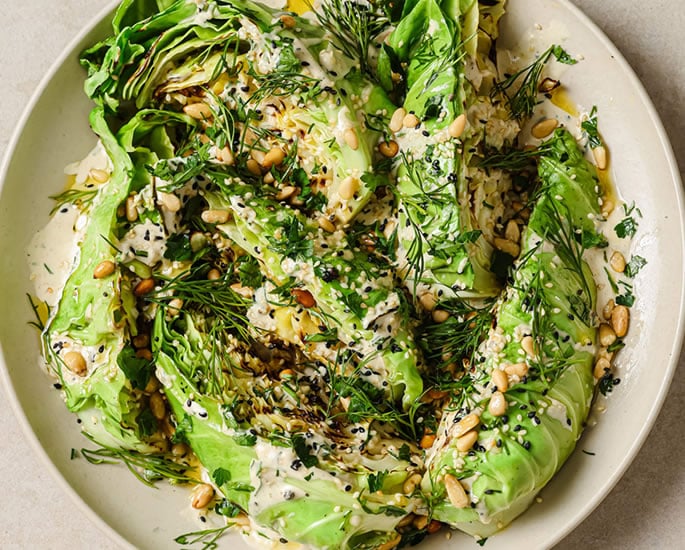
Cabbage may not have the glamour of trendy vegetables, but it is set to be back in the spotlight in 2026.
While chefs have long promoted premium varieties like hispi cabbage, mainstream interest is now catching up, driven by both curiosity and practicality.
In 2025, online searches for cabbage-based dishes surged, signalling that the humble brassica is poised for wider adoption in the upcoming year.
Data from Pinterest highlights the scale of this revival: searches for cabbage dumplings rose by 110%, Polish golumpki cabbage soup increased by 95%, and interest in fermented cabbage climbed by 35%.
The appeal of cabbage lies in its versatility and affordability. It can anchor comforting mains, feature in fermented sides or complement lighter, health-focused meals.
As consumers seek to stretch budgets without compromising on nutrition, vegetables with multiple uses are gaining renewed respect in the kitchen.
Functional Food and Drink
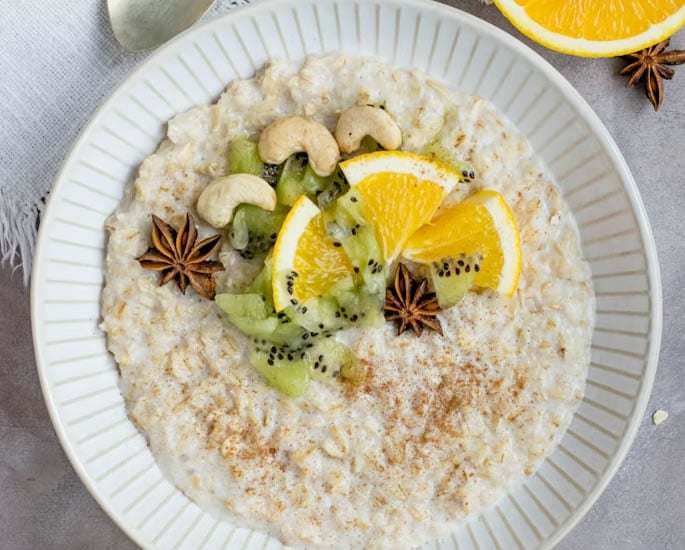
Functionality will become a defining factor in how people eat and drink in 2026.
Charlie Parker, senior nutritionist at Ocado Retail, says, “We’re observing among our own customers an important emerging theme of a general shift in emphasis towards quality and nutrient density.”
This shift is most evident in growing interest in protein and fibre, with Ocado reporting that searches for “fibre snacks” have risen by an astonishing 2,578% over the past year.
M&S senior nutritionist Louisa Brunt adds: “The good news about fibre is that it’s all about adding more of the good stuff to meals, rather than focusing on restriction or cutting things out.”
Consumers are increasingly drawn to foods that enhance well-being rather than simply limit intake.
Drinks are following a similar path. Traditional fizzy options are being replaced by functional alternatives designed to support digestion, hydration or energy.
Probiotic sodas, water kefirs, electrolyte powders and natural energy drinks are all gaining popularity, reflecting a broader demand for beverages that offer more than refreshment alone.
Social media is accelerating niche functional trends, with the #mushroomcoffee hashtag surpassing 99,000 tags on TikTok.
The food trends that will take over in 2026 reflect a more thoughtful relationship with eating.
Consumers are seeking flavour without excess, comfort without guilt and nutrition without rigidity. Familiar foods are being reworked rather than replaced, while global influences are being embraced with greater understanding.
From fricy flavours and snack-sized portions to functional drinks and revived classics, the year ahead is less about chasing the next big thing and more about refining what already works.
In that balance lies the future of how people will eat.