














































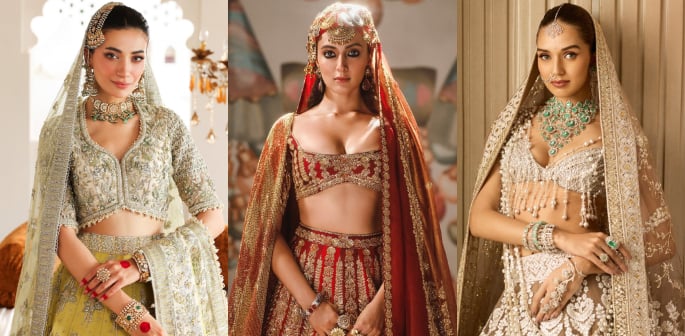
Today’s South Asian bride is global and image-conscious.
South Asian bridalwear in 2026 is moving towards intelligent fusion, where intense craftsmanship meets lighter, engineered silhouettes that move effortlessly across long wedding days.
Brides are prioritising comfort, camera impact and versatility without sacrificing heritage or grandeur.
Designers are responding with couture-level draping, breathable constructions and styling that feels global yet unmistakably desi.
This shift reflects how weddings are now staged across destinations, cultures and social media platforms.
Photography and video remain central, pushing designers to consider how garments read from every angle and distance.
Lehengas are slimmer, blouses are more engineered, and drapes are carefully sculpted for movement.
Yet tradition is not disappearing. Instead, it is being refined and recontextualised for modern South Asian brides worldwide.
The designers shaping 2026 understand this balance better than ever before.
Big Couture Powerhouses Defining Aspirational Bridal
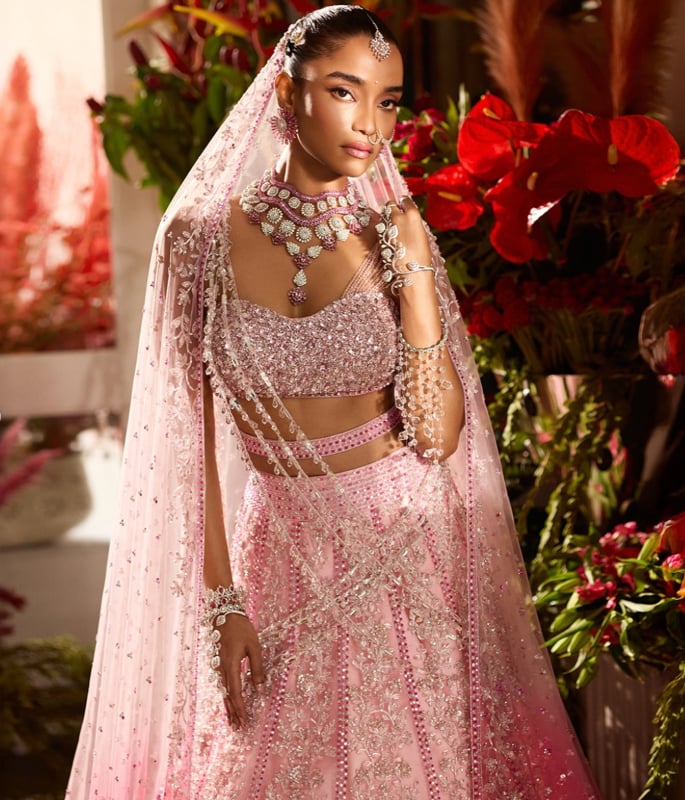 India’s couture heavyweights will continue to dictate aspirational bridal aesthetics through celebrity weddings, couture weeks and viral campaign moments.
These designers influence not just what brides wear, but how bridal fashion is imagined and marketed globally.
Manish Malhotra remains the pop culture barometer, blending retro Bollywood nostalgia with pearl-drenched lehengas, sculpted saree gowns and metallic glamour.
His celebrity-heavy campaigns keep his bridal fantasy deeply aspirational and instantly recognisable.
Falguni Shane Peacock brings unapologetic drama with hyper glam crystal work, feathered trains and corseted blouses.
Their designs suit destination sangeets and brides chasing red carpet energy rather than tradition-bound silhouettes.
Rahul Mishra continues to bridge art and bridal through deeply embroidered florals and narrative motifs rooted in haute couture credibility.
His lehengas and gowns photograph luxuriously, rewarding close-up craftsmanship.
Tarun Tahiliani remains the authority on tech meets tradition, offering engineered blouses, structured lehengas and drapes designed for movement.
Comfort-focused brides seeking regal impact consistently gravitate towards his work.
Anamika Khanna sustains her influence with sculptural capes, experimental layering and edgy drapes.
She continues to define the non-bridal bridal mood favoured by fashion insiders and celebrity brides.
New Gen Indian Labels Speaking to Global Brides
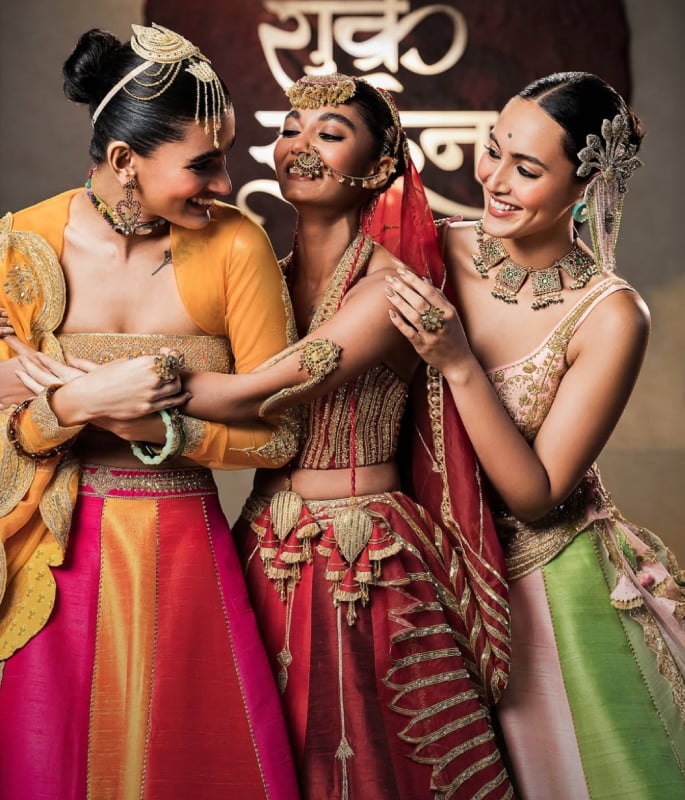 A new generation of Indian designers is shaping a lighter, smarter bridal language that resonates strongly with NRI brides across the UK, US and the Middle East.
Their focus lies in rewearability, conscious luxury and silhouettes suited to intimate or multi-location weddings.
Jayanti Reddy stands out for her handwoven silks, soft pastels and conscious approach to luxury.
Jackets and corsets layered over lehengas make her designs ideal for modern pheras and daytime ceremonies.
Sureena Chowdhri continues to gain momentum with understated yet trend-led lehengas featuring florals, pastels and easy blouses.
Strong celebrity backing and wearability make her a favourite for global, intimate weddings.
House of Masaba brings graphic prints, bold colour and fusion drapes into the bridal conversation.
Her inclusive casting and unfussy silhouettes are particularly suited to mehendi and sangeet events.
Kunal Rawal plays a vital role in 2026 through textured, tonal menswear and coordinated couple looks.
His designs reflect the growing trend of subtly matched bride and groom palettes.
Ritu Kumar remains relevant by reworking heritage textiles and heirloom embroidery into lighter silhouettes.
Her bridal appeal to families invested in craft, legacy and multi-event dressing.
Pakistani Bridal Stars Leading Ornate Elegance
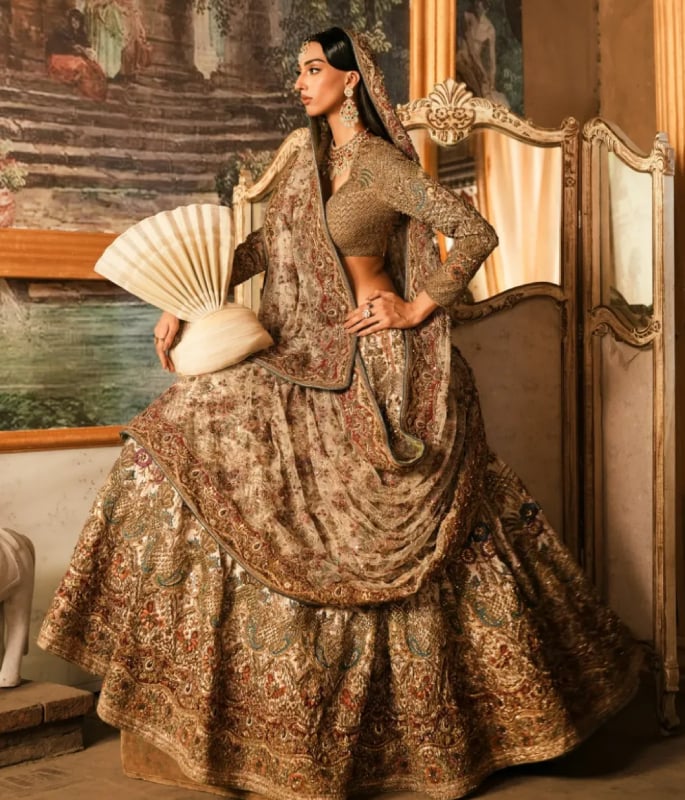 Pakistani couturiers are set to dominate photo-rich, ornate bridal aesthetics for UK and Gulf South Asian weddings in 2026.
Their designs strike a balance between traditional richness and modern refinement, delivering a strong visual impact.
HSY continues to be a reference point for monumental silhouettes and jewel-toned ensembles.
His symmetrical shararas, maxis and lehenga gowns deliver maximum luxury with theatrical flair.
Zainab Chottani’s work embodies old-world charm through mirror work, gota, and intricate embroidery.
Her collections feel classic yet refreshed, appealing to brides seeking timeless red and pastel sets.
Maria B remains influential due to her accessibility and wide distribution.
Her soft pastel bridal and romantic detailing resonate strongly with diaspora brides needing ready-to-ship couture.
Faiza Saqlain excels in fluid, feminine cuts featuring heavy borders balanced by airy bodies.
Her designs suit pre-events and receptions while retaining an unmistakable bridal presence.
Sadaf Fawad Khan offers clean, modern lines layered with traditional richness.
She is increasingly favoured for fashion-forward nikah and walima looks.
What This Means for the 2026 South Asian Bride
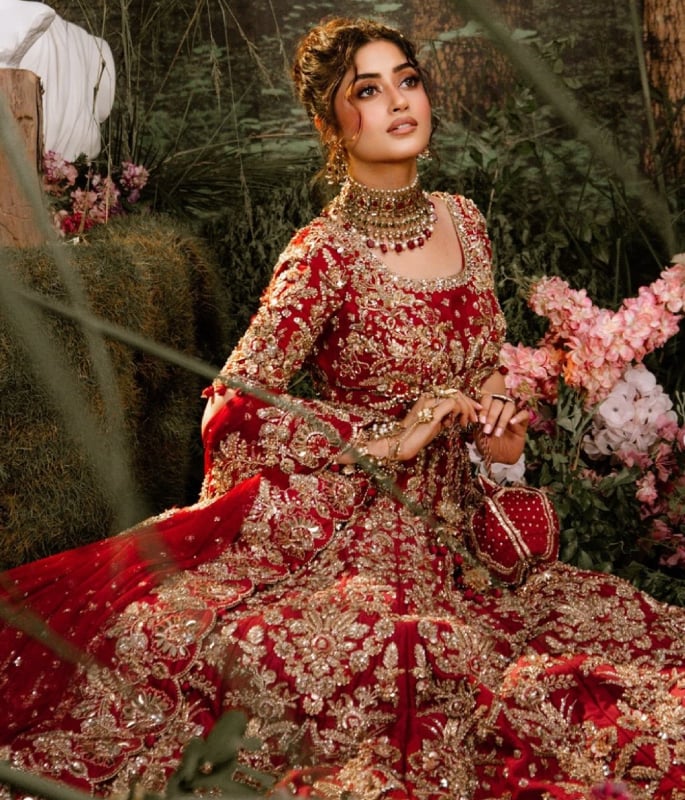 The designers defining 2026 understand that today’s South Asian bride is global, image-conscious and deeply rooted in culture.
Bridalwear is no longer about excess weight or rigid tradition, but intelligent design that adapts to modern lifestyles.
Brides are investing in pieces that transition across events, locations and future wear.
Comfort, craftsmanship and personal style are becoming as important as visual impact.
The rise of fusion does not dilute tradition, but reframes it for contemporary celebration.
Designers who respect heritage while innovating are shaping the next era of bridal fashion.
From couture powerhouses to new generation labels and Pakistani bridal stars, the 2026 landscape is rich and diverse.
What unites these designers is their understanding of how South Asian weddings now unfold on a global stage.
In 2026, bridalwear is not just worn, it is engineered, styled, and storytelling-driven.