














































The brand normalises diversity as both stylish and aspirational.
House of Masaba has emerged as one of South Asia’s most recognisable fashion labels, combining bold aesthetics with a refreshing commitment to inclusivity.
The brand’s power lies in its ability to merge visual disruption with commercial desirability, making its politics feel aspirational rather than niche.
Masaba Gupta’s approach ensures that vibrant prints, hybrid silhouettes, and striking motifs do more than just perform visually.
They also challenge long-standing beauty hierarchies that once dictated who deserved visibility within Indian fashion.
This blend of style and social commentary positions the label as a cultural force for younger South Asians globally.
With each collection, campaign, or product extension, House of Masaba continues to redefine what fashion can represent and who it should celebrate.
Signature Aesthetic and Brand Codes
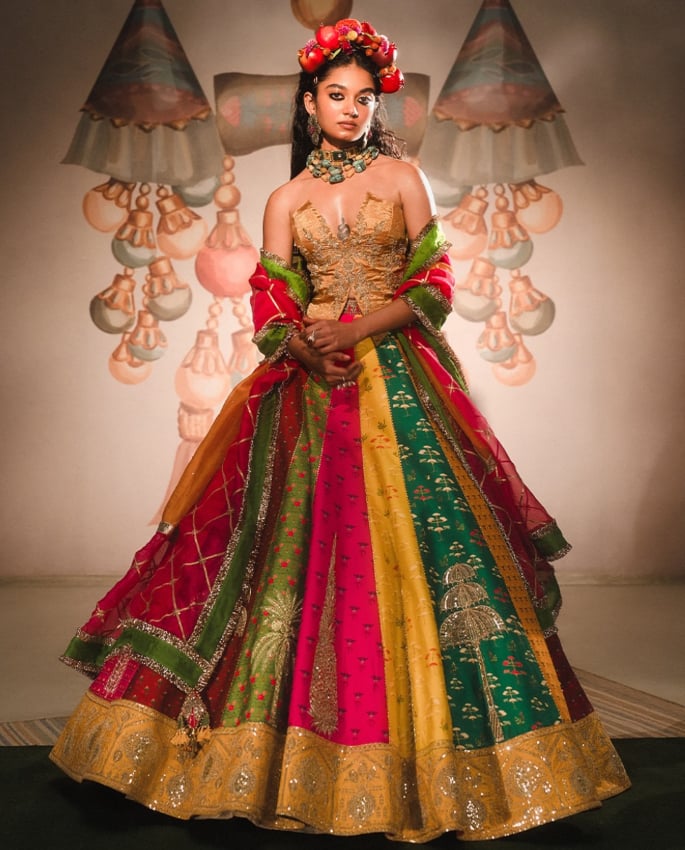
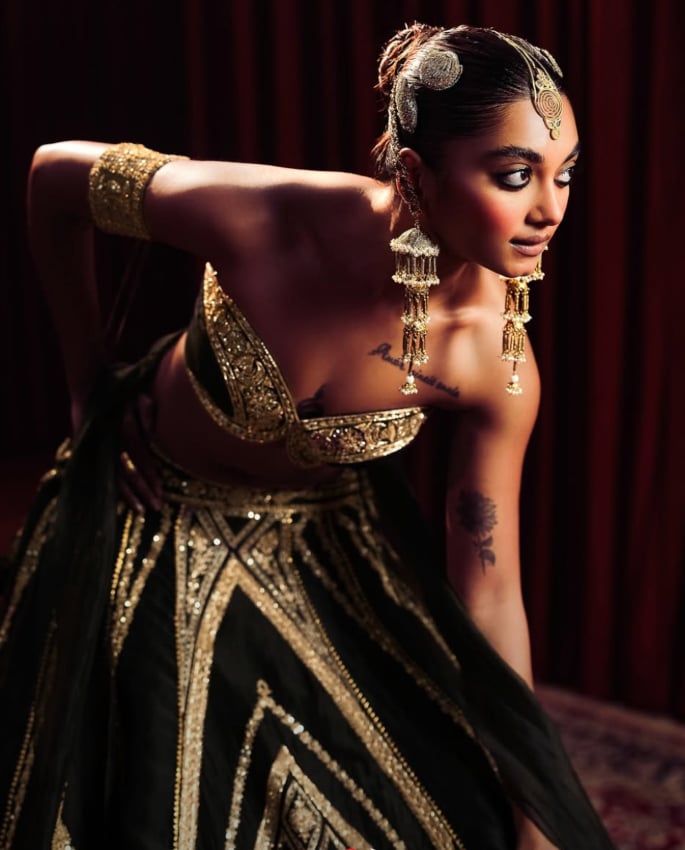 House of Masaba’s signature style is instantly recognisable, built on high-contrast prints, graphic motifs, and a fusion of traditional textiles with contemporary silhouettes.
Neon hues, bold borders, and playful iconography create a visual identity that stands out across social media, celebrity wardrobes, and weddings.
This consistent recognisability has turned the brand into a pop-cultural reference, with pieces often becoming conversation starters.
The visual world Masaba creates matters because it attaches glamour to faces and bodies typically sidelined in mainstream fashion.
Instead of restricting inclusivity to limited campaigns, the brand ensures it remains central to the clothing and imagery.
As the label expands into jewellery and beauty with LoveChild, these same codes travel across categories, reinforcing a unified and inclusive style universe.
Inclusivity and Size Diversity
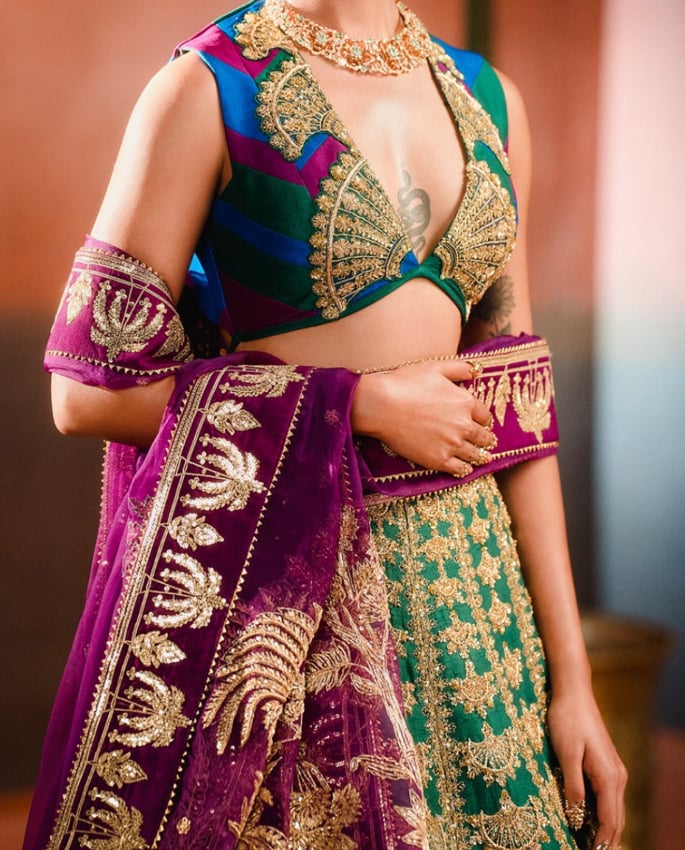 House of Masaba has long challenged the narrow sizing norms upheld by many South Asian designers.
By offering extended ready-to-wear sizes and silhouettes designed to flatter the Indian body type, the brand positions curvier consumers as core clients.
Indian fashion coverage frequently credits Masaba with helping normalise plus-size bridal and occasion wear at a luxury level.
Collaborations with online retailers have made size-inclusive designs even more accessible, expanding her influence across everyday wardrobes.
The brand’s emphasis on comfort also changes perceptions of luxury, proving that elegance does not need to rely on restrictive or body-specific shapes.
These fluid silhouettes gently shift plus-size fashion from the margins into the aspirational centre of Indian couture.
Challenging Colourism and Beauty Norms
 Masaba Gupta’s personal experiences with colourism and trolling have shaped the brand’s transparent stance on beauty biases.
She frequently criticises the expectation that South Asian women must appear fairer through lighting, retouching, or filters.
This critique travels directly into her campaigns, where darker skin tones and textured skin are celebrated without apology.
LoveChild by Masaba extends these principles into beauty, offering a skin-tone-inclusive line that rejects the idea of correcting deeper complexions.
The name itself, reclaimed from a term once used against her, embodies self-definition within a rigid cultural landscape.
In a region where colour, caste, and heritage still define worthiness, this messaging resonates deeply with younger South Asians seeking representation that feels authentic.
Campaign Casting and Representation
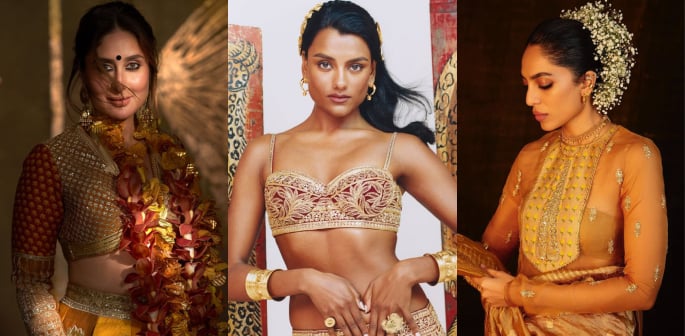
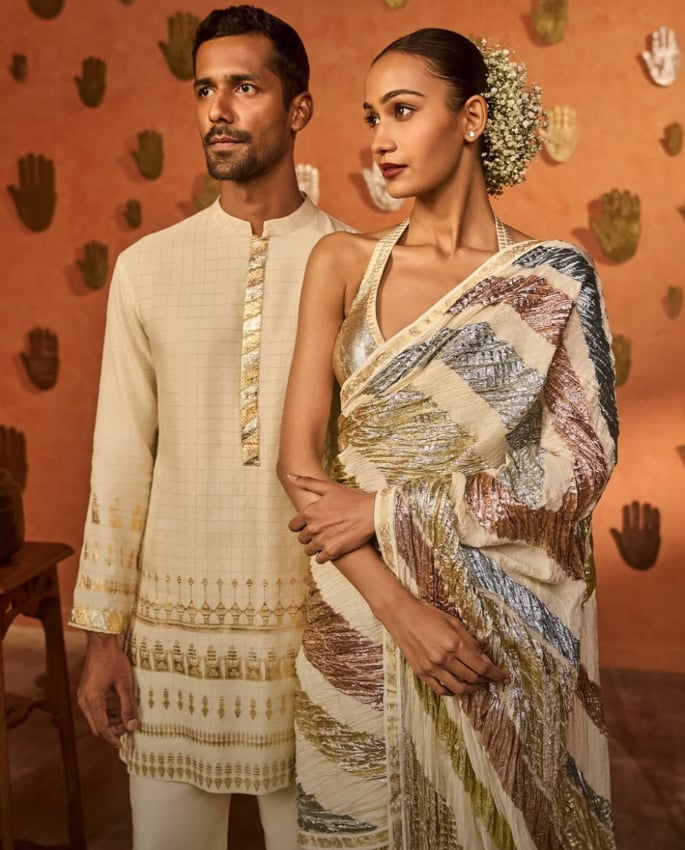 House of Masaba’s campaigns routinely feature models with darker skin tones, visible texture, and non-Eurocentric features styled in glamorous settings.
This reframes deeper complexions within the context of luxury rather than relatability, challenging long-held hierarchies in Indian advertising.
Alongside this, the brand continues to cast diverse body types as an everyday norm rather than an occasional diversity statement.
Its messaging around body positivity and critiques of photoshopping are reflected directly in visual storytelling.
By making inclusivity part of its expected brand language, House of Masaba trains audiences to view these models as expressions of trend and status.
This shift in representation subtly influences how other labels consider their own casting decisions and brand identities.
Cultural Power in South Asian Fashion
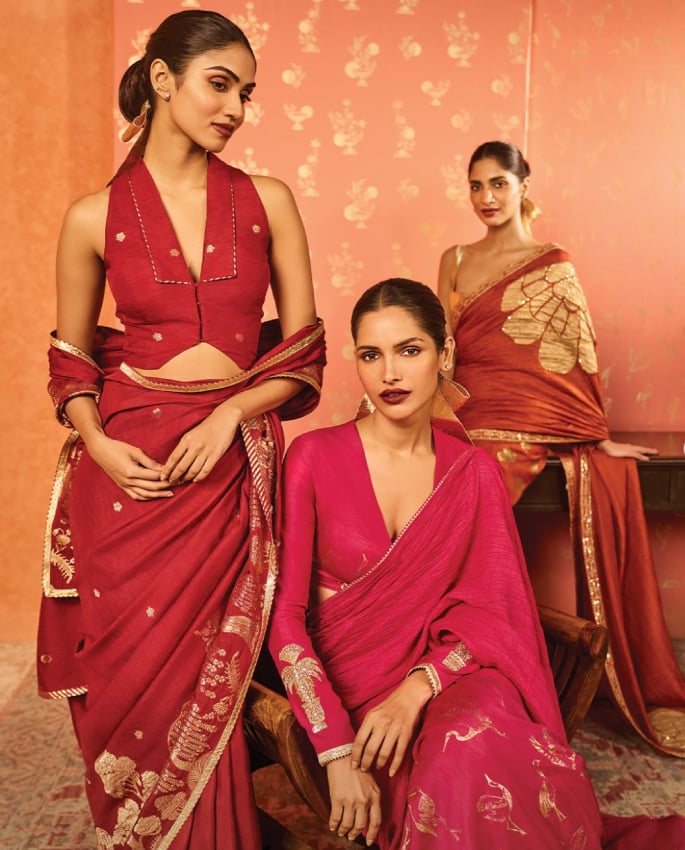 House of Masaba thrives at the intersection of celebrity culture, Instagram virality, and ethnic luxury, magnifying its influence beyond the runway.
Masaba’s journey from fashion rebel to cultural figure has shown designers that inclusivity and commercial success can coexist.
The brand plays a significant role in ongoing regional conversations around size, skin tone, and identity, making these shifts visible in everyday cultural moments.
From weddings to festivals, many South Asians now look to these visuals for style cues and cultural affirmation.
The brand’s impact is not about claiming full credit for transforming Indian fashion but about acting as a catalyst for industry-wide change.
As other designers take cues from Masaba’s approach, diversity becomes less of a project and more of a strategic expectation.
Normalising Inclusivity as a Brand Value
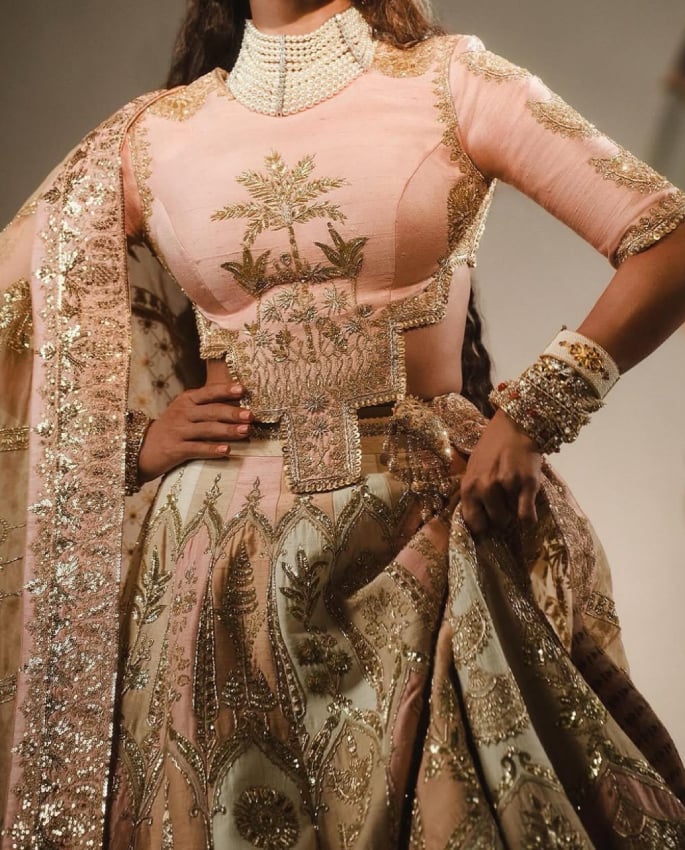 Profiles of Masaba Gupta consistently highlight her as a designer who has embedded inclusivity into her brand’s DNA.
Messages like “different is beautiful” and her critiques of photoshopping frame diversity as refined modern taste.
This influence encourages other labels to align with inclusive values to stay relevant with younger, social-media-driven consumers.
Studies on Indian fashion show that shoppers increasingly favour brands that reflect real-world diversity.
As consumer expectations evolve, designers have a greater incentive to expand sizing, rethink casting, and adjust their messaging.
This growing pressure makes inclusivity a lasting industry standard rather than a seasonal trend.
Impact on Size Inclusivity and Silhouettes
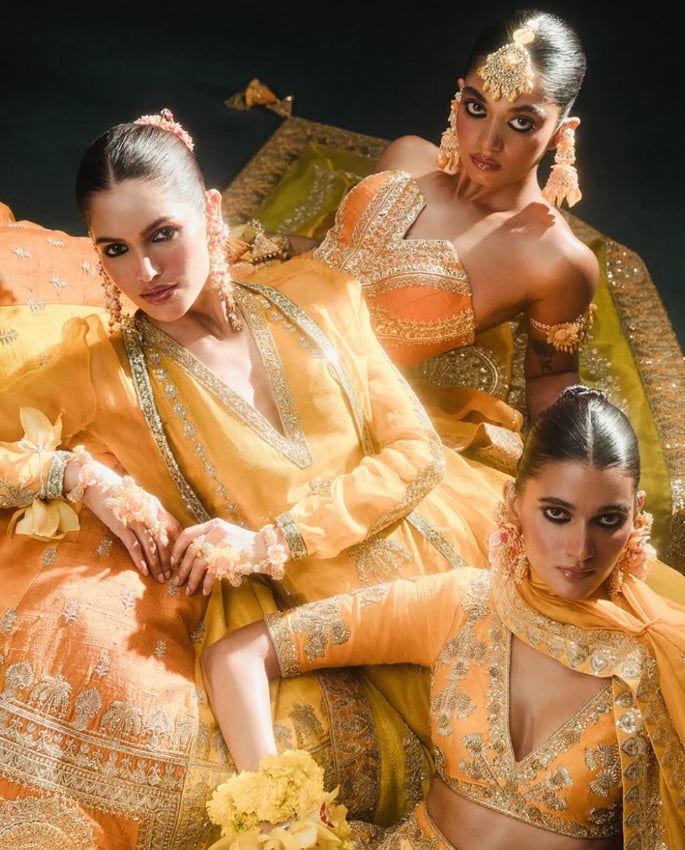 Masaba’s collaborations on size-inclusive collections highlight how marquee designers can serve larger bodies without separating them into specialised categories.
These efforts reposition extended sizing as fashionable rather than functional, pushing other designers to follow.
House of Masaba’s fluid silhouettes, including capes and fuss-free saris, offer shapes that work across body types without being labelled plus-size specific.
These designs are widely adopted across the market, lowering creative barriers for competitors seeking to adopt inclusive sizing.
This ripple effect ensures that inclusive silhouettes remain part of the mainstream fashion vocabulary.
As a result, the aesthetics of comfort and movement have become more widely associated with luxury.
Shifting Norms Around Skin Tone and Casting
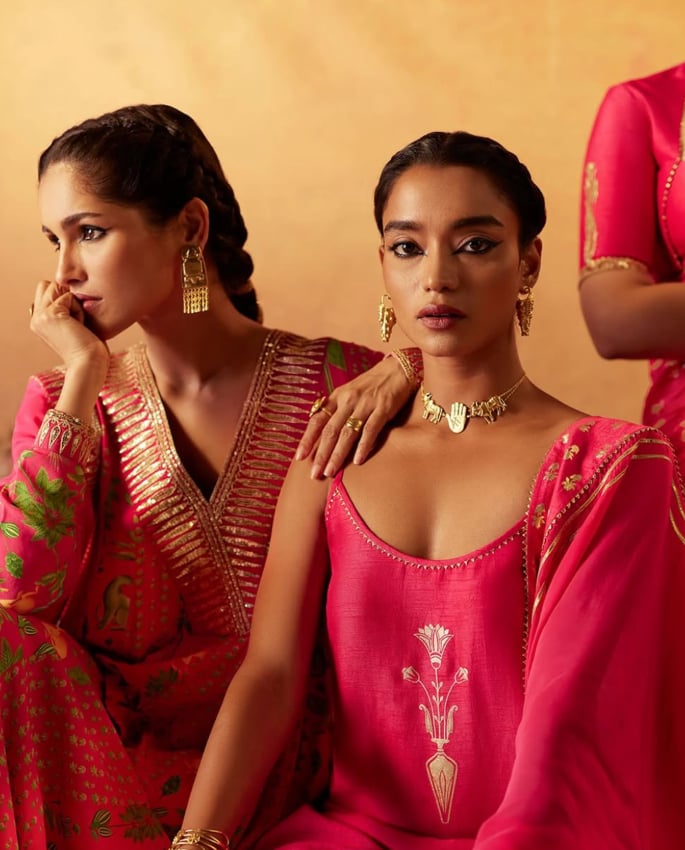 Masaba’s open rejection of fairness tropes has encouraged other beauty and fashion brands to reconsider how they represent deeper skin tones.
Her own presence in campaigns reinforces the idea that darker skin belongs within glamorous visuals.
Features on shade diversity frequently cite Masaba as a key voice shaping new expectations in Indian fashion.
This repeated association strengthens the idea that deeper-skinned beauty should be part of industry norms.
As more designers stop lightening their imagery, audiences gain a more accurate reflection of South Asian identities.
This cultural momentum continues to shift the aesthetic centre of Indian fashion toward authenticity.
Cultural and Commercial Ripple Effects
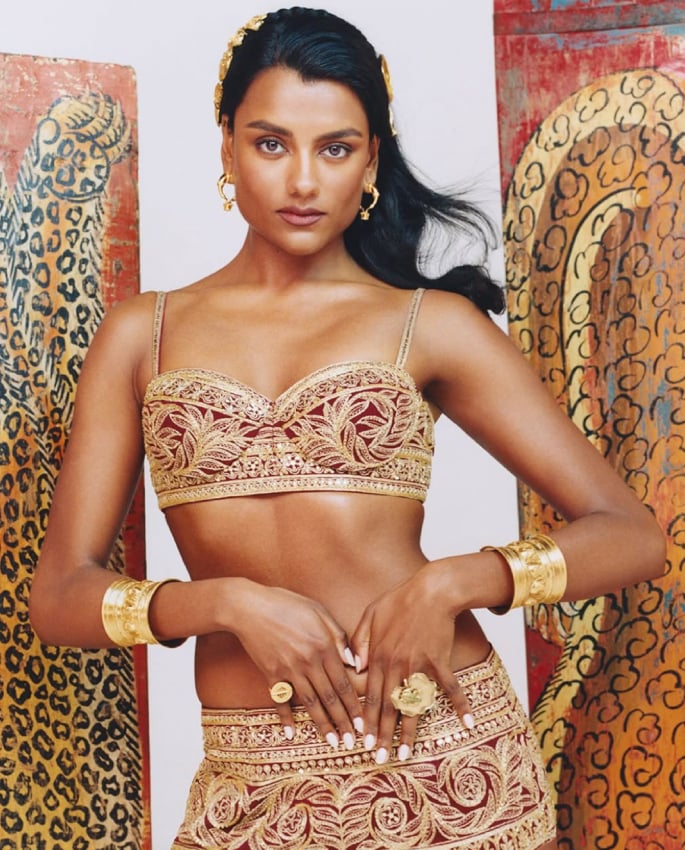 Masaba Gupta’s influence extends across film, TV, social media, and beauty, building a cross-industry presence that strengthens her fashion impact.
This reach shows other designers that centring diversity can build both cultural relevance and strong business performance.
Studies reveal that brands with genuinely inclusive designs and campaigns enjoy stronger consumer loyalty and engagement.
House of Masaba’s visibility helps set a benchmark that makes non-inclusive fashion feel outdated.
As a result, designers are increasingly expected to reflect the faces and bodies Masaba has brought to the forefront.
This expectation reinforces inclusivity as a core pillar of contemporary South Asian fashion.
House of Masaba embodies the power of combining bold aesthetics with a commitment to inclusive storytelling across fashion and beauty.
Its visual codes create instant recognisability while also elevating bodies historically overlooked by mainstream Indian fashion.
Masaba Gupta’s public stance on colourism, size diversity, and self-representation has helped broaden the industry’s understanding of beauty.
Through casting, silhouettes, and messaging, the brand normalises diversity as both stylish and aspirational.
Its ripple effects influence how designers develop collections, campaigns, and size runs for increasingly discerning consumers.
House of Masaba may not have reshaped the industry alone, but it has become a vital cultural force pushing South Asian fashion toward a more inclusive future.