
















































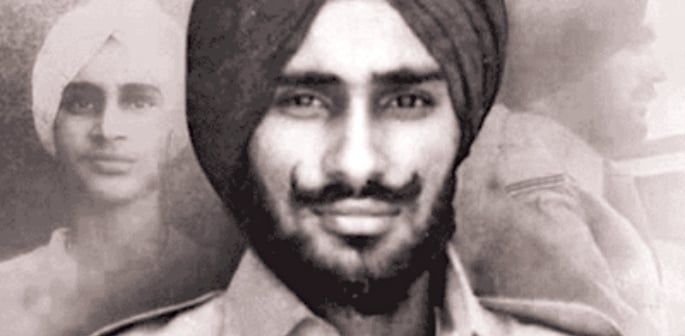
His actions during the 1971 war define heroism.
Nirmal Jit Singh Sekhon stands among India’s greatest military heroes.
His courage during the Indo-Pakistan War of 1971 remains unmatched in the history of the Indian Air Force.
As a young fighter pilot, Sekhon displayed extraordinary bravery against overwhelming enemy forces.
His actions during a single aerial battle secured his place in India’s collective memory.
Sekhon’s story is not only about combat and sacrifice. It is also about discipline, patriotism, and absolute commitment to duty.
His martyrdom highlighted the risks faced by air force pilots during wartime operations.
It also showed how one individual can alter the outcome of a critical moment.
Decades later, his legacy continues to inspire Indians worldwide.
Cinema, education, and military tradition keep his story alive.
With Anurag Singh’s film, Border 2 (2026), his life reaches new audiences.
Diljit Dosanjh’s portrayal of the late fighter pilot renews interest in Sekhon’s bravery and sacrifice.
Join DESIblitz as we explore the unparalleled valour of Nirmal Jit Singh Sekhon.
Early Life & Entry into the Indian Air Force
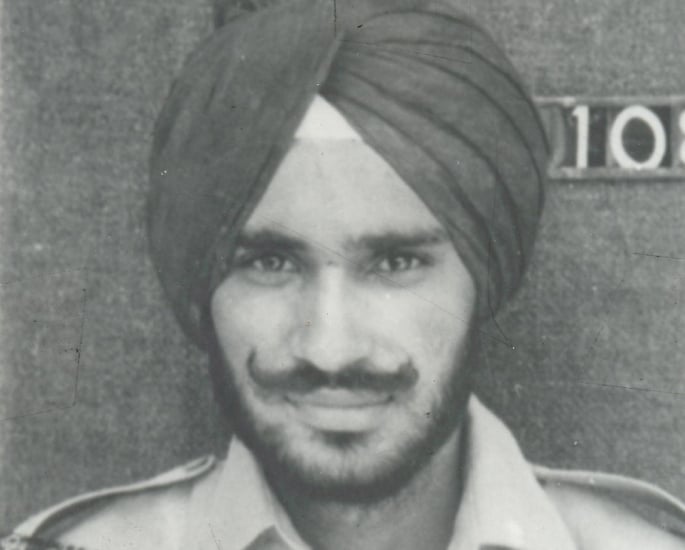 Nirmal Jit Singh Sekhon was born on July 17, 1945. His birthplace was Isewal village near Ludhiana, located in Punjab.
He grew up in a disciplined Sikh family. Values of courage, honesty, and service shaped his childhood environment.
Sekhon was known as a focused and determined student. Teachers recognised his sharp mind and strong sense of responsibility.
Physical fitness played an important role in his early life. He actively participated in sports and outdoor activities.
A fascination with aircraft developed during his teenage years. Stories of fighter pilots deeply influenced his ambitions.
From a young age, he expressed a desire to serve India. The Indian Air Force became his ultimate goal.
Sekhon pursued his education with discipline and purpose. He prepared himself academically and physically for a military career.
His selection for the National Defence Academy marked a turning point. The institution trains future leaders of India’s armed forces.
At the academy, Sekhon displayed leadership and composure. He adapted quickly to demanding routines and strict discipline.
Flying training followed after commissioning. Sekhon showed exceptional aptitude for aerial manoeuvres and combat flying.
Instructors praised his situational awareness and calm decision-making. These qualities later proved vital during real combat situations.
When did he join the Indian Air Force?
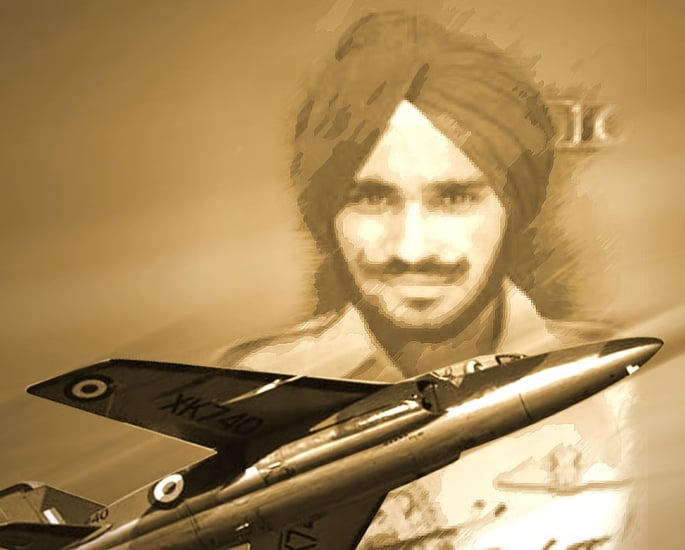 Nirmal Jit Singh Sekhon joined the Indian Air Force in 1963. He was commissioned as a fighter pilot after completing his training.
He was assigned to No. 18 Squadron. The unit was famously known as the “Flying Bullets”.
Sekhon flew the Folland Gnat fighter aircraft. The jet was small, fast, and highly manoeuvrable.
The Gnat earned a formidable reputation during the 1965 conflict. It was nicknamed the “Sabre Slayer” for its combat success.
Sekhon quickly adjusted to frontline operational duties. His confidence in the cockpit continued to grow.
Within his squadron, Sekhon earned respect rapidly. Colleagues admired his professionalism and calm temperament.
He maintained strict flying discipline during training sorties. Safety and precision were always prioritised.
Senior officers trusted him with critical responsibilities. His alertness during air defence missions stood out.
Sekhon remained modest despite recognition. He focused entirely on improving his flying skills.
His dedication reflected his understanding of the risks of combat. He prepared mentally for worst-case scenarios.
This mindset would soon be tested during war. However, 1971 changed everything.
The Indo–Pakistan War of 1971
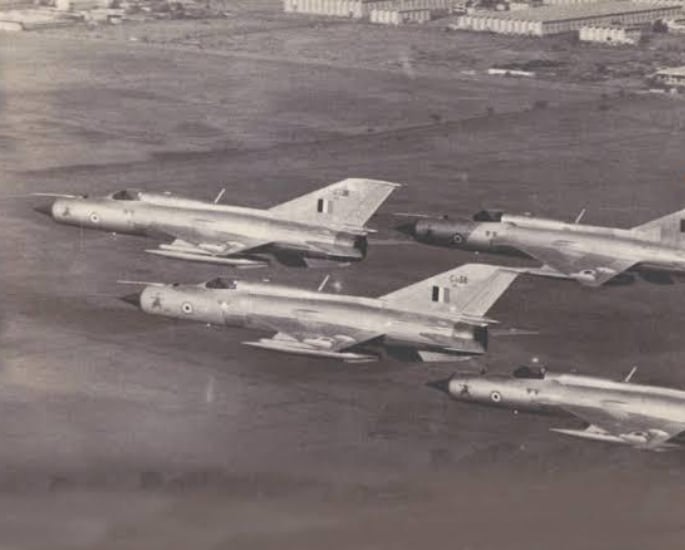 The Indo-Pakistan War erupted in December 1971. Air superiority became crucial during the war. Both sides targeted strategic air bases.
Srinagar Air Base was vital for Indian operations. Its defence became a high priority.
Pakistani forces aimed to disable Indian airfields early. Surprise attacks were part of their strategy.
Young pilots like Sekhon stood on constant alert. Any delay could prove disastrous.
On December 14, 1971, when Sekhon was aged 26, Srinagar Air Base faced an aerial attack.
Multiple Pakistani F-86 Sabre jets approached the airfield.
Sekhon was on readiness duty at the time. Other aircraft were grounded or under maintenance.
Despite overwhelming odds, Sekhon decided to take off. He chose to defend the base alone.
His Gnat intercepted the incoming Sabres. A fierce dogfight followed in the skies.
Sekhon displayed exceptional flying skills and aggression. He successfully shot down two enemy aircraft.
Enemy pilots were surprised by his resistance. The lone Indian aircraft disrupted their attack formation.
However, Sekhon’s aircraft sustained heavy damage. He continued fighting despite worsening conditions.
Eventually, enemy fire struck his Gnat critically. Sekhon was killed in action during the engagement.
Param Vir Chakra & Recognition
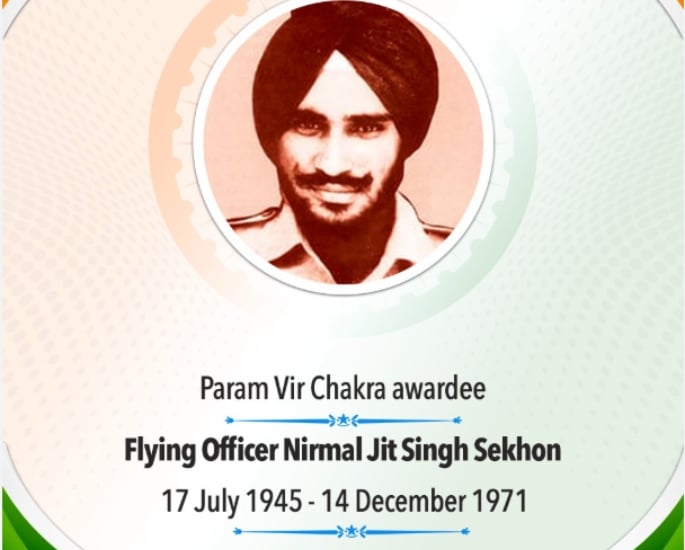 Nirmal Jit Singh Sekhon was awarded the Param Vir Chakra posthumously. It is India’s highest wartime gallantry honour.
The citation highlighted his lone defence against multiple enemy aircraft. It praised his decision to engage despite near-certain death.
Sekhon remains the only Indian Air Force officer to receive this honour. His achievement holds unique significance.
The award recognised supreme sacrifice and unmatched courage. It cemented his place in military history.
His name is honoured across India. Several institutions and landmarks bear his name.
The Indian Air Force continues to honour Sekhon’s legacy. His story is taught to trainee pilots.
He represents the highest ideals of air combat. Duty, bravery, and selflessness define his example.
Commemorative events mark his sacrifice annually. Serving officers remember his actions with pride.
His life reinforces the importance of readiness: Split-second decisions can change the course of battle.
Diljit Dosanjh as Nirmal Jit Singh Sekhon
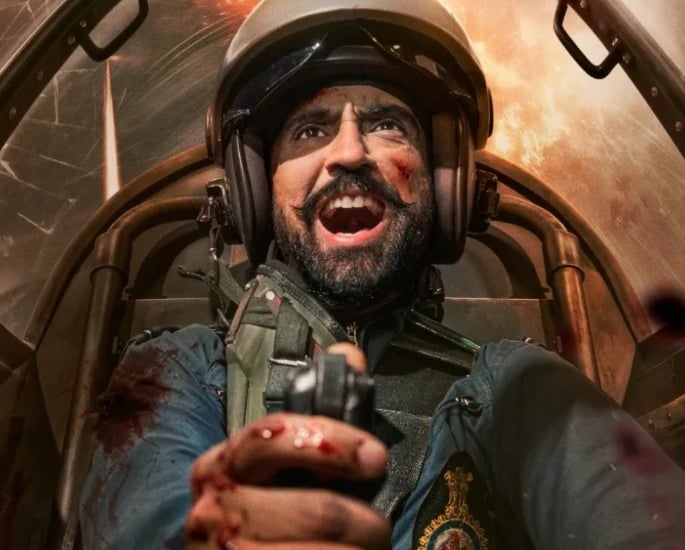 Border 2 revisits India’s war heroes. Nirmal Jit Singh Sekhon plays a key role.
Diljit Dosanjh portrays Sekhon on screen. The casting generated widespread anticipation.
Diljit brings emotional depth and authenticity to the role. His performance highlights inner strength and determination.
The film introduces Sekhon’s story to younger audiences. It blends history with modern cinematic storytelling.
Border 2 reinforces national memory through popular culture. It ensures Sekhon’s sacrifice remains widely recognised.
Despite performing alongside acclaimed stars, including Sunny Deol, Varun Dhawan, and Ahan Shetty, Diljit holds his own, emboldening Sekhon’s legacy with a magnificent performance.
In an Instagram post in January 2026, Sunny Deol revealed his meeting with Sekhon’s family.
He wrote: “It was a privilege to meet the family of our hero, Param Vir Chakra Flying Officer, Nirmal Jit Singh Sekhon, being portrayed by Diljit Dosanjh.
“[His] true story of unmatched bravery you will see in the film. Meeting his family was so warm and memorable.
“Border 2 is a salute to all soldiers and their families who carry their legacy with quiet courage.”
Nirmal Jit Singh Sekhon represents courage at its purest.
His actions during the 1971 war define heroism.
From a village in Punjab to the skies of Srinagar, his journey inspires many. Few lives demonstrate such unwavering dedication.
His martyrdom saved lives and protected vital assets. India continues to benefit from his sacrifice.
Through honours, remembrance, and cinema, his legacy endures.
Nirmal Jit Singh Sekhon remains a guardian of India’s skies forever.