


















































For many, sex after 50 is not less, just different.
The idea that sex simply stops after 50 is deeply rooted but widely inaccurate.
Large population studies consistently show that most people remain sexually active well into midlife and beyond.
An Irish study found that 59% of adults over 50 had sex in the past year.
Around one third of those sexually active reported having sex once or twice a week.
A US survey cited by AARP reported even higher figures, with up to 91% of men and 86% of women in their 50s remaining sexually active.
Importantly, around 80% of respondents said these encounters felt good both emotionally and physically.
Frequency does tend to decline with age, but the reasons are rarely about a loss of interest alone.
Health conditions, medication use, partnership status, and fatigue all play significant roles.
Among adults aged 50 to 80, people report sex on average about twice a month.
About 38% say they are currently not sexually active, often due to life circumstances rather than desire.
In older age groups, sexual inactivity increases, especially among those who are widowed, single, or unwell.
Where sex continues, it often becomes less performance-focused and more emotionally satisfying.
Physical Changes Are Common but Often Treatable
 Many physical changes after 50 can affect sex, but they are rarely an automatic endpoint.
For women, perimenopause and menopause bring declining oestrogen levels that can affect vaginal tissues.
Dryness, thinning, and fragility of tissue can make penetration painful and reduce desire. This discomfort can create a cycle where avoidance of sex worsens symptoms over time.
The good news is that effective treatments are widely available and well-evidenced.
Topical oestrogen, systemic HRT, and non-hormonal moisturisers can dramatically reduce pain and dryness.
Hot flushes, disrupted sleep, and mood changes can also dampen libido.
Improving sleep quality, managing stress, and maintaining regular exercise are strongly linked to a better desire.
For men, erection difficulties become more common with age, particularly after 50.
These changes are usually linked to blood flow, nerve health, or medication rather than loss of attraction.
Seeing these changes as medical issues rather than personal failures can transform how couples respond.
The Role of Cardiovascular Health and Diabetes
 Cardiovascular disease is one of the strongest drivers of sexual difficulties after 50, especially for men.
Healthy erections rely on strong blood flow, which depends on flexible and open arteries.
Atherosclerosis narrows blood vessels and accounts for around 40% of erectile dysfunction cases in men over 50.
Because penile arteries are smaller than coronary arteries, erectile problems often appear years before heart disease symptoms.
Research shows erectile dysfunction can predict cardiac events two to five years earlier than a heart attack or stroke.
Among men with diagnosed heart disease, between 45% and 90% report some form of sexual dysfunction.
Hypertension damages blood vessel linings and further reduces blood flow to genital tissues.
Some blood pressure medications also contribute to sexual side effects.
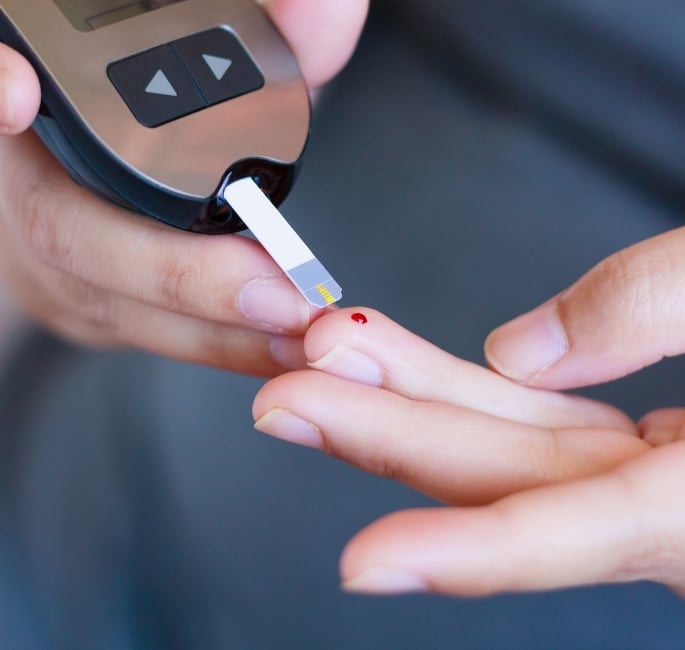
Diabetes is another powerful risk factor affecting both blood vessels and nerves. Around half of men over 50 with diabetes report erectile dysfunction.
Women with diabetes may withdraw from sexual activity earlier, often without clinical support.
Hormones, Thyroid Health, and Ageing Bodies
 Hormonal shifts influence sexual desire and function across midlife.
Menopause affects the majority of women, with 40 to 60% experiencing vulvovaginal atrophy symptoms.
The REVIVE survey found that dryness affected over half of the postmenopausal women surveyed.
Pain during sex disrupted enjoyment for nearly six in ten participants.
Regular sexual activity, whether partnered or solo, can help maintain vaginal tissue health.
Testosterone decline in men is more gradual than once believed, but low levels still matter. Low testosterone increases the risk of erectile difficulties and reduced desire.
Thyroid disease is an often overlooked contributor to sexual dysfunction. Both underactive and overactive thyroid conditions impair libido, arousal, and orgasm.
Treating thyroid disease can significantly restore sexual function in people of all genders.
Hormones rarely act alone, but they are an important piece of the puzzle.
Lifestyle, Mental Health, and Daily Energy
 Overall health strongly predicts sexual interest and satisfaction after 50.
People who rate their health as good are far more likely to have regular and enjoyable sex.
Fatigue is one of the most commonly reported barriers among older couples.
Chronic pain, obesity, diabetes, and high blood pressure further reduce desire and comfort.
Regular physical activity improves circulation, stamina, mood, and body confidence. Exercise also supports hormone balance and cardiovascular health.
Adequate sleep is particularly important for sexual desire, especially in women.
Mental health plays an equally powerful role at every age. Depression and anxiety suppress desire and interfere with arousal.
Past sexual shame or trauma can resurface later in life if unaddressed.
Therapy, medication reviews, and honest communication often make a meaningful difference.
Relationship Dynamics Matter More Than Age
 Sex therapists consistently emphasise that connection matters more than age.
A large global study called The Normal Bar examined the habits of sexually satisfied couples.
Couples with great sex lives tended to express affection daily. They prioritised kissing, cuddling, and emotional closeness without pressure.
Relationship satisfaction strongly predicts both sexual frequency and enjoyment.
Open communication about bodily changes protects intimacy over time.
Talking about dryness, erections, fatigue, or insecurities reduces shame and misunderstanding.
Flexibility is another key factor for long-term sexual wellbeing.
Expanding intimacy beyond penetration helps many couples adapt to physical changes. Slowing down and prioritising foreplay often increases pleasure.
Positive attitudes toward ageing and sexuality strongly predict continued satisfaction.
A satisfying sex life after 50 is not about defying ageing. It is about understanding how bodies, health, and relationships evolve.
Staying fit, having a sensible diet and getting enough sleep all contribute to a healthy lifestyle which results in good sex.
By 50, sexual experience plays a vital role in keeping your sex life interesting and enjoyable.
Most changes are gradual, manageable, and influenced by multiple factors. Medical conditions, hormones, mental health, and connection all interact.
Improving even one modifiable factor can lead to meaningful improvements. Sex often becomes more emotionally rich, relaxed, and confident with age.
Letting go of performance myths and anxiety opens space for deeper intimacy.
Pleasure does not have an expiry date. Curiosity, communication, and care remain powerful tools at every stage of life.
For many, sex after 50 is not less, just different.