

























"Let’s pledge to not just burden our kids."
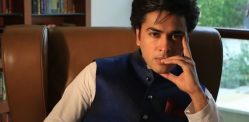
Shehzad Roy used World Education Day to question whether Pakistan’s education culture is nurturing children or quietly overwhelming them.
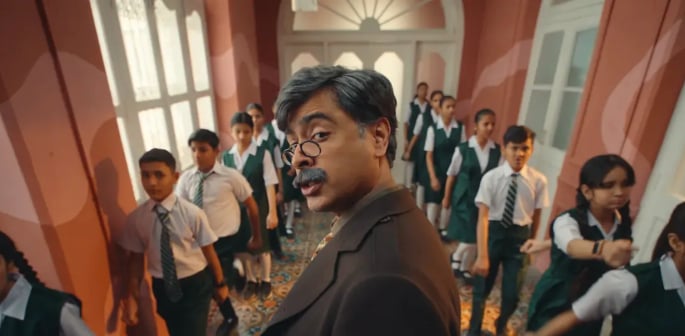
Accompanied by students from schools run by his Zindagi Trust, Roy released his new song ‘Late Ho Gaye.’
The music video opens with an unsettling but familiar scenario, as Roy questions parents about enrolling an unborn child into school.
When the confused parents hesitate, Roy appears onscreen delivering the blunt reminder, “Late ho gaye,” setting the tone immediately.
Through satire and storytelling, the song highlights pressures children face long before classrooms ever begin shaping their personalities.
One of the earliest concerns raised involves elite school admission deadlines that compel parents to present toddlers for interviews.
A young girl’s plea in the video reflects this anxiety as she begs for time to simply exist before expectations arrive.
The narrative then shifts toward linguistic confusion faced by children navigating English classrooms while speaking other languages at home.
Roy uses this contrast to underline emotional stress, where discipline arrives in different languages but understanding rarely follows.
The song also critiques the relentless routine of tuition culture that leaves little room for rest or curiosity.
Children in the video visually represent exhaustion, moving directly from school obligations into evening academic drills without pause.
Another segment calls out distracted parenting, where screens replace conversation and children are pacified instead of being understood.
Roy concludes the video with a clear appeal, urging families to rethink education as growth rather than constant competition.
He says: “On World Education Day, let’s pledge to not just burden our kids in the name of education and actually educate them well.”
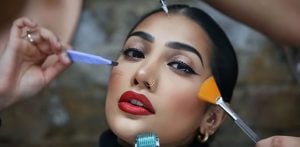
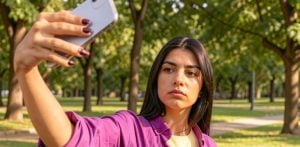
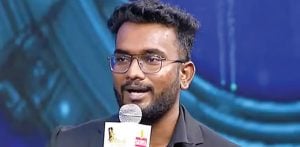
The message struck a chord across the entertainment industry, with several celebrities sharing the video and adding personal reflections.
Actor Maryam Nafees compared Pakistan’s schooling pressures with global norms, noting emotional readiness guides enrollment elsewhere.
She added: “We know how it works in some cities in our country.”
Rushna Khan echoed the sentiment by reminding viewers: “Childhood isn’t a race.”
Saboor Ali shared her own struggle, admitting that school admissions already loom over her daughter Serena.
She wrote: “Serena is still so little, but here we are in the school admission race already.”
Sarwat Gilani praised Roy for addressing uncomfortable truths, stating that education pressures can no longer be ignored.
“Education has become a race, a comparison, a constant source of anxiety for children and parents alike”.
Gilani further emphasised Roy’s importance, saying his voice reminds society that reform begins with awareness and honesty.
Mawra Hocane applauded Roy’s consistency, calling his work an effort at “correcting the country’s system, one video at a time”.
Content creator Waliya Najeeb questioned society’s obsession with enrolling “literal babies” into formal education structures.
Beyond music, Roy’s credibility stems from years of educational reform through Zindagi Trust schools across Pakistan.
With ‘Late Ho Gaye’, Shehzad Roy has once again blended art and advocacy, asking society to pause and rethink what learning truly means.