


















































"I wanna go back to making music. I wanna start again.”
There are rare moments when an artist’s decision reflects a wider cultural and industry transformation, and Arijit Singh’s decision to step away from playback singing is one such moment.
For decades, Hindi cinema has shaped the sound of Indian popular music, producing voices that became as iconic as the actors on screen.
Known for performing ‘Tum Hi Ho’ from Aashiqui 2, Singh shocked fans when he announced that he would not “be taking any new assignments as a playback vocalist“.
His statement added: “I am calling it off. It was a wonderful journey.”
Singh’s move comes at a time when musicians are increasingly reclaiming ownership, creative control, and direct relationships with listeners.
Here’s why his decision makes sense.
Playback Legacy to Personal Identity
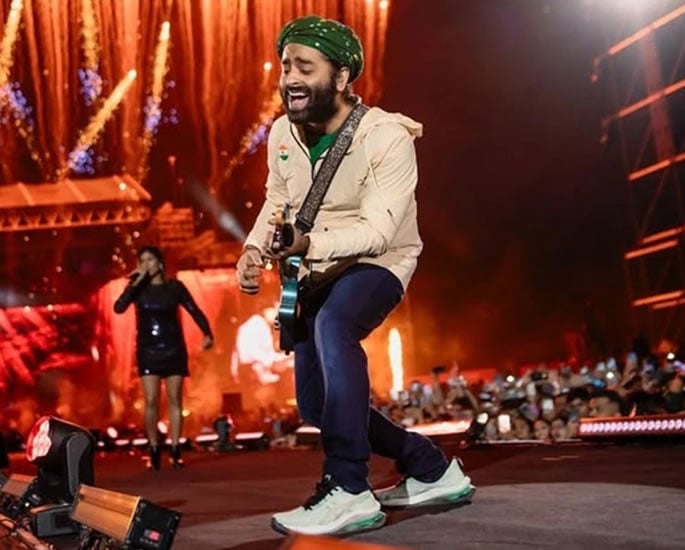
Playback singing has been a key part of Indian cinema since Alam Ara was released in 1931, making music an essential element of film storytelling.
Over the decades, playback singers have become major cultural figures, with voices that shaped entire generations and emotional moments.
Arijit Singh stands out as one of the most influential names in this tradition, helping define the sound of modern Bollywood while connecting with listeners across age groups.
His decision to step away from playback singing suggests a wish to separate his personal artistic identity from film-led branding.
Instead of having his music shaped by movie storylines, Singh seems to be moving towards a space where his songs exist on their own terms.
Explaining that he remains committed to music, Singh said:
“I am going to go back to Indian Classical Music. I wanna go back to making music. I wanna start again.”
Independent music in India has always been present, but social media and streaming platforms have increased its reach, allowing artists to release music without relying on film studios.
At the same time, listening habits are changing. Audiences are showing more interest in full albums and concept-driven projects rather than only film soundtrack singles.
This creates a natural moment for an artist of Arijit Singh’s stature to explore new creative directions beyond the limits of film music.
Industry Criticism
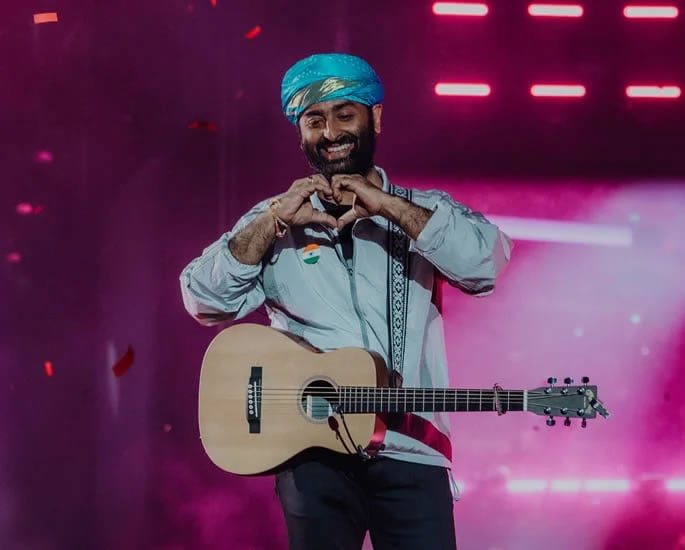
Arijit Singh’s decision also aligns with broader criticism of the Hindi film music industry, which has faced growing scrutiny over fairness, transparency, and creative stagnation.
Despite being among the highest-paid singers of his generation, he has previously questioned the ethical and financial structures underpinning the business.
Speaking on the Music Podcast, he said:
“This entire business is conducted on the back of artists. An artist is not as practical as a businessman.
“But since the business depends on the artist’s work, if everyone feels it’s not fair, then something is wrong. They should be clear about certain things.
“Either pay fairly for the work being done or don’t assign work at all.”
“There are many people who don’t get paid in proportion to the work they put in. Everything is negotiated at the end of the day.
“It’s mostly a verbal discussion. One thing is discussed, the work becomes something else, and the payment turns into something entirely different.”
These remarks highlight long-standing concerns around verbal agreements, payment inconsistencies, and artist treatment.
In contrast, independent music allows musicians to retain ownership of their work, control distribution, and define their creative direction.
Many singers and composers have already diversified income streams beyond film projects, with Singh’s decision representing a more decisive shift away from traditional playback structures.
Artist-First Music

Arijit Singh’s influence extends far beyond cinema.
He is currently the most-followed artist on Spotify, with 171 million followers and 58 million monthly listeners, and has remained India’s most-streamed artist for seven consecutive years.
These figures place him among the most globally followed musicians, reinforcing his reach beyond film audiences.
And with high-profile collaborations with the likes of Ed Sheeran, the wider music industry reflects similar trends.
Dhruvank Vaidya, Spotify India’s Head of Music and Podcast, said:
“India primarily used to be a very film-music-first industry, and for the longest time, that was the genre that dominated.
“But for the last 5 years, we have seen artist-first music grow a lot.”
“Recently, an EY report suggested that 5 years ago almost 80% of the music being consumed was from films, and now that has gone down to 60%, with the remaining being artist first.”
These statistics indicate a measurable shift in listening habits and industry economics.
Independent artists across genres now command significant streaming numbers, while mainstream films increasingly integrate non-traditional voices.
A recent example includes the title track of Dhurandhar, a film that earned over Rs. 1,200 crore worldwide, featuring an Indian rapper – an outcome that would have seemed unlikely five years ago.
Arijit Singh’s exit from playback music could mark a defining moment for Indian music.
For global audiences, his next steps may appear as another high-profile project. For listeners familiar with his discography, the decision represents an artist consolidating creative authority and shaping his own legacy outside playback conventions.
His decision reflects larger industry movements and could lead to other Indian artists quitting the world of playback music.
As Indian music continues to expand beyond film soundtracks, Arijit’s shift stands as a sign of how established voices are adapting to, and influencing, the future of the industry.