

















































"We consistently look for new ways to improve the security"
Asda has rolled out live facial recognition technology in five of its UK stores as part of a two-month trial aimed at improving safety for both staff and customers.
The initiative, which began on March 31, is being conducted in stores located in Ashton, Chadderton, Eastlands, Harpurhey, and Trafford Park, all based in Greater Manchester.
The supermarket chain has stated that the trial is part of its strategy to tackle rising levels of retail crime.
In 2024, Asda recorded more than 1,400 assaults on its store staff, which is an average of four per day.
This alarming statistic mirrors a wider trend, with the British Retail Consortium (BRC) reporting more than 2,000 incidents of violence and abuse against shop workers daily, a threefold increase since 2020.
Liz Evans, Chief Commercial Officer, Non-food and Retail at Asda, said:
“The rise in shoplifting and threats and violence against shopworkers in recent years is unacceptable and as a responsible retailer, we have to look at all options to reduce the number of offences committed in our stores and protect our colleagues.
“We consistently look for new ways to improve the security in our stores and this trial will help us understand if facial recognition technology can reduce the number of incidents and provide greater protection to everybody in our stores.”
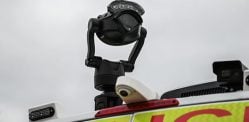
The technology is integrated into Asda’s existing CCTV network.
It works by scanning the faces of individuals entering the store and comparing them against a database of known offenders who have previously committed criminal activity in Asda locations.
If the system detects a match, a member of Asda’s security team will verify the information and alert store staff within seconds.
The trial will last for an initial period of two months, after which the company will assess the results before deciding whether to extend the trial or expand it to additional locations.
While Asda argues that the technology could reduce crime and improve safety, its use has sparked concerns about privacy.
Critics argue that facial recognition technology raises serious questions about surveillance, data security, and consent.
On social media, many stated they would boycott Asda if live facial recognition technology became permanent in stores.
One wrote: “I will no longer shop at Asda supermarkets if you continue to use this rights-abusive surveillance tech.”
Another believed: “Asda stores are trialling facial recognition of their customers.
“That’s okay so long as people consent so it must be made clear.
“I suspect, however, they’ll disguise it because it’s obvious most people would choose to shop at a store that doesn’t attempt to ID them.”
However, one person highlighted the technology’s benefits:
“These cameras don’t record data, think of how much data storage they’d need for 1,106 stores.
“They’re here to help with £2 billion worth of shop theft which at the end of the day is a cost on all of us.”
In the context of growing concerns over privacy, the trial is part of a wider conversation about the balance between security and personal freedoms.
The use of facial recognition technology is becoming increasingly common across various sectors, but it is not without controversy.
Privacy advocates warn that the technology could lead to intrusive surveillance and the potential misuse of personal data.
Asda’s trial raises important questions about the role of technology in our daily lives.
While the company’s goal is to protect staff and customers, the public must also consider the broader implications of using facial recognition in public spaces.