













































"It was basically a training centre for culture, art, music and dance."
For generations, Lahore’s Heera Mandi has been associated with prostitution, scandal and the lives of women working within its historic red light district.
But beneath this reputation lies a much older history of music, dance, poetry and artistic expression.
Local figures shared a view beyond the reputation often attached to its name.
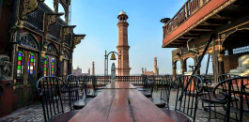
Situated within Lahore’s historic Walled City, Heera Mandi has undergone significant changes across different periods of South Asian history.
Its identity has been shaped by Mughal patronage, Sikh rule, British colonialism and changing attitudes towards women and the performing arts.
Yet, much of its cultural legacy remains overshadowed by its association with prostitution.
Heera Mandi’s Artistic Heritage
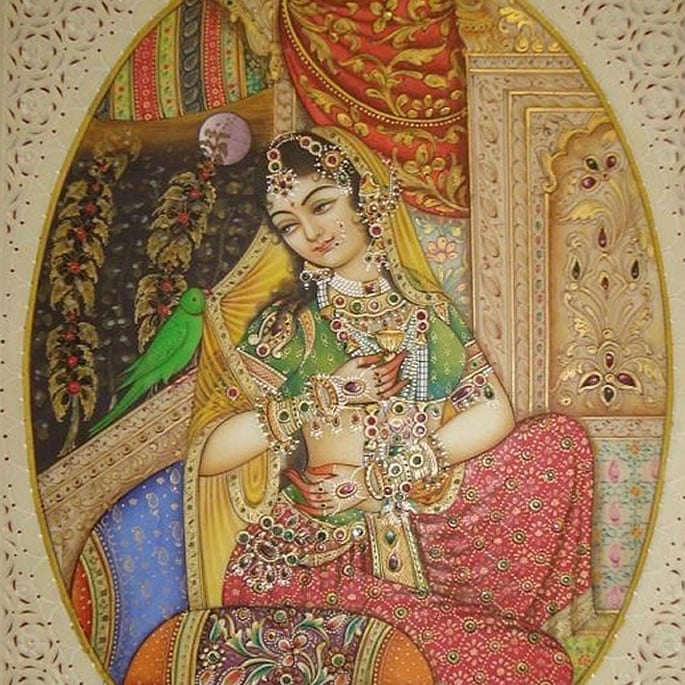
The history of Heera Mandi is closely connected to the courtesan tradition of the Indian subcontinent.
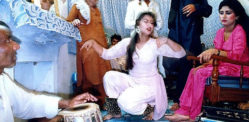
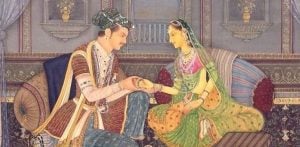
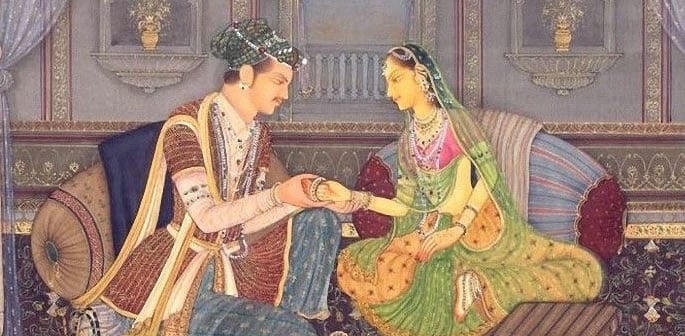
During the Mughal period, the area was associated with accomplished female performers known as tawaifs, who were trained in classical music, dance, poetry and etiquette.
These women were not simply entertainers. Many were highly educated and respected within elite cultural circles. Their establishments became spaces where artistic knowledge and social refinement were cultivated.
Speaking about the neighbourhood’s past history, Sajawal, who holds a bachelor’s degree in journalism from Punjab University and is currently pursuing an MPhil in History, Arts and Cultural Heritage, described its original purpose:
“During the Mughal era, this was not a prostitution area. It was basically a training centre for culture, art, music and dance.”
He also described the neighbourhood as a “nursery of cultural and artistic heritage”. He highlighted its historical importance as a place where artistic traditions were developed and passed between generations.
Sajawal also explained that the area was associated with the education of young men from influential families. These young men were sent there to learn literature and etiquette.
This challenges the simplified image of Heera Mandi as a neighbourhood defined solely by prostitution.
How Colonialism changed Heera Mandi’s Identity
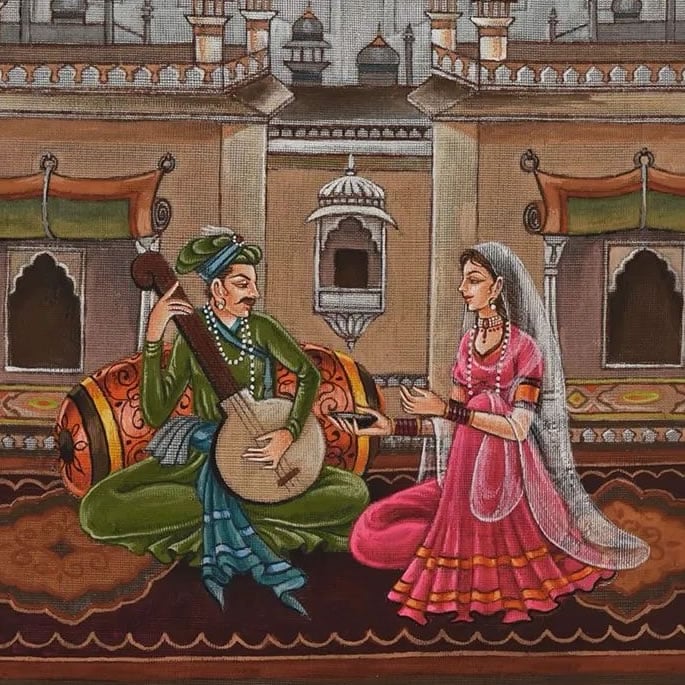
The transformation of Heera Mandi cannot be understood without looking at the impact of British colonial rule.
Following the annexation of Punjab in 1849, traditional systems of royal and aristocratic patronage began to change.
The courtesan tradition, previously associated with artistic accomplishment and elite cultural life, increasingly became subject to colonial moral attitudes.
As established patronage systems declined, the social position of many female performers changed. Their artistic identities were increasingly overshadowed by associations with prostitution.
Sajawal also identified the British colonial period as a significant turning point in the neighbourhood’s history:
“During the British Raj, this area developed as a prostitution place.”
His explanation highlights the distinction between Heera Mandi’s earlier association with music and artistic training. It also contrasts with the reputation that developed during the colonial period.
Tabish Arsalan, an archaeologist and floor manager with an interest in Lahore’s heritage, also discussed the origins of the neighbourhood’s name.
He explained that Heera Mandi was associated with Raja Heera Singh Dogra, who established a grain market in the area during the Sikh period.
Over time, the marketplace became known as Heera Singh di Mandi, eventually shortened to Heera Mandi.
He also emphasised that the neighbourhood had an established identity as a respected marketplace before its association with prostitution.
“During the Mughal period, it was basically a very respected market,” he said, adding that the area had connections to cultural learning and the development of artistic traditions.
Women Performers and the Cultural Legacy Left Behind
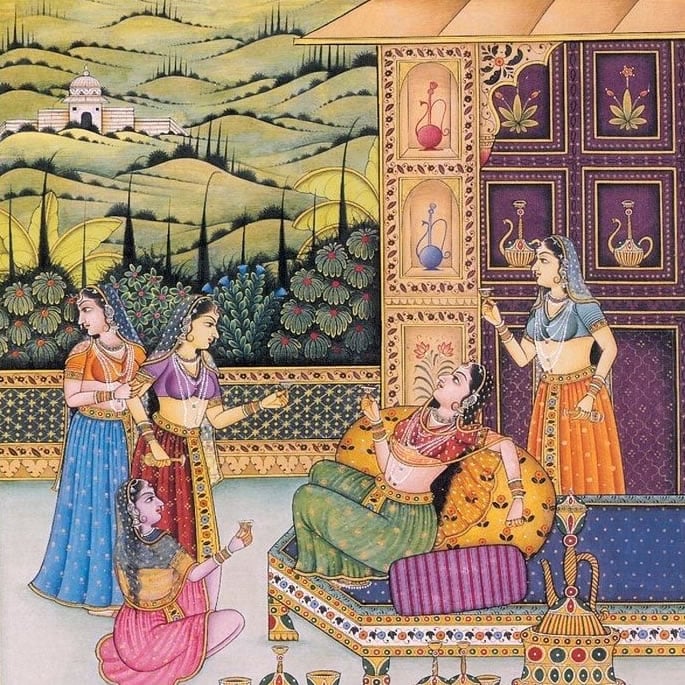
One of the most significant aspects of Heera Mandi’s history is the contribution made by women to Pakistani and wider South Asian culture.
The courtesan tradition helped preserve and develop musical, theatrical and dance practices that influenced subsequent generations of performers.
However, the women behind these artistic traditions have not always received the same recognition as the cultural works they helped create.
On whether Pakistani society tends to separate its cultural heritage from the women who helped produce it, Sajawal reflected on how attitudes towards women and the arts have changed.
He acknowledged that women continue to make important contributions to Pakistan’s cultural heritage and entertainment industry.
Sajawal added: “Our society is very progressive compared with the 1980s.
“Women have a lot of contribution in Pakistani cultural heritage and film industry, for sure.”
His comments point towards the changing visibility of women within Pakistan’s creative industries. They also raise questions about how historical female performers are remembered.
The legacy of tawaifs extends beyond Lahore. Across the Indian subcontinent, courtesans contributed to the development and transmission of classical and semi-classical musical traditions.
Their influence forms part of a much wider South Asian artistic history that deserves recognition. This should be beyond the social labels historically imposed upon them.
Heera Mandi Today
While its history remains significant, Heera Mandi is also a living part of Lahore.
During the conversation, Tabish Arsalan discussed how the neighbourhood’s present-day identity is connected to food, traditional crafts and cultural heritage.
He highlighted the musical instrument shops and handmade footwear available in the area. He also mentioned its wider connection to Lahore’s traditional marketplaces.
He said: “Right now, Heera Mandi is famous for its food, culture and heritage.”
Describing what visitors can find when exploring the neighbourhood today, Tabish said:
“If you visit now, you can see many shops selling musical instruments, and you can purchase beautiful handmade footwear.”
His observations offer another perspective on an area that is frequently discussed through its historical association with prostitution.
Rather than viewing Heera Mandi exclusively through its past, its traditional businesses, crafts and marketplaces demonstrate how it continues. Thus, it still forms part of Lahore’s cultural landscape.
Its identity is therefore not confined to one period or one aspect of its history.
Heera Mandi’s history reflects the complicated relationship between art, gender, social class and morality across South Asia.
The women who once performed within its cultural establishments helped preserve artistic traditions. These traditions continue to influence music and entertainment today.
Yet their contributions have often been remembered through the stigma attached to their social status. This is instead of recognising the skills and cultural knowledge they possessed.
Understanding Heera Mandi requires looking beyond the reputation that has followed it for generations.
Its history is not simply one of prostitution, but also of artistic expression, changing systems of patronage and the women whose work helped shape Lahore’s cultural identity.
For South Asian audiences, revisiting this history offers an opportunity to reconsider whose contributions are celebrated.
It also encourages thought about whose stories are marginalised and how cultural heritage is remembered.