
















































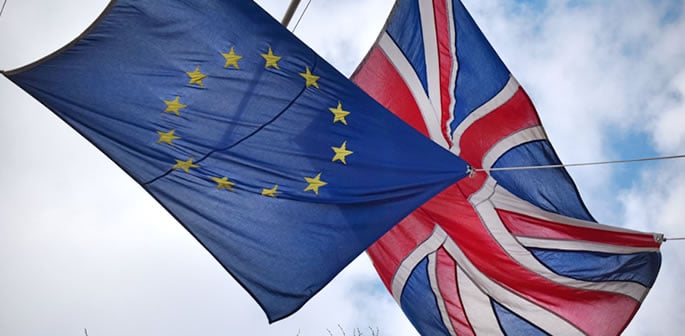
the "single biggest growth measure that we could take"
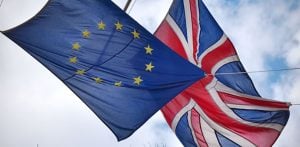
Andy Burnham secured a landmark Brexit reset deal with the EU, with the agreement expected to deliver a £17 billion boost to the UK economy and bring changes.
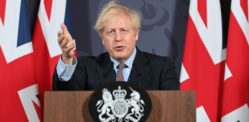
In Brussels, the Prime Minister said the agreement would be “good for working people, good for Britain and good for Europe”.
Burnham described it as the “single biggest growth measure that we could take in this Parliament”.
He also said the agreement would broaden “horizons” for young people and help families facing the cost of living crisis.
The summit saw Burnham and a team of ministers meet Ursula von der Leyen, President of the European Commission, and António Costa, President of the European Council, to agree a series of measures aimed at improving relations between the UK and the EU.
While the agreement does not reverse Brexit, it represents a significant step towards closer cooperation in several areas, including food and drink trade, youth mobility and carbon pricing.
Here are the key aspects of the agreement and what they could mean for you.
Food and Drink
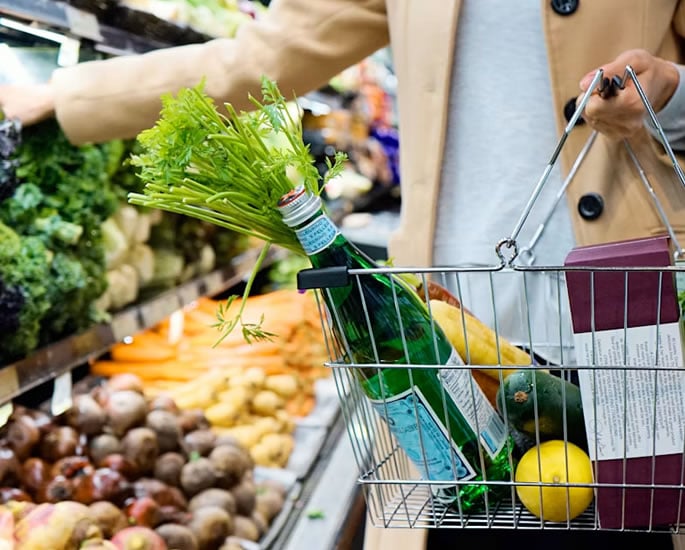
The food and drink agreement is one of the most significant parts of the Brexit reset, with changes to trading arrangements potentially helping to reduce costs for businesses and making a difference to the price of food in supermarkets.
Since leaving the EU, British food producers and retailers have faced additional paperwork and regulatory checks when exporting goods to the bloc.
Businesses have had to complete hundreds of pages of documentation for individual lorry shipments to demonstrate compliance with single market requirements, while veterinary professionals have been required to inspect, sign and stamp relevant certificates.
Burnham highlighted the financial burden this has placed on businesses, pointing out that exporting a single shipment of salmon can cost up to £1,400.
The additional administrative requirements have also contributed to agri-food exports to the EU falling by more than 30% since Brexit.
Under the new agreement, “the vast majority of movements of animals, animal products, plants and plant products” will be able to take place “without the certificates or controls that are currently required”.
This means British producers could once again export certain products that have been restricted from entering the EU since Brexit, including fresh sausages, burgers, seed potatoes and molluscs. According to the joint statement, the aim is to introduce these arrangements from 1 March 2028.
The agreement, known as a sanitary and phytosanitary (SPS) deal, is intended to reduce the costs associated with exporting food and drink, with both sides expecting the changes to benefit businesses and put downward pressure on food prices.
Fewer checks and less paperwork should also help speed up deliveries, reduce transport delays and limit the amount of food wasted during transit.
Von der Leyen said the agreement would bring “easier trade and lower cost” for businesses, alongside “more choice and more affordable food” for consumers.
Burnham added:
“For people who are worried about the cost of the weekly shop, this deal will help.”
However, closer alignment with EU food standards will come with certain obligations for the UK. Under the SPS agreement, Britain will have to update its own food and drink regulations to remain in line with EU rules, a process known as “dynamic alignment”.
Although the UK will have an “early decision-shaping role on EU rules in development”, it will still be required to implement regulations that it has not developed itself and may not necessarily agree with.
There is also a benefit for British pet owners who want to travel to Europe with their animals. The agreement is expected to make it possible to use a multi-use pet passport, removing the need to pay for a separate animal health certificate every time they take their pet abroad.
Visas for Young People
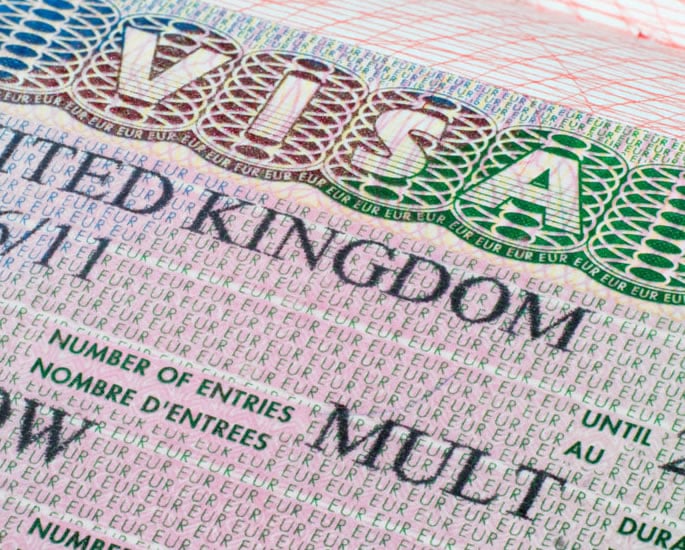
Young people in Britain and across the EU could have greater opportunities to live, work and study abroad under a new Youth Experience Scheme (YES) agreed as part of the reset.
The scheme will allow up to 100,000 EU citizens aged under 32 to move to the UK for up to three years.
During their stay, participants will be able to “engage in activities such as work, studies, au-pairing, volunteering, or travelling”.
The arrangement will work both ways, with the same number of young people from the UK able to travel to EU countries and take part in similar activities.
Burnham said the scheme would improve the “life chances” of young people whose opportunities had been restricted by Brexit, which he said had “limited their horizons”.
A joint statement from the UK and EU said both sides would “aim to apply this agreement no later than 2028 and endeavour to ensure that opportunities under the scheme will be available to our young people no later than January 2030”.
The 100,000 places available to EU citizens will be distributed between member states according to population size. The same principle will apply to opportunities for British participants travelling to Europe.
UK citizens will apply to a specific EU member state but will have the option of moving to another country during their stay. Participants will be permitted to live in up to three different member states over the three-year period.
However, there will be some restrictions on employment. Both the UK and individual EU member states will retain the ability to limit the types of jobs available to participants.
Despite this, both sides have indicated that they want to provide “broad labour market access when the scheme opens”, with most EU countries not currently planning to introduce restrictions on the work British participants can undertake.
Stability for Carbon Prices
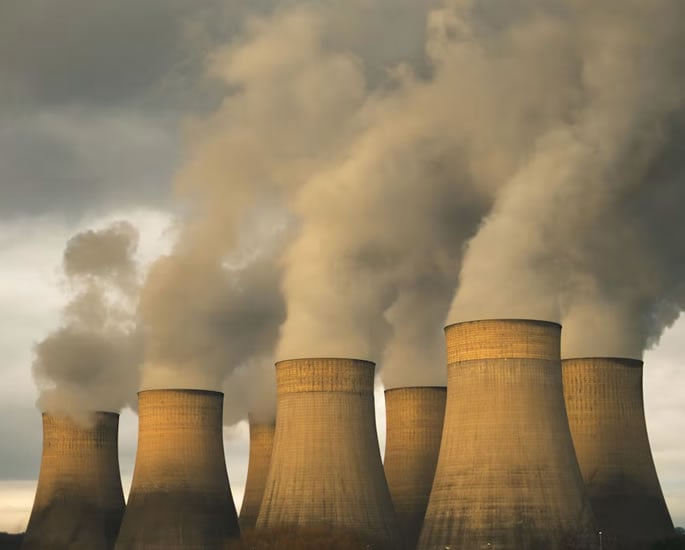
The UK and EU have also agreed to link their respective Emissions Trading Systems (ETS), in a move intended to provide greater certainty for businesses and support efforts to reduce carbon emissions.
The schemes place limits on the amount of carbon that power stations and industrial businesses can release into the atmosphere each year. Companies covered by the systems must purchase and trade emissions allowances if they want to release carbon beyond their allocated limits.
Before Brexit, Britain was part of the EU’s emissions trading scheme but subsequently established its own system after leaving the bloc.
Reconnecting the two systems is expected to benefit British exporters by exempting them from new EU carbon border taxes planned for certain high-emission products, including steel and cement.
The move could also bring greater stability to carbon prices for UK businesses by linking Britain’s smaller system with the much larger EU market. This would make it easier for companies to plan long-term investments and develop strategies to reduce their emissions.
Supporters of the agreement believe the changes could ultimately help bring down costs for businesses and consumers on both sides of the Channel.
However, there could be some short-term financial implications for British companies. The UK currently has a lower carbon price than the EU, meaning closer integration could push up costs for domestic businesses as the two systems become aligned.
Tuition Fees

One of the biggest outstanding issues in the Brexit reset concerns the cost of university tuition fees for British and European students.
The EU has been pressing the UK Government to reduce the fees charged to European students attending British universities, who currently pay international student rates rather than the lower domestic fees available to UK students.
Depending on the university and course, international undergraduate fees can reach £38,000 a year, a significant increase on the rates European students were previously charged before Brexit.
Brussels has called for EU students to regain access to home fee rates, which currently stand at £9,790 a year for students in England. However, this figure is due to increase to £10,050 in the 2027-28 academic year.
Despite efforts to reach an agreement ahead of the summit on November 20, the UK and EU were unable to settle the issue. Both sides have therefore given themselves another six months to negotiate a separate arrangement.
The joint statement said they would “work towards a supplementary agreement” on “tuition fees for EU students in the UK and for UK students in the EU”.
It added: “The agreement will apply to all students from the other party irrespective of the immigration pathway. The aim is to increase opportunities for students to study in each other’s territories.
“We will conclude the negotiations within six months from the date of the summit.”
Von der Leyen expressed optimism that an agreement could be reached, saying she was “confident” the two sides would find a solution on fees. Burnham responded: “Me too.”
Any eventual agreement would be reciprocal, meaning British students attending universities in EU countries could also benefit from lower tuition fees.
However, the potential savings for UK students will depend on where they choose to study.
Tuition fees vary considerably between EU member states and individual higher education institutions, meaning the precise arrangements and costs will only become clear once negotiations have been completed.