



















































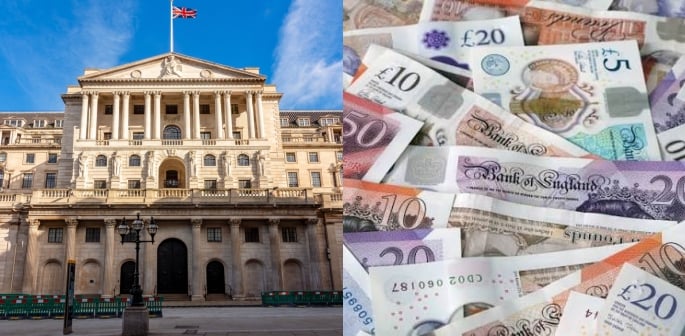
UK inflation reached 3.5% in September 2026
The Bank of England has increased interest rates to 4%, bringing renewed financial pressure for households already dealing with higher living costs.
The decision, announced on November 5, 2026, could affect mortgage holders, first-time buyers, borrowers and savers across the UK.
For British Asian families, the increase raises questions about household finances and saving towards long-term goals.
However, higher interest rates could also benefit some savers through improved returns on savings accounts and Individual Savings Accounts (ISAs).
Understanding what the latest decision means could help households make more informed financial decisions as the economic outlook remains uncertain.
Why Has The Bank of England Increased Interest Rates?
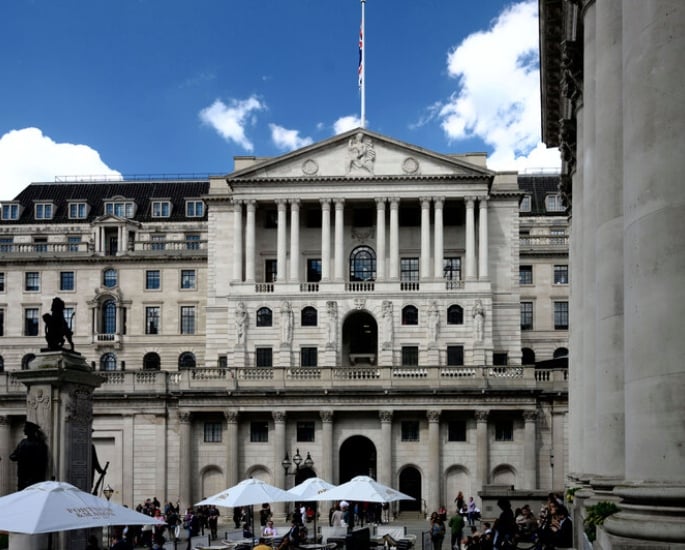
On November 5, the Bank of England’s Monetary Policy Committee voted to raise the base interest rate by 0.25 percentage points, from 3.75% to 4%.
Eight members supported the increase, while one member favoured a larger rise to 4.25%.
The decision came amid continuing concerns about inflation, particularly following rising global energy prices linked to conflict in the Middle East.
UK inflation reached 3.5% in September 2026, above the Bank of England’s 2% target.
The central bank expects inflation to rise further, potentially reaching around 5% by mid-2027.
Higher energy prices have contributed to rising costs for households and businesses, including fuel and utilities.
The Bank of England explained that increasing interest rates should help prevent these higher costs from spreading further throughout the economy.
When borrowing becomes more expensive, households and businesses may reduce spending. This can lower demand for goods and services, helping to slow price increases over time.
However, the decision also creates challenges for people who already have loans, mortgages or other financial commitments.
Governor Andrew Bailey said the increase was necessary because of the inflationary pressures building within the economy.
He also stressed that the decision should not automatically be viewed as the beginning of a prolonged series of increases.
What Does The Increase Mean for Homeowners and First-Time Buyers?

One of the biggest concerns surrounding rising interest rates is the potential impact on mortgage repayments.
For British Asian homeowners, particularly those approaching the end of a fixed-rate mortgage, the latest decision could create additional uncertainty.
People with tracker mortgages are likely to see their payments increase when the Bank of England raises its base rate.
This is because tracker mortgages usually follow the central bank’s rate, adding an agreed percentage on top.
For example, a mortgage tracking the base rate at 1% above it would move from 4.75% to 5% following the latest increase, assuming the lender passes on the full change.
Those on standard variable rate mortgages could also experience higher repayments, depending on how their lender responds.
However, people with fixed-rate mortgages will not automatically see their monthly payments increase.
Their agreed interest rate normally remains unchanged until the end of the fixed period.
The challenge could come when they need to remortgage, particularly if the deals available are more expensive than their current arrangements.
MoneyHelper advises homeowners whose fixed-rate deals are ending within the next six months to explore their options early.
For families managing mortgages alongside childcare, household bills and other financial responsibilities, even relatively small increases can affect monthly budgets.
This is particularly relevant for multigenerational households where several relatives may contribute towards shared expenses.
The increase could also create difficulties for younger British Asians hoping to purchase their first home.
Getting onto the property ladder has already become challenging for many younger people because of high property prices and deposit requirements.
Higher mortgage rates can make borrowing more expensive, potentially reducing the amount lenders are prepared to offer.
Could Higher Interest Rates Benefit People with Savings and ISAs?

Although rising interest rates can create difficulties for borrowers, they could benefit people with savings if banks and building societies increase their returns.
However, providers do not always pass on the full rate increase, making it important for savers to compare available accounts.
One option is an Individual Savings Account, commonly known as an ISA, which allows people to save or invest money without paying tax on the returns.
For the 2026/27 tax year, the annual ISA allowance remains £20,000, covering Cash ISAs, Stocks and Shares ISAs, Innovative Finance ISAs and Lifetime ISAs.
Cash ISAs allow people to earn tax-free interest and can be useful for building emergency funds or saving towards a house deposit.
The October 2026 Budget also confirmed that the planned reduction of the Cash ISA allowance to £12,000 for under-65s from April 2027 would not go ahead.
This means the £20,000 annual allowance will remain available, subject to the overall ISA limit.
However, Stocks and Shares ISAs carry investment risks, as their value can rise or fall and returns are not guaranteed.
Savers should compare interest rates, account conditions and withdrawal restrictions before choosing where to put their money.
What Does the Increase Mean for British Asian Families?

For British Asian families, rising interest rates could add pressure to household budgets, particularly for those managing mortgage repayments, supporting relatives or saving towards major commitments.
Homeowners approaching the end of fixed-rate deals may need to review their options, while those with tracker mortgages should check whether their monthly payments are affected.
Savers, meanwhile, could benefit from comparing Cash ISA rates and other savings accounts to make the most of potentially improved returns.
With the next Bank of England interest rate decision scheduled for December 17, 2026, households will be watching closely to see whether borrowing costs rise further or begin to ease.
The latest increase highlights how changes to interest rates can affect different households, making financial planning increasingly important as the cost of living remains a concern.