














































The pacing swings between too slow and too fast
Nitesh Tiwari’s Ramayana: The Rise of a Legend arrived in cinemas on November 5, 2026, starring Ranbir Kapoor and Sai Pallavi.
Billed as India’s costliest film ever, it is the first half of a two-part retelling reportedly made for $500 million (£370 million).
Rather than beginning with Rama, the film opens with the backstory of Ravana, a rather unique entry into a story which would otherwise be very familiar for the Indian audience. It is a fresh approach. This is the film’s greatest strength and its most frustrating flaw.
Tiwari’s decision to start with Ravana’s origins sets this adaptation apart from the many films and television serials that came before it.
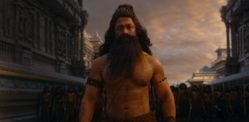
Here, the ten-headed demon king is not simply a villain waiting to be defeated by a God.
This Ravana is a rakshasa who is more enticed by music than by martial arts, which gives him a surprising (but very needed, nuanced) humanity. It is a perspective that mainstream Ramayana cinema has rarely explored.
Yash Steals the Show
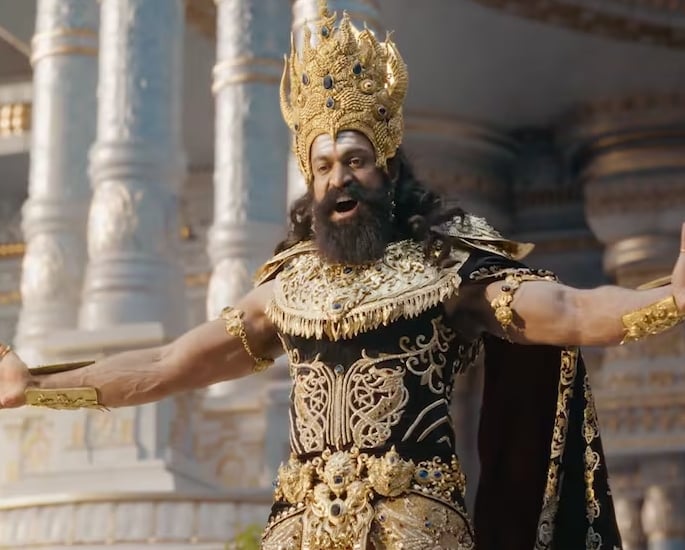
Yash is the film’s undoubted highlight, and he commands every scene he appears in.
His portrayal of Ravana is layered and menacing, and the performance will be talked about as one of the most engaging performances, especially for his first time in Hindi cinema.
Ravana’s story is far more compelling than Rama’s in this epic, especially the post-Ayodhya stretch where our hero’s journey loses momentum.
Whenever the film cuts away from Lanka, you can feel the energy drop.
Another one of the most welcome changes is Sai Pallavi’s Sita, who is far from the damsel-in-distress of past adaptations. She is a warrior in her own right, wielding a sword alongside Rama as they fight the rakshasas.
This fresh take feels long overdue and gives modern audiences a princess they can genuinely root for. It is a shame, then, that the performance itself does not fully land.
Sai Pallavi looks somehow uncomfortable in her role, unable to capture the essence of Sita.
Surprisingly, the audience backlash about the casting choices fits this movie, as Sai just doesn’t look grand enough, despite her performance.
Grandeur Despite the Flaws
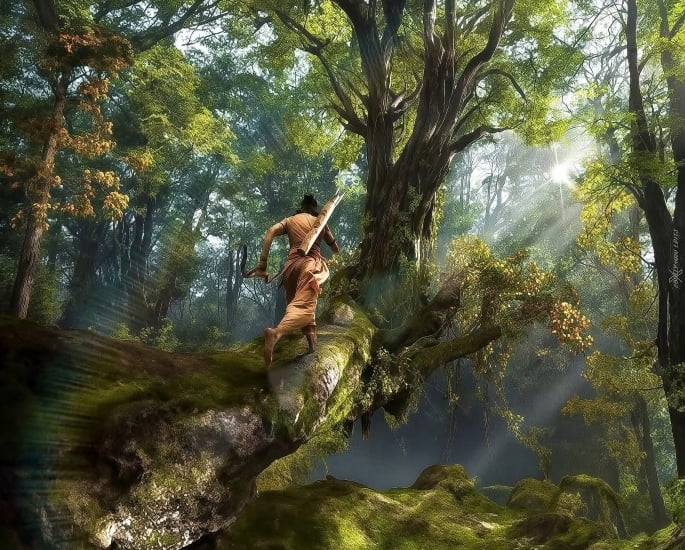
Despite the weak CGI, the film does capture the grandeur of the epic. The Ayodhya set is beautiful, and Lanka is equally impressive in its scale and design.
The fight scenes are a genuine pleasure, staged with energy and clarity. They are among the moments where Tiwari’s ambition and the film’s enormous budget are most visible on screen.
The supporting cast also deserves praise, including Ravi Dubey as Lakshmana, who brings warmth and loyalty to the role.
Rakul Preet as Surpanakha is a pleasant surprise, as she does not naturally embody the essence of a rakshasa warrior, yet she makes the role work.
An Uneven Screenplay
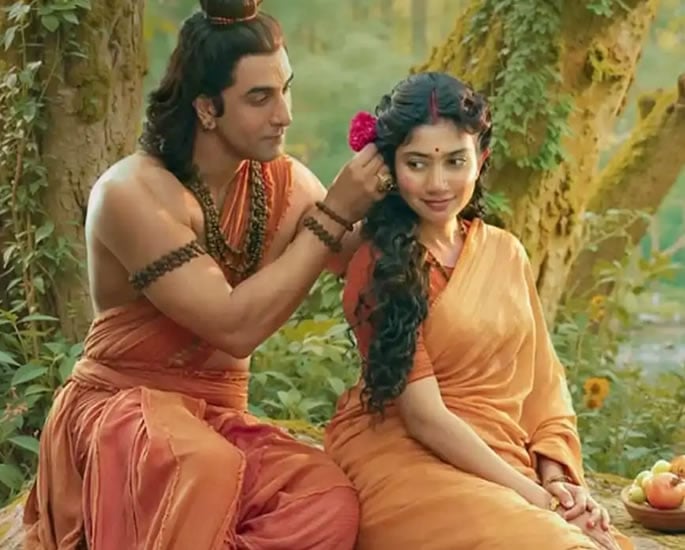
The biggest problem is a wildly uneven screenplay. The opening moves at breakneck speed, and in places where heavy emotion is needed, the storytelling falls flat.
We never get enough time with Rama and his brothers to understand their bond.
As a result, Bharat travelling to the forest to meet Rama after Kaikeyi evicts him from Ayodhya is hard to relate to or empathise with.
The pacing swings between too slow and too fast, sometimes within the same sequence. Because we barely connect with the characters early on, the story does not justify being stretched across a first part.
The exile scene is a prime example, as it should have been far grander than it ultimately was. A pivotal moment in the epic passes without the weight it deserves.
Rama Lacks His Moment
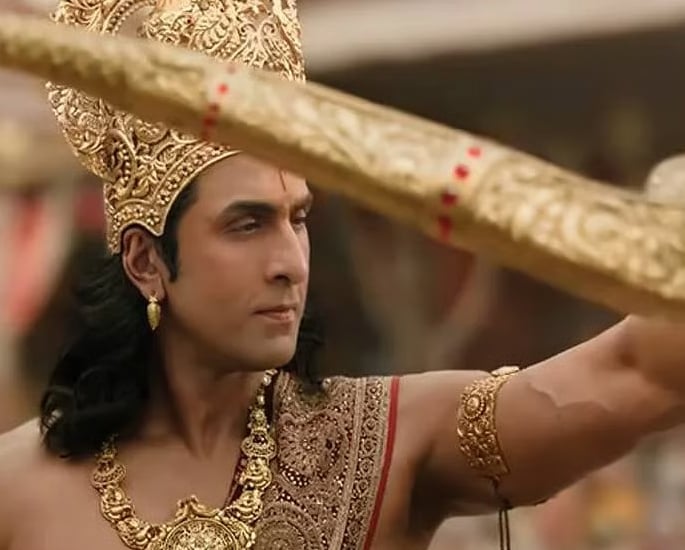
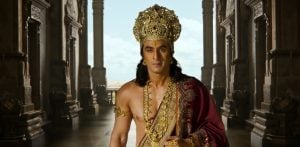
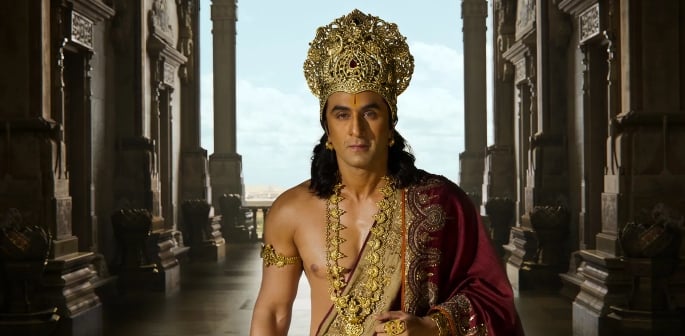
Ranbir Kapoor and Sai Pallavi are fine, but neither quite captures the divinity their roles demand.
They come across as cardboard-like, and there is very little chemistry between them. The forced dialogue trying to establish the bond between them comes off amateurish and doesn’t help with the fact that we don’t get attached to the characters enough.
Unlike Baahubali and KGF, this film spends little time establishing Rama’s greatness. It paces itself too quickly for us to grasp just how huge and divine he is meant to be.
The movie seems to be written for an audience which is already familiar with and invested in the epic and its characters, and so expects them to take certain things for granted.
Rather than giving us proper development to establish Rama as the hero and Ravana as the villain, we dive right into spectacle with these basic facts of character development taken as an assumption.
For an international release, that is not a wise choice.
Audiences unfamiliar with the story are given little reason to invest in Rama’s side, and little context for why we shouldn’t sympathise with Ravana, who is first depicted in the movie as boldly freeing his people from abject oppression and poverty.
The film leans on prior knowledge rather than earning the emotion it wants us to feel.
Disappointing CGI and Music
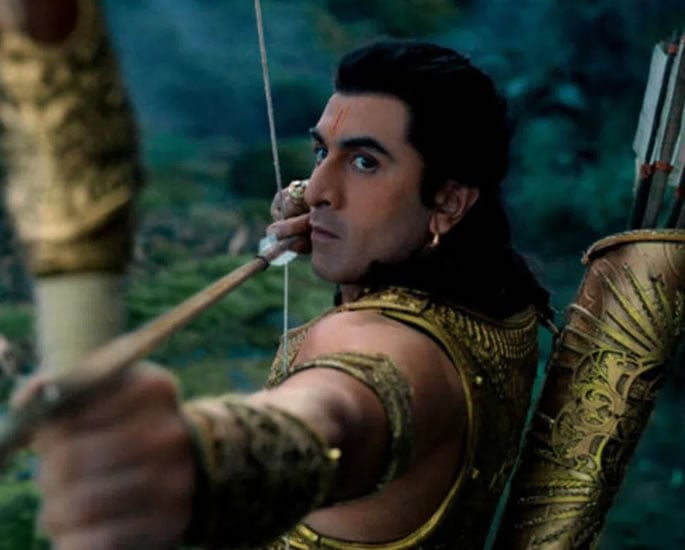
The CGI falls short in too many areas. For a lavish retelling reportedly costing £370 million, the CGI animals and the CGI Kumbhakarna are especially disappointing.
The music is another letdown, particularly with the dream team of Hans Zimmer and A.R. Rahman involved. Expectations were sky-high, and the soundtrack falls well short.
The use of AI to adjust the actors’ lip movements for the English-language version has also drawn criticism, according to the BBC. Tiwari said the technique was intended to make the film more accessible to international audiences.
One critic likened the result to “exaggerated mouth movements superimposed on still images for comedy sketches”. It is a damning comparison for a film that asks us to take its gods and demons seriously.
Not every viewer shares these reservations.
Rohan from DESIblitz, who also saw the film, called it “visually striking, emotionally engaging and rooted in themes that remain profoundly relevant today”.
It is a generous verdict, and it suggests the film’s reverence for the epic will resonate most with devoted fans. Whether newcomers feel the same is another matter.
Ramayana: Part 1 is a visually ambitious film with moments of real brilliance, led by Yash’s commanding Ravana. Its fresh ideas and its warrior Sita deserve credit.
However, an uneven screenplay, underwhelming music, patchy CGI and a lack of emotional depth hold it back.
Everything now rests on whether Part 2 can finally give Rama the grandeur he deserves.
If you love the epic, the film is still worth seeing on the big screen for its sets and action sequences. Just go in expecting an ambitious but flawed first chapter rather than a definitive adaptation.
Watch DESIblitz’s Exclusive Interview with Ranbir Kapoor, Sai Pallavi & Yash