



















































"The improving momentum in the UK."
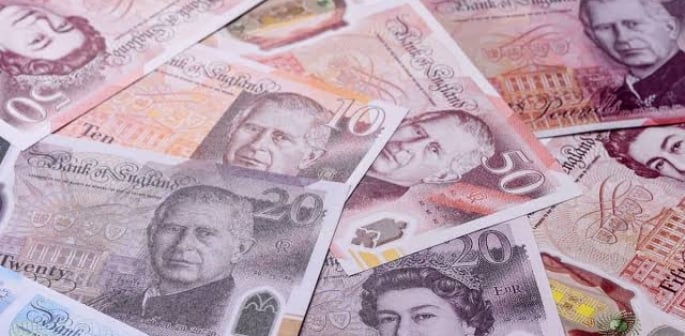
The pound has risen to its highest overall level since the Brexit referendum in 2016, marking a significant improvement in the value of Britain’s currency over the past decade.
Sterling has strengthened against major international currencies in recent weeks, particularly the US dollar and the euro, as markets anticipate a possible increase in UK interest rates.
The latest figures show that the pound’s value against a basket of 18 major global currencies reached 86.4 this week. The index uses 100 as the benchmark value recorded in 2005.
This represents the joint highest level since the UK voted to leave the European Union in June 2016.
The pound experienced a significant decline following the referendum, with further falls during the Brexit negotiations, the Covid-19 pandemic and the 2022 mini-Budget.
However, recent developments have contributed to a more positive outlook among some currency traders.
Factors including relative political stability, stronger economic growth and improving relations between the UK and the European Union have helped support sterling’s recent performance.
Jim O’Neill, an economist and former Treasury minister, said: “I’m not surprised. People were, and to a lesser extent, are, underestimating the improving momentum in the UK.”
A stronger pound can bring several benefits for consumers and businesses, particularly when purchasing goods from overseas.
It can make imported products cheaper and help reduce inflation by lowering the cost of goods and materials brought into the country.
British holidaymakers travelling abroad could also benefit from improved exchange rates, potentially receiving more foreign currency when converting their money.
The UK economy has performed better than expected during the first part of 2026, although rising energy and fuel prices have recently affected consumer confidence.
The Bank of England’s Monetary Policy Committee is also facing an important decision on interest rates, with financial markets widely anticipating the first increase in three years.
Interest rate changes can influence the pound’s value because higher returns on UK savings and investments may attract international investors.
Against the US dollar, sterling was trading at $1.3495, representing a 0.13% increase as of 04:15 GMT on Thursday, November 5.
However, it was down 0.16% against the euro, trading at €1.1979.
The latest movement highlights the changing economic outlook for Britain, with currency performance remaining closely linked to interest rates, economic growth, and international confidence.
The coming months will show whether sterling can maintain its recent gains as the UK navigates changing economic conditions and uncertainty over future interest rate decisions.