
















































Prices vary widely by brand, dose, provider and delivery charges.
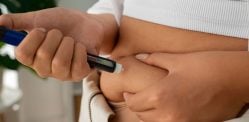
Weight-loss injections have moved from celebrity conversations into British pharmacies, GP surgeries and family WhatsApp groups.
Mounjaro and Wegovy promise significant weight loss, but getting a prescription is not as simple as asking for a jab.
There are NHS eligibility rules, private costs and side effects that can make everyday life uncomfortable. Some risks are rare but serious.
And in 2026, tablets became available in the UK.
Here is what GLP-1 treatment actually involves, from the first appointment to what happens if you stop.
What Are GLP-1 Medicines and How Do They Work?
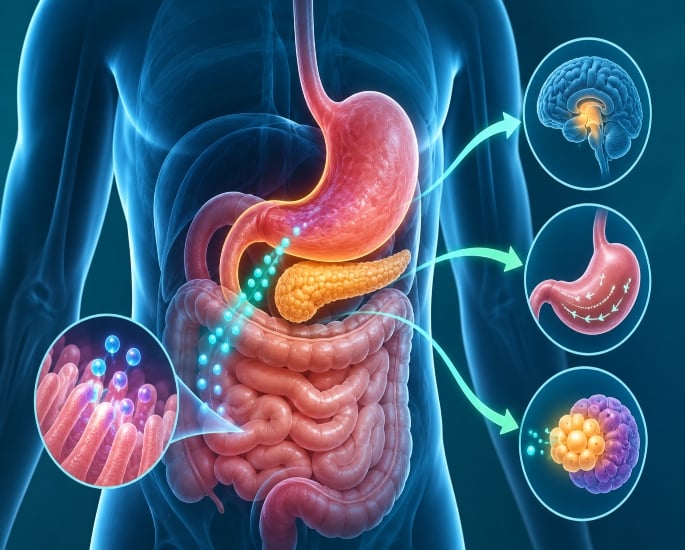
GLP-1 stands for glucagon-like peptide-1, a hormone released by the gut after eating. It helps regulate blood sugar, signals fullness and slows the movement of food through the stomach.
Medicines that mimic its action can reduce hunger and help people eat smaller portions. They do not burn fat directly or work without changes to eating habits.
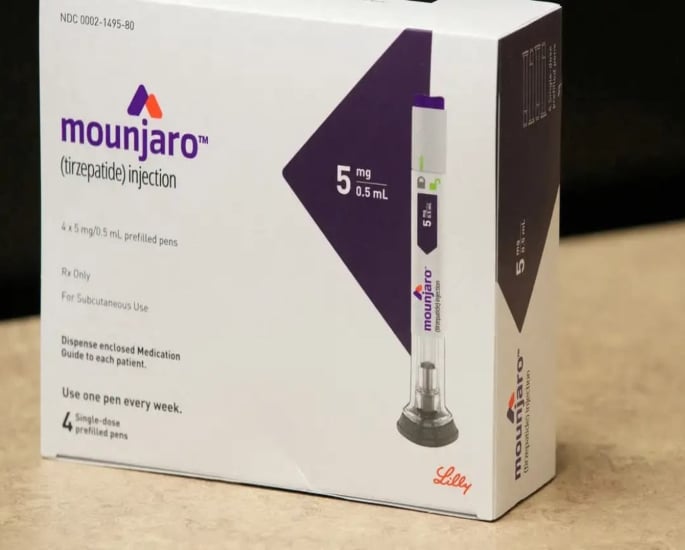
Mounjaro contains tirzepatide, which acts on two hormone pathways, GLP-1 and GIP. Wegovy contains semaglutide and acts on GLP-1 alone.
Both can be effective treatments for obesity, which is a long-term medical condition rather than simply a failure of willpower.
Which GLP-1 Drugs Are Available in Britain?
The names are easy to confuse.
Wegovy is semaglutide licensed for weight management, while Ozempic and Rybelsus contain semaglutide but are primarily licensed to treat type 2 diabetes.
Mounjaro is licensed for both diabetes and weight management. Saxenda, containing liraglutide, is another weight-management injection.
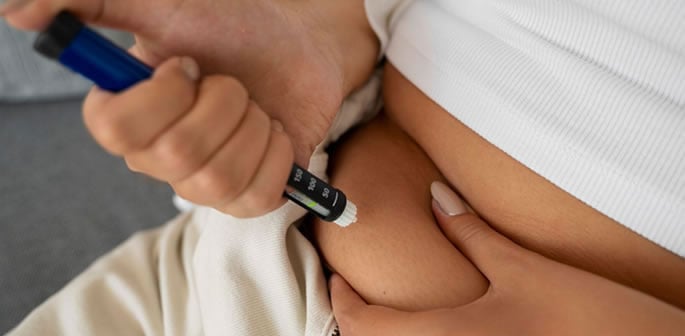
Most established weight-loss injections are taken weekly, although Saxenda is injected daily. Doses normally increase gradually under supervision to improve tolerability.
The choice expanded in 2026.
On 11 June, the Medicines and Healthcare products Regulatory Agency (MHRA) approved a daily Wegovy tablet for weight management. It became available privately but was not approved for NHS use at launch.
On 10 August, the regulator also authorised orforglipron, marketed as Foundayo, for weight management and type 2 diabetes.
Authorisation does not automatically mean NHS funding or immediate pharmacy availability.
All these medicines require a prescription.
How Much Weight Can People Lose?

Clinical trials provide a useful guide, not a personal guarantee.
In a major semaglutide study, participants lost an average of 14.9% of their starting body weight after 68 weeks, compared with 2.4% in the placebo group.
Both groups received lifestyle support.
A separate tirzepatide trial reported average losses of 15% to 20.9% over 72 weeks, depending on the dose, compared with 3.1% with placebo.
Results vary with medical history, dose, side effects and how long treatment continues.
A headline percentage also says nothing about whether someone feels well, maintains muscle or can afford ongoing treatment.
Can You Get GLP-1 Treatment on the NHS?
Yes, but NHS treatment for obesity is restricted.
Rules for type 2 diabetes are different, and access across England, Scotland, Wales and Northern Ireland is not identical.
In England, Wegovy injections are generally supplied through specialist weight-management services to people meeting NICE criteria.
These generally involve a BMI (body mass index) of at least 35 with a weight-related condition, or a BMI of 30 to 34.9 where additional specialist-service criteria are met.
Mounjaro is being introduced in stages because the NHS cannot offer it to everyone who qualifies at once.
Under the 2026/27 primary-care phase, priority includes people with a BMI of at least 35 and four qualifying conditions.
These include high blood pressure, abnormal blood fats, obstructive sleep apnoea, cardiovascular disease and type 2 diabetes.
Earlier priority covered a BMI of at least 40 with four such conditions.
There is an important distinction for South Asian patients.
NICE recognises that weight-related health risks can develop at lower BMIs in some ethnic groups.
Relevant NHS thresholds are generally reduced by 2.5 BMI points; for example, 35 becomes 32.5.
This adjustment does not guarantee a prescription.
A GP can discuss assessment and referral, but local availability, clinical suitability and funding rules still matter.
What Does Private Treatment Cost?
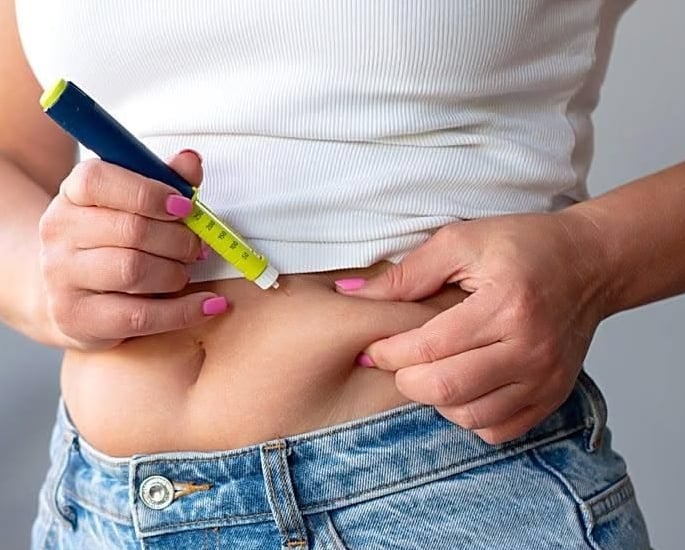
Private pharmacies and online clinics can prescribe eligible patients after an assessment.
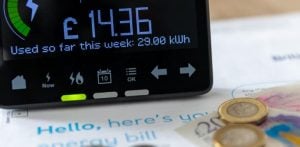
Prices vary widely by brand, dose, provider and delivery charges.
A four-week supply of Mounjaro can cost well over £100 at a starting dose and several hundred pounds at higher doses.
Introductory discounts may disappear after the first order. Follow-up appointments, needles or other services may cost extra.
Check that the pharmacy is registered with the General Pharmaceutical Council, and expect questions about your medical history and other medication.
The MHRA warns against buying pens through social media, salons or sellers offering treatment without a proper consultation.
Counterfeit products may contain the wrong ingredients or doses.
What Are the Most Common Side Effects?

The stomach usually bears the brunt.
Nausea, vomiting, diarrhoea, constipation, bloating, reflux and abdominal discomfort are widely reported, particularly after starting treatment or increasing the dose.
Some users also experience fatigue, headaches, injection-site irritation or hair shedding.
Rapid weight loss and inadequate nutrition may contribute to hair loss.
Side effects often settle, but persistent vomiting is not something to push through.
It can cause dehydration and, in severe cases, kidney problems.
Eating smaller meals, avoiding rich foods when feeling sick and drinking enough fluid may help.
A prescriber can decide whether to delay a dose increase or change treatment.
Never raise the dose yourself to speed up results.
Low blood sugar is a particular concern when these drugs are combined with insulin or certain diabetes tablets.
Anyone taking those medicines needs a clinician to review their treatment.
Which Serious Risks Should Patients Know?

In January 2026, the MHRA strengthened warnings about acute pancreatitis, an uncommon but potentially dangerous inflammation of the pancreas.
Severe, persistent stomach pain, sometimes spreading to the back and accompanied by vomiting, requires urgent medical assessment.
Rare cases have been severe or fatal.
Gallstones and gallbladder problems can also occur. Severe dehydration, allergic reactions and changes in vision need attention.
In February 2026, the MHRA highlighted a very rare optic nerve condition, NAION, associated with semaglutide.
Sudden partial or complete sight loss requires immediate medical help.
Because GLP-1 medicines slow stomach emptying, patients must tell anaesthetists before surgery or procedures requiring deep sedation.
Food can remain in the stomach despite fasting, creating an aspiration risk.
Do not stop medication before an operation unless the clinical team advises it.
If your tongue or throat swells or you struggle to breathe, call 999.
Suspected side effects can also be reported through the MHRA Yellow Card scheme.
What Happens When You Stop Taking GLP-1s?
Appetite often returns when treatment ends.
In a follow-up to a semaglutide trial, participants regained roughly two-thirds of their previous weight loss within a year of stopping the drug and lifestyle intervention.
That does not mean everyone will regain the same amount.
It does mean planning for maintenance should begin before treatment stops.
Protein-rich meals, adequate fibre, resistance exercise and ongoing support can help protect muscle and maintain healthier habits.
These are medical treatments, not quick fixes for an upcoming wedding or holiday.
For UK patients, the sensible starting point is a conversation with a qualified prescriber about eligibility, benefits, costs and risks.
The right decision depends on your health, not somebody else’s before-and-after photograph.