













































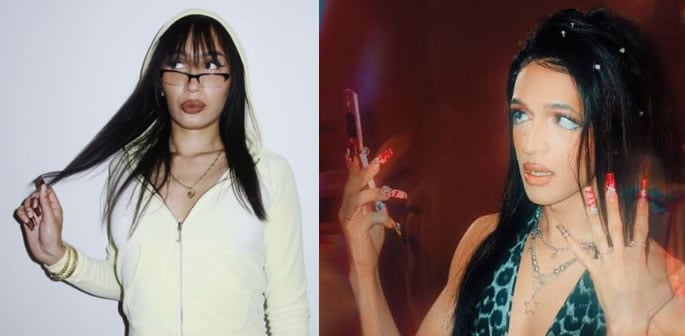
“Mind you, she said this because I'm Pakistani.”
For many trans people, understanding their identity is only part of the journey. Finding acceptance can be another challenge entirely.
Family expectations, cultural traditions and social attitudes can all shape how someone experiences their identity. For transgender people from South Asian backgrounds, these pressures can be particularly complicated.
Conversations around gender and sexuality often remain sensitive within traditional communities. Yet a growing number of trans women are using social media, music and personal storytelling to challenge these attitudes.
Alien, BJ Lips and Mya Mehmi are among those bringing greater visibility to trans experiences. Their stories raise important questions about identity, relationships and belonging.
Alongside their experiences, queer voices such as Jada offer another perspective. They highlight how race, sexuality and cultural expectations can overlap.
Being Trans and Pakistani

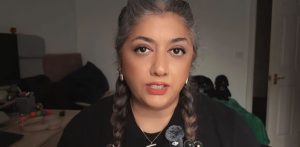
For @notalienanddiva, who goes by the TikTok handle Alien, navigating life as a trans woman also means dealing with assumptions about her Pakistani identity.
Through social media, she has spoken about being judged for her appearance and gender expression. She has also challenged the idea that being trans makes someone less connected to their cultural roots.
In one post, she questioned why people accused her of trying to appear white because she is trans.
She wrote: “Then you’re confused about why someone told me that I’m trying to act white because I’m trans, as if you cannot be Pakistani and not cis.”
Her words challenge the assumption that cultural identity and gender identity cannot exist together.
Alien has also discussed colourism and feeling excluded from her own community. In another post, she wrote:
“Who knew that being pale as a Pakistani person would have you outcasted from your entire family more than being trans did?”
She has described feeling caught between conflicting expectations of appearance and identity.
In one post, she summed this up as, “too pale to be Pakistani, too trans to be a woman, too skinny for social media”.
These experiences show how identity can become something others feel entitled to question.
Alien has also spoken about difficult family dynamics. In one post, she described her mother’s response to a disagreement about gender and family treatment.
She wrote: “The concept of my own mom calling me biologically male as a comeback after I called her out for treating me and my sisters negatively compared to my brothers.”
Her experiences highlight how family acceptance can be complicated. Cultural and religious identity do not automatically guarantee understanding.
Relationships, Marriage and being Trans
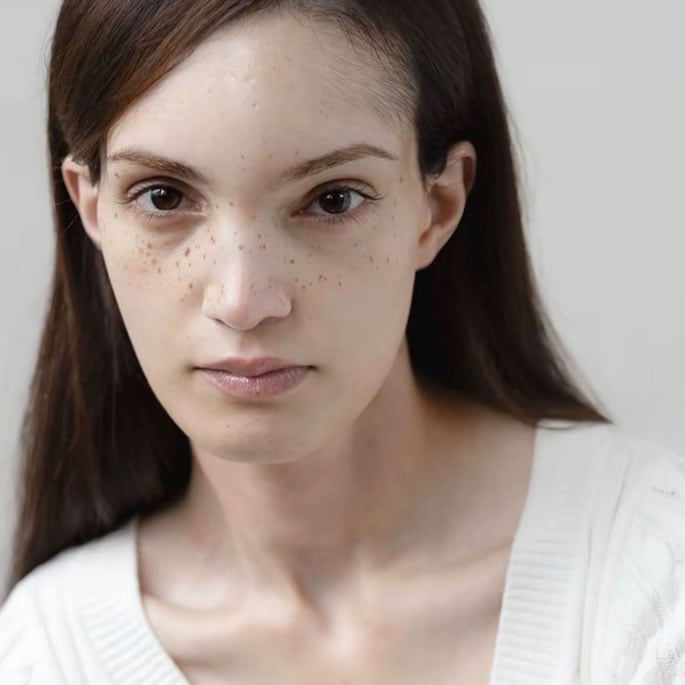
Alien has also used social media to discuss relationships and marriage.
In a get-ready-with-me video, she spoke about getting married and divorcing at just 21, offering a glimpse into the challenges of navigating relationships at a young age.
One post referred to her experience of divorce:
“Me after finding out my ex-husband was plotting with his lawyer to have judges rule against me in our divorce because I’m trans.”
It raises questions about the vulnerability trans people can face during relationship breakdowns.
Dating and intimacy can bring additional pressures for trans women. These may include disclosure, acceptance and the fear of being rejected.
Some may also experience relationships where they are accepted privately but not publicly. This raises wider questions about attraction, stigma and the treatment of trans partners.
Alien’s content also highlights how racism and gender identity can overlap. Responding to an insult about her appearance, she said:
“Mind you, she said this because I’m Pakistani.”
She has also discussed her mother’s reported preference for her to claim a different nationality. Alien wrote:
“The way my Pakistani mom wants me to actively lie that I’m Russian because I pass as white.”
Together, these posts reveal the pressures of navigating gender, race and cultural belonging.
Finding Visibility through Music
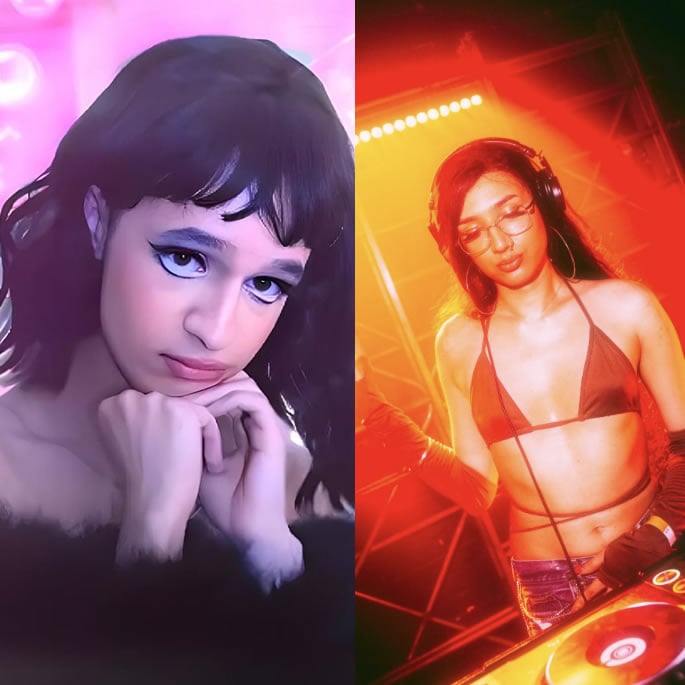
While Alien uses social media to discuss her experiences, other Pakistani trans women are creating visibility through music.
BJ Lips is a Pakistani trans woman and artist whose music has gained attention online. She has built a following of around 76,000 people.
Her music-related content has also attracted more than 2.2 million views.
Her visibility is significant in a cultural landscape where discussions around transgender identity can remain sensitive.
British-Punjabi artist Mya Mehmi has also used music and social media to express herself.
One of her posts responded to the suggestion that her mother must have disowned her. Posting a video of herself dancing with her mother, Mya sarcastically featured the words:
“Oh, your mom must have disowned you.”
The moment offered a different picture of family relationships. It also challenged the assumption that being trans always leads to rejection.
Placed alongside Alien’s experiences, Mya’s post highlights an important point – there is no single South Asian trans experience.
Some people face rejection from their families. Others may find acceptance and support at home. Both experiences deserve recognition.
Race, Sexuality and the Experience of Being Desired
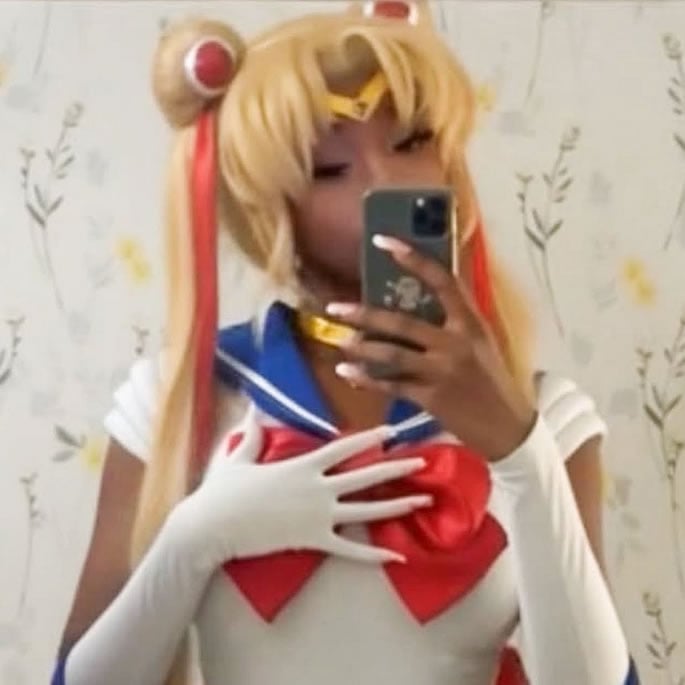
The conversation around identity also extends beyond South Asian communities.
Jada Dior, a Chinese-Jamaican person who identifies as non-conforming, shared her experiences of navigating race and sexuality:
“For many years, it has been difficult to navigate different spaces for me, regardless of any mixed or quote-unquote exotic features, because to the world I am black first, then I am gay.”
She explained that combining these identities can create uncomfortable conversations within her community.
Jada also highlighted the stigma surrounding different expressions of sexuality and identity:
“Especially being Caribbean, it’s still very shunned upon, but it takes people to break the mould and set the tone, and I’m not going anywhere.”
Her comments highlight how discrimination can take different forms. People may face judgment because of both their race and sexuality.
When asked whether people of colour face additional challenges, Ebony also discussed racism and fetishisation:
“People of colour face the hardest challenges because we also have to face racism and fetishisation from non-POC people.
“We are also the least desired statistically, but we are also the most imitated and influential. So how does that work? We are offered the same opportunities and experiences when it comes to non-POC.”
Her response raises an important question about how people of colour are perceived.
They can face exclusion while their appearances, cultures and expressions are celebrated or imitated. This creates a complicated relationship with visibility and desirability.
Exploring Relationships across Cultural Boundaries
Jada also reflected on her experiences with men from different ethnic backgrounds. This included relationships and interactions with brown men.
“Most of the men that approach me are of ethnic minority backgrounds, and I’ve had experiences with a few men from different parts of the world, and I always wonder why that is. But I honestly don’t know.”
She was careful not to generalise about South Asian communities. Instead, she discussed the shared challenges faced by people exploring their identities.
“A lot of the similarities I see are the people that are still exploring and navigating themselves in a world that is not so accepting and very critical.”
Jada also touched on men who keep aspects of their sexuality private. These men are often described as being ‘DL‘:
“We always talk about DL men, but there is a safe space, if not with family and friends, who can share their experiences and find out what they like and don’t like.”
Her comments point to the importance of creating spaces for honest conversations. People should be able to explore their feelings without immediate judgment.
Jada also described facing criticism from men within her own community:
“I’m often criticised by men, mostly from my own community, who try to condemn me with religion and hurl slurs at me, but that is their own internal fight and those opinions have nothing to do with me.”
She was also clear about the limits of her perspective. Jada did not want to speak on behalf of South Asian people.
Her response reinforces the importance of listening to individual experiences. No one person can represent an entire community.
The experiences shared by Alien, BJ Lips, Mya Mehmi and Jada show why these conversations matter.
Trans identity cannot be reduced to a single experience. Family relationships, cultural background, race and sexuality can all shape someone’s journey.
For some, the struggle involves gaining acceptance from relatives. For others, it means navigating relationships, discrimination or public scrutiny.
Music and social media can create opportunities for visibility. However, being visible does not always mean being accepted.
Someone may receive support online but still experience prejudice in their personal life. This distinction is important when discussing the realities of trans identity.
South Asian conversations around gender and sexuality need to make room for different experiences. People should not have to choose between their cultural heritage and their identity.
Nor should love, intimacy, and relationships come with the expectation of hiding who someone is.
Ultimately, these conversations are about more than acceptance. They are about allowing people to live openly, form relationships and belong without constantly having to justify themselves.