

















































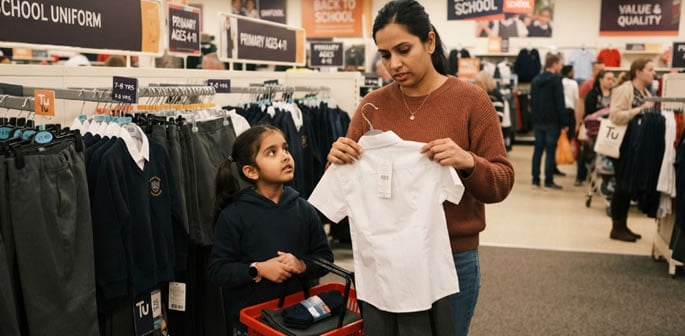
Buying secondhand can significantly reduce these costs.
The school year may have just ended but for many parents, the next one is already looming, bringing a wave of back-to-school costs.
From new school uniforms to stationery, costs can quickly add up.
The cost of education has continued to place pressure on household budgets, with essential school-related spending reaching significant levels across the UK.
Research from the Child Poverty Action Group and Loughborough University’s Centre for Research in Social Policy (CRSP) found that the minimum cost of education is more than £1,000 a year for a UK primary school child and at least £2,300 a year for a secondary school pupil.
These figures include essentials such as food, uniform, learning materials, meals and transport.
However, many parents face additional costs before the school year begins, with research from Nationwide finding that families spend more than £300 on average during back-to-school shopping.
The Children’s Wellbeing and Schools Act 2026 aims to reduce some financial pressures by expanding access to free school meals and limiting compulsory branded uniform requirements.
However, schools can still require up to three branded uniform items, or four if a tie is needed.
With costs adding up quickly, making the right choices before the start of term can help families manage their budgets while ensuring children have what they need.
Buy Secondhand
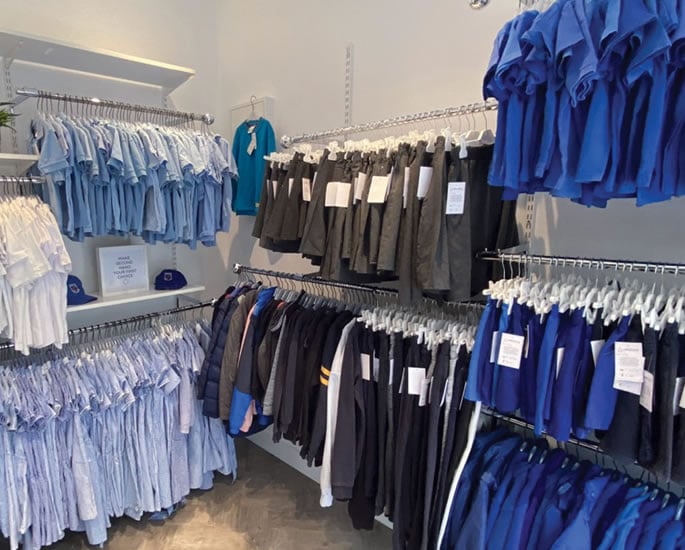
School uniform, shoes and accessories can often be some of the biggest back-to-school expenses, particularly when children grow quickly or schools require branded items.
Buying secondhand can significantly reduce these costs.
Local school groups, community pages, social media marketplaces and uniform exchanges are often useful places to find items that have been barely worn or are no longer needed by other families.
Secondhand platforms like Vinted can be particularly valuable for expensive items such as school shoes.
But if you want to buy them new, it is best to buy shoes from a shop that has built its reputation on selling shoes rather than buying cheap.
It is also advised to get your child’s feet measured to prevent money from being wasted on shoes that are uncomfortable.
For branded uniform pieces that are expensive to buy new, secondhand options can offer a more affordable alternative while still meeting school requirements.
Wait for Supermarket Deals
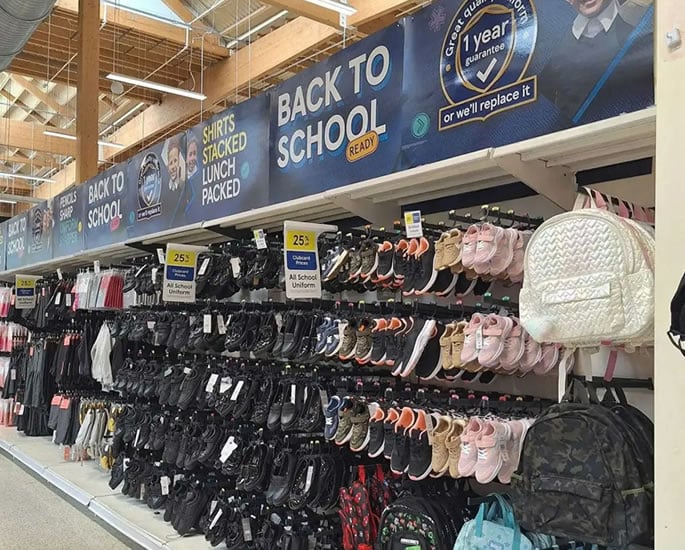
Buying school essentials at the right time can make a noticeable difference to the overall cost.
Many UK supermarkets offer back-to-school promotions during the summer holidays, including discounts on non-branded uniforms, stationery, shoes and other supplies.
The first half of the summer holidays is often a good time to start shopping because retailers begin introducing deals before demand increases closer to the new term.
Parents can also compare prices through money-saving websites and deal platforms, which often highlight supermarket offers and seasonal promotions.
Leaving purchases until the final days before school starts can limit choices and may mean families miss out on cheaper alternatives.
Use Cashback
Cashback can help reduce the cost of items families are already planning to buy.
Instead of shopping directly through a retailer’s website, parents can use cashback platforms like TopCashback that track purchases and return a percentage of the money spent once the retailer’s conditions have been met.
For example, a family spending £100 on school supplies through a retailer offering 5% cashback could receive £5 back.
Cashback rates vary between retailers and can change regularly, so checking available offers before making larger purchases can help maximise savings.
Some cashback providers also offer gift cards that can be used in physical shops, allowing families to receive cashback while shopping in-store.
Spend More on Longevity
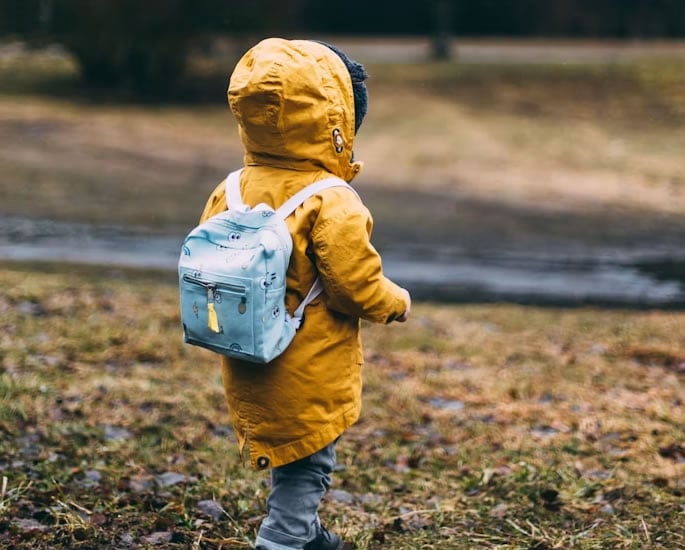
Not every school purchase needs replacing every year.
Choosing items based on durability rather than appearance alone can help families save money over time.
Backpacks, lunch boxes and pencil cases are often used daily, meaning cheaper options may need replacing sooner if they do not withstand regular use.
Buying a quality item secondhand can sometimes provide better value than purchasing a low-cost new alternative.
For example, branded school bags can often be found through resale platforms at reduced prices, including items that are unused or in excellent condition.
When deciding what to buy, parents should consider whether an item is likely to last beyond one school year and whether it will continue to be useful as children progress through school.
Label Belongings
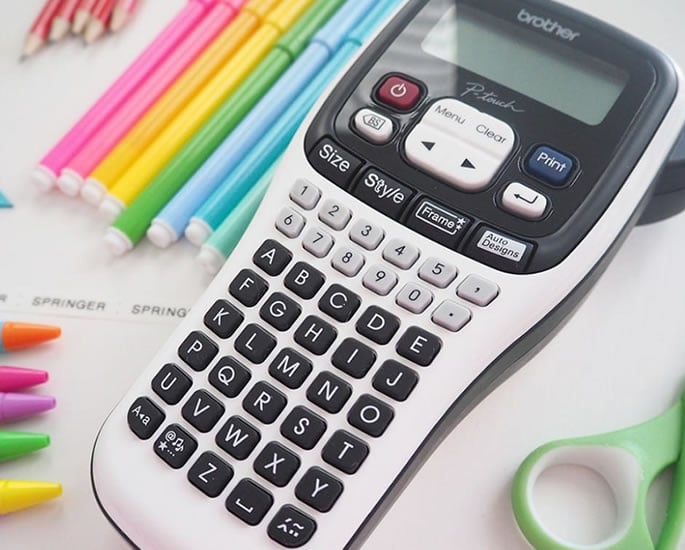
Lost school items can create avoidable costs throughout the academic year.
Adding names to uniforms, lunchboxes, water bottles, pencil cases and other belongings makes it easier for schools and children to identify missing items and return them.
Parents do not necessarily need to spend money on personalised labels.
Many uniform labels already include a space where a child’s name can be written using a permanent marker or biro.
A simple name label can help reduce the number of items that need replacing, particularly for belongings that are frequently misplaced.
Simplify Stationery
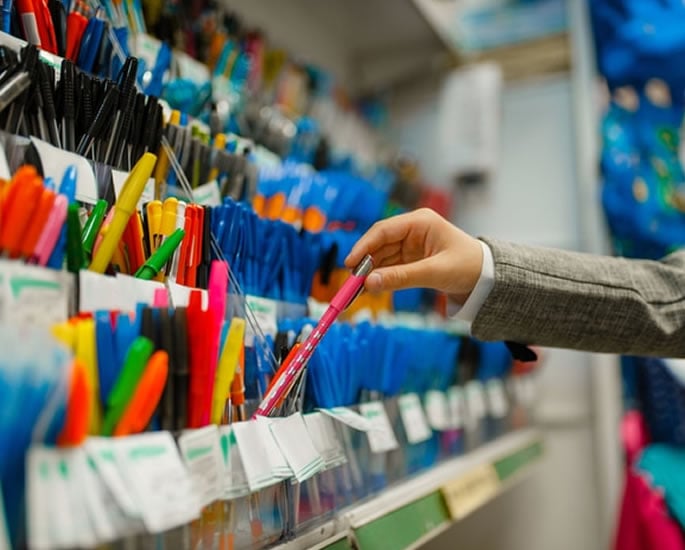
Stationery costs can quickly increase when families buy items that children do not actually need.
Before shopping, parents should check their school’s official supply list and only purchase the required items. Schools often provide guidance on essentials such as stationery, rulers and scientific calculators.
Following this list can prevent families from buying unsuitable products, such as the wrong type of calculator, which may then need replacing.
It is also worth thinking about whether children genuinely need new versions of items they already own.
A functional pencil case or school bag does not necessarily need replacing simply because a new academic year is beginning.
Keeping purchases practical rather than trend-led can help families reduce unnecessary spending.
Consider Refurbished Technology
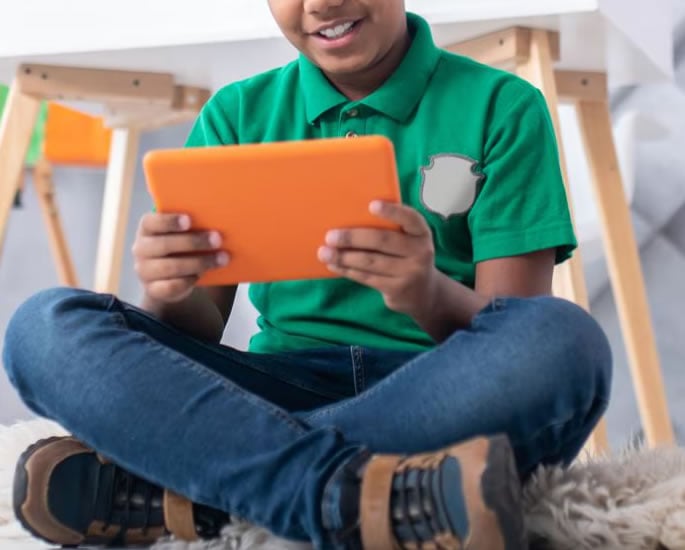
Technology can be one of the most expensive back-to-school purchases, particularly where schools encourage children to have access to laptops, tablets or mobile phones.
Before buying new devices, families should check whether they already own suitable technology that could be reused.
An older smartphone in good condition, for example, may only require a SIM-only contract rather than a full replacement.
Whether children need their own laptop depends on their school’s expectations. Some schools provide access to computers, while others suggest having a device at home can support homework and independent learning.
For families who do need to purchase technology, refurbished laptops and tablets can offer a cheaper alternative to buying new.
Reputable refurbished retailers typically inspect devices before resale, helping families reduce costs while extending the life of existing technology.
Back-to-school shopping does not have to mean replacing everything or spending more than necessary.
Careful planning, comparing prices and making practical choices can help families manage rising education costs.
Buying secondhand, taking advantage of discounts, using cashback and prioritising long-lasting products can all reduce spending before the new school year begins.
By focusing on what children genuinely need, parents can prepare for term without adding unnecessary financial pressure.