

















































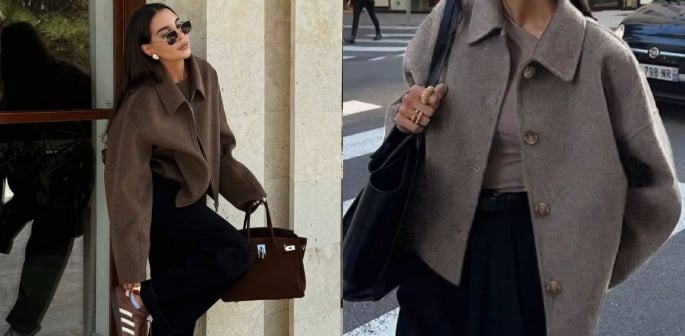
The most useful coat is one that can be worn repeatedly
As temperatures begin to fall, wardrobes naturally start shifting towards warmer layers, heavier fabrics and practical outerwear.
However, transitioning from autumn to winter does not mean buying an entirely new wardrobe every few months.
Instead, the change can be about making existing pieces work harder while gradually introducing clothes that provide more warmth.
This season, AW26 fashion is placing plenty of emphasis on versatile styling, statement outerwear, knitwear and interesting proportions.
From layering summer pieces to investing in a reliable winter coat, there are several simple ways to prepare for colder weather without losing your personal style.
Start With Layers
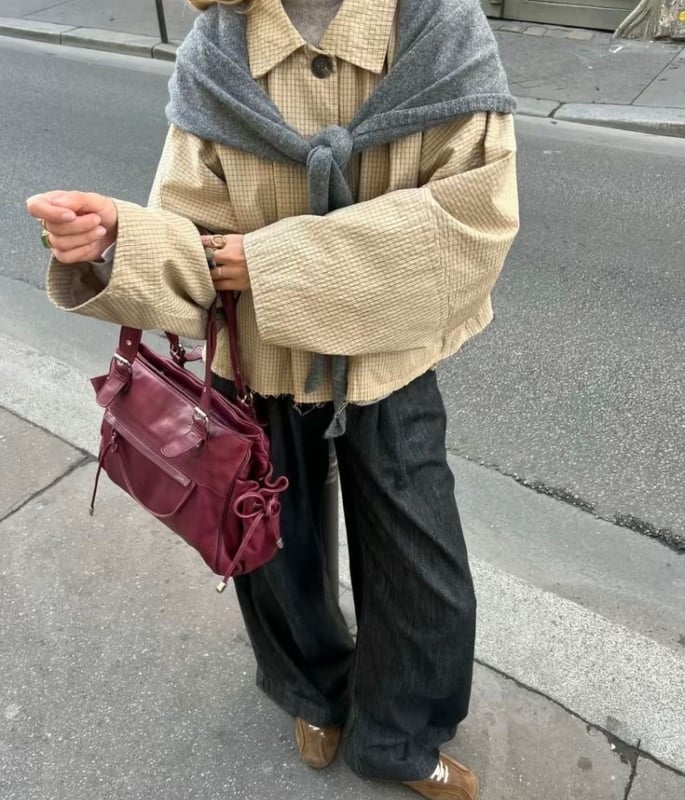
Layering is one of the easiest ways to make an autumn wardrobe work throughout winter.
As temperatures become unpredictable, lightweight pieces can provide warmth without immediately requiring heavy coats and multiple bulky layers.
Long-sleeved tops can be worn underneath shirts, dresses, blazers, and jumpers. T-shirts can also remain useful when paired with warmer cardigans or jackets.
A good base layer is particularly useful because it can be added underneath almost anything. Merino wool is a popular option because it offers warmth while remaining relatively lightweight.
Layering can also help extend the life of clothes that might otherwise be associated with warmer seasons.
A favourite autumn dress, for example, does not necessarily need to disappear once winter arrives. Add tights, a fitted long-sleeved top and boots, then finish with a coat.
The same principle works with skirts, shirts and lightweight trousers.
The aim is not to pile on as many clothes as possible. Instead, consider how each layer contributes to the overall outfit.
Find A Coat That Works With Everything
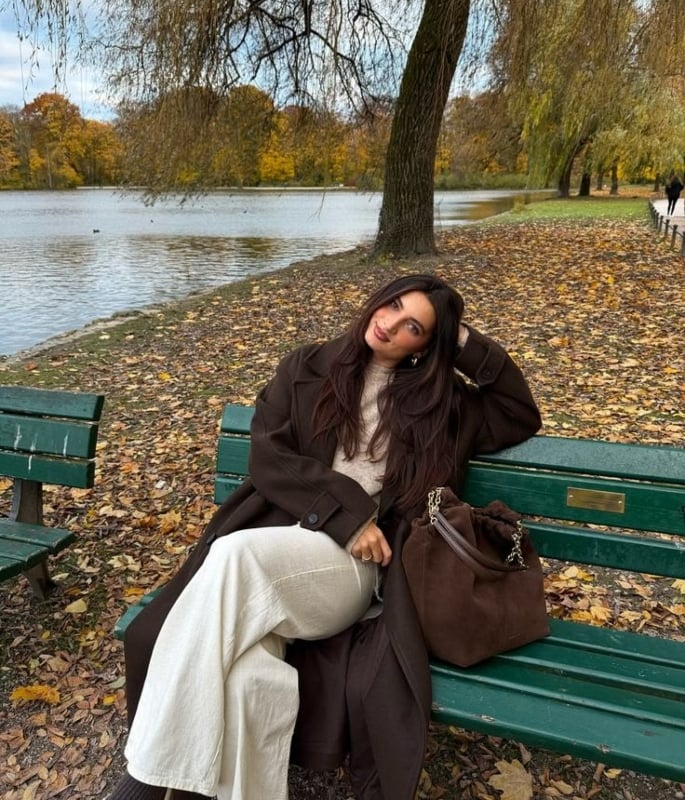
As winter approaches, outerwear becomes one of the most important parts of any wardrobe.
A coat is often the first thing people notice during colder months, so choosing one that works with different outfits can make getting dressed considerably easier.
Tailored wool coats remain a strong option for those wanting something polished.
Puffers offer a more casual alternative, while leather jackets and oversized silhouettes can create a stronger fashion statement.
This does not necessarily mean spending a fortune.
The most useful coat is one that can be worn repeatedly with clothes already in your wardrobe.
It is also worth considering how much layering you normally do underneath your coat.
A fitted coat may look elegant but become impractical if you cannot comfortably wear a jumper underneath it.
Before buying, try the coat with several different outfits and consider whether it will work for work, weekends and evenings.
Make Knitwear Your Winter Foundation

Few things signal the arrival of winter quite like knitwear.
Jumpers, cardigans, knitted dresses and polo necks can transform an autumn outfit while providing additional warmth.
However, knitwear does not have to mean oversized jumpers worn with jeans every day.
A cardigan can be layered over a simple T-shirt during milder weather or underneath a coat once temperatures drop.
Knit dresses are another useful option. Paired with tights and boots, they can create a complete winter outfit with relatively little effort.
Cable knits, ribbed fabrics, brushed wool and chunky textures can add depth to otherwise simple combinations.
Rather than buying multiple jumpers in similar styles, consider choosing different shapes and textures that can be styled in several ways.
Switch Up Your Footwear
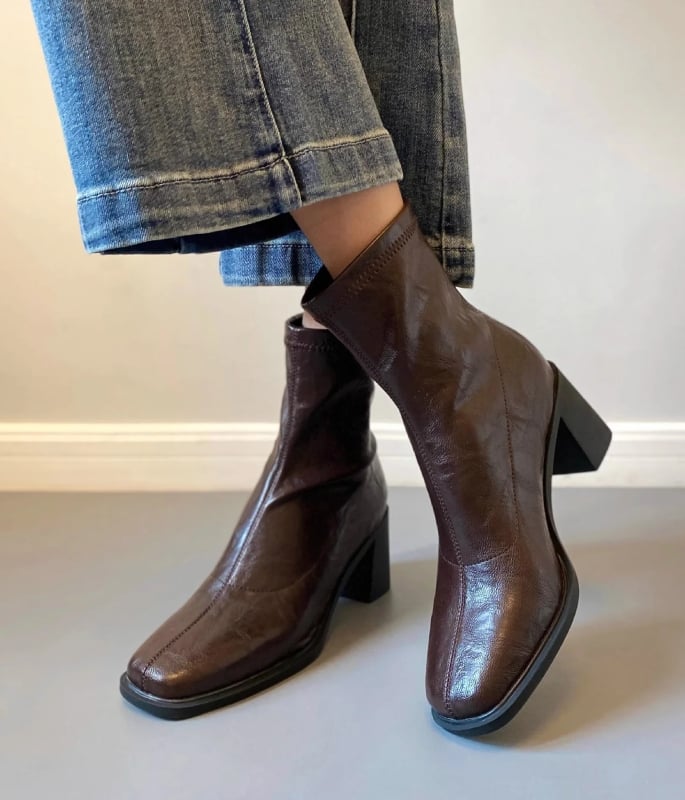
Shoes can make an outfit feel instantly more seasonal.
While trainers, loafers and ballet flats can still be worn throughout autumn and winter, boots offer additional warmth and provide more protection from wet and cold weather.
AW26 has introduced several different boot trends, meaning there is no single style dominating the season.
For everyday dressing, a classic ankle boot remains one of the easiest choices.
It can be paired with jeans, tailored trousers, midi skirts and dresses, making it useful across different occasions.
Knee-high boots can create a more polished silhouette and work particularly well with skirts and dresses.
There is also growing interest in 1970s-inspired footwear, with knee-high and slouchy silhouettes appearing strongly in current autumn styling.
A reliable pair of black or brown boots that you can comfortably wear throughout winter will usually be more valuable than buying something simply because it is fashionable.
Make Your Existing Wardrobe Work Harder

Perhaps the most important part of transitioning into winter is remembering that you do not need to start from scratch.
Before buying anything new, look through your existing wardrobe and consider how pieces can be styled differently.
A summer dress can work with a long-sleeved top, tights, boots and a coat.
A lightweight skirt can be paired with a chunky jumper and knee-high boots, while a blazer can become an extra layer beneath a heavier coat.
This approach can also reduce unnecessary spending and encourage a more sustainable wardrobe. British Vogue’s AW26 trend report highlights versatile styling as an alternative to constantly buying new pieces.
Transitioning into winter is about gradual changes rather than a complete wardrobe overhaul.
Add warmer layers, introduce knitwear, invest in practical outerwear, and switch to winter footwear as temperatures drop.
The strongest winter wardrobe is not necessarily the biggest.
It is one where your favourite pieces can be styled in different ways while keeping you warm and feeling fashionable in Winter.