


















































"even familiar brands can be impersonated."
Black Friday is a prime opportunity to pick up a bargain, but shoppers could end up paying a much higher price if they are not careful about where they spend their money.
Fraudsters are becoming increasingly sophisticated, using AI to create convincing fake websites, customer reviews and deals that can easily catch consumers off guard.
The danger is particularly high for those browsing online while distracted, with Barclays warning that shoppers could miss crucial signs of fraud when their attention is elsewhere.
From countdown timers designed to encourage quick decisions to social media adverts impersonating trusted brands, scammers are finding new ways to make fraudulent offers look legitimate.
And with retailers already launching discounts ahead of Black Friday on November 27, consumers are being urged to think twice before clicking on what looks like an irresistible deal.
Why Black Friday Scams are becoming Harder to Spot

A bargain that looks too good to miss could be exactly what a fraudster wants you to believe.
Research commissioned by Barclays found that 21% of shoppers admit to browsing online while distracted by other activities, such as watching television, making it easier to overlook suspicious web addresses or deals that seem unusually cheap.
The findings make for concerning reading, particularly as 34% of those surveyed said they had been targeted by a retail scam, lost money themselves or knew someone who had.
Despite the risks, only 36% said they take steps to check whether a website is genuine before making a purchase. Just 10% felt confident they could avoid being deceived during Black Friday and Cyber Monday.
Artificial intelligence is making the problem even more difficult to tackle.
Some 76% of respondents believe recent advances in AI have made online scams more convincing, with fake customer reviews (44%) and counterfeit retailer websites (43%) among the biggest concerns.
Only 34% felt confident they could recognise an AI-generated fraudulent offer.
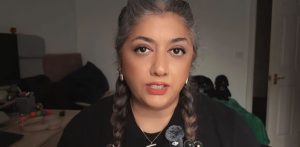
Dr Rasha Kassem, senior academic and leader of the Fraud Research Group at Aston University, warned:
“Consumers must remember that even familiar brands can be impersonated.
“Advances in artificial intelligence have made it easier for criminals to create highly convincing copies of legitimate retail websites, complete with professional designs, logos and fabricated customer reviews.”
Phil Cotter, CEO at SmartSearch, echoed those concerns, said:
“Poor spelling and dodgy-looking websites are no longer the giveaway they once were, particularly with AI helping criminals create more polished and believable content.”
How to Avoid Falling Victim
Part of the problem is how quickly shoppers can be persuaded to act.
A countdown clock, a limited-time discount or an advert that appears to come from a familiar brand can create a sense of urgency, leaving little time to question whether an offer is genuine.
Kirsty Adams, a fraud and scams expert at Barclays, said:
“Black Friday is a great time to grab a bargain, and most of us know scams are out there.
“But when you’re scrolling on the sofa and a countdown timer starts ticking, or a deal pops up in your feed from an account that looks just like a brand you trust, it’s easy to get swept up and pay before you’ve had a chance to check. No deal is worth rushing for.
“So take a moment before you buy. Go to the retailer’s own website or app, and never pay by bank transfer to someone you don’t know.”
Cotter added: “The merchandise is often advertised at irresistible prices, but once you’ve handed over your money, the website disappears, the goods never arrive, and your card details may have been harvested along the way.
“If a deal looks too good to be true, it probably is.
“And before entering any payment details, check the web address carefully and make sure you’re buying from the genuine retailer.”
Scammers may also target shoppers after they have made a purchase, sending messages claiming an order has been delayed or that an account has been suspended.
These often include links asking recipients to verify payments or provide personal information.
Cotter said: “Others create urgency by claiming an account has been suspended or a payment needs verifying.”
Urging consumers, he added:
“Always check the retailer’s official website rather than buying through an unfamiliar advert and never agree to pay outside a platform’s recognised payment system.”
With Black Friday getting closer, the message is straightforward: a genuine bargain should not require you to rush into handing over your money.
Taking a moment to check a retailer, verify an offer and use a recognised payment method could make all the difference between securing a discount and falling victim to a scam.