















































"I was really interested in writing about family dynamics"
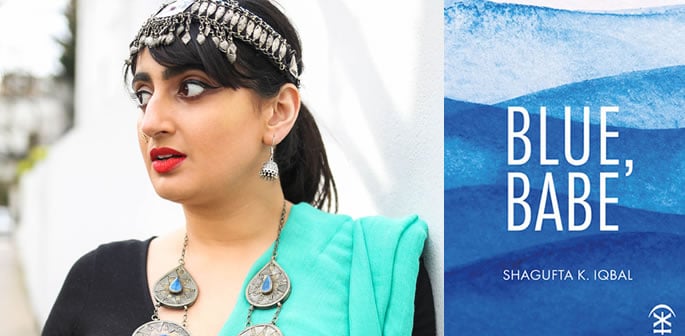
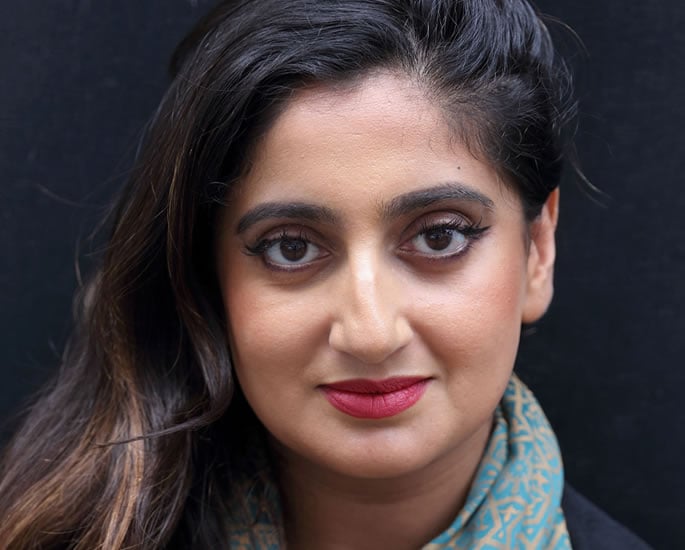
Shagufta K Iqbal explores the complexities of family, identity and belonging in her new poetry collection Blue, Babe.
Published on September 3, 2026, the book centres women’s experiences while examining how relationships are shaped by culture, history and the world around them.
From intimate family moments to the lasting effects of displacement and colonialism, Iqbal considers what holds people together when circumstances change.
The collection also explores how families can take different forms, including through experiences of Muslim divorce.
In an interview with DESIblitz, Shagufta K Iqbal talks about Blue, Babe and the relationships, histories and experiences that shaped the collection.
Family, History and Everyday Life
Blue, Babe explores family life within the social, political and environmental forces that shape it.
The collection considers how contemporary families are affected by issues that extend beyond the home, as Iqbal says:
“I was really interested in writing about family dynamics in the 21st century. The effect of climate injustice, the legacy of colonialism, capitalism and the places that offer respite and safety to the family.”
Family histories are also important to the collection, particularly the effects of war, Partition and displacement.
The author explains: “We are aware of these stories in the background of our lives, whether passed down through family history or by seeing how racism and stereotyping act as small microaggressions that restrict some of our life choices.
“I could not write about family life without referencing the influences of such events in our communities and personal histories.”
Politics enter the collection through issues that affect households.
Iqbal says: “The poems look at the internal world of families, but politics bleeds into many of the stories. The political affects the personal.
“For example, you cannot discuss food poverty in the UK without acknowledging the political climate that has created such pressure on families.”
Alongside these wider issues, Iqbal draws on ordinary moments to explore how relationships are experienced:
“When I look back at my own life, it is the everyday moments that are really profound, and leave an imprint on our emotional wellbeing.
“We can all relate to awkward phone calls and recreating tastes that remind us of childhood. These small actions speak to larger themes and deeper relationship nuances.”
Women, Divorce and Family Structures

Divorce is a central part of Blue, Babe, with Shagufta K Iqbal focusing on an experience that she feels is rarely discussed openly within South Asian communities.
Language is also significant, as she points to the absence of a Punjabi word for divorce.
“In Punjabi, there is no word for divorce; we borrow from the Arabic, ‘talaq’.
“My collection attempts to give voice to an experience that has no traceable reality within South Asian culture.”
“For me, it was important to hear the voices of other women, because it is something that is not often spoken about. From my experience, women who do get divorced become invisible in the eyes of the community.
“I wanted to honour their stories, their experiences, and celebrate families that co-operate and still create a strong sense of family despite having a different structure.”
The poems also consider how gender expectations affect family life more broadly. For Iqbal, this includes the impact of patriarchy on men and boys as well as women, alongside the importance of support between women.
Her exploration of divorce also considers how the subject is understood within Islam.
Iqbal highlights: “How much compassion Islam has for any family facing this situation. While not being seen as a positive outcome, the Qur’an stresses, ‘Let them go with kindness’.”
Drawing on examples, she continues: “Islam gives us role models who provide us with examples of blended families and the process of starting again in the lives of the prophets and the followers of the prophet.
“And how to make families work with dignity and the wellbeing of the children, family and community.”
Stories beyond the Home
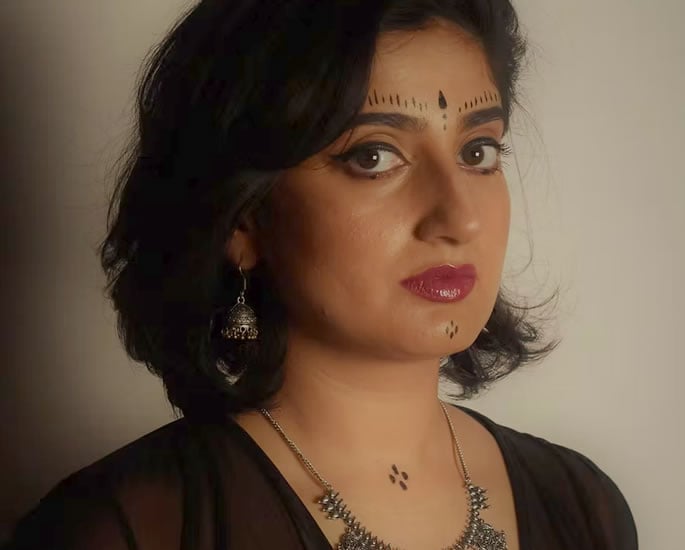
Shagufta K Iqbal’s understanding of family and relationships was also influenced by women she met while travelling.
She recalls: “A friend of mine, who organises trekking trips, and I met many women while walking to mountaintops in the Karakoram and Atlas mountain ranges.
“We met women-led organisations from Argan charities at cafes in the Mountains.
“I heard many stories about love, and family, and hope. I wanted to create a space to share my experience of this, and Blue, Babe was that space.”
These experiences contributed to the collection’s wider range of perspectives, bringing together different stories about relationships, family and community.
The collection moves between intimate family experiences and encounters beyond the home, allowing Iqbal to consider how people relate to one another in different settings.
Iqbal’s approach also reflects the influence of everyday experiences.
Telephone calls, family conversations and food provide recognisable entry points into relationships, while the wider poems address subjects such as divorce, displacement and political pressure.
This combination gives Blue, Babe a broad view of family life, connecting personal experiences with the circumstances surrounding them.
Learning to Love and Trust Again
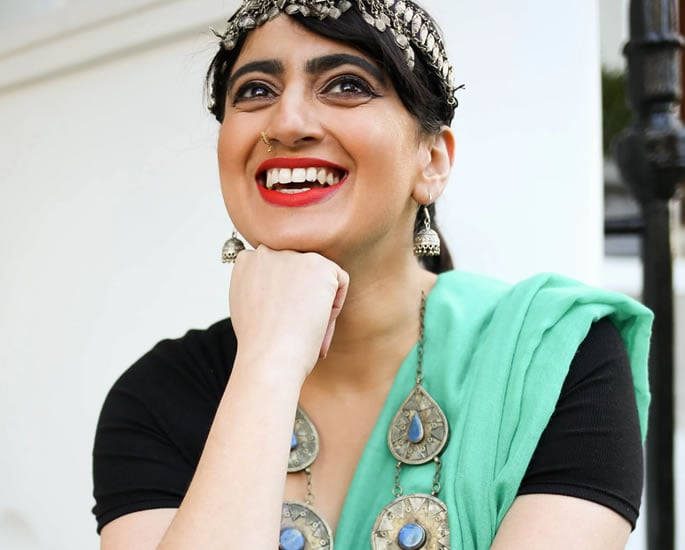
Blue, Babe examines how people respond when relationships change and how they can approach love and trust after difficult experiences.
Shagufta K Iqbal’s description of family as something that can be made, broken and held together reflects the different forms these relationships can take.
The women she met while travelling also shaped this perspective, particularly through the stories she heard about love, family and hope. These experiences became part of the space she created through the collection.
Iqbal’s focus ultimately turns towards how people treat themselves after making difficult choices.
She says:
“That life teaches us so many lessons, and we cannot live it by punishing ourselves for the choices we have made.”
“It is easier said than done, but Blue, Babe tries to communicate that we must show ourselves kindness because we live in an unkind world, but beauty and hope can be found in the most unexpected places.”
This idea connects the collection’s different strands, from divorce and family relationships to inherited histories and contemporary pressures.
The poems consider how these experiences can affect people while leaving room for relationships and identities to change.
Blue, Babe brings together personal experiences and wider social forces to examine how family relationships evolve through change, separation and uncertainty.
Shagufta K Iqbal’s focus on women’s voices and different family structures creates space for experiences that can often remain unspoken, while her attention to everyday moments keeps the collection grounded in familiar realities.
Across its different themes, the book considers how people navigate difficult choices without losing their capacity for connection, love and hope.