











































"Learn how to talk to ladies."
Desi festivals are supposed to be spaces where people can celebrate music, culture and community without having their personal choices placed under scrutiny.
Yet for some women, attending these events can bring another layer of judgement, particularly when photographs and videos reach social media.
What women wear, who they attend with and how they choose to enjoy themselves can quickly become subjects of criticism and online discussion.
The reaction raises a wider question: why do women still face greater scrutiny when participating in the same spaces where men are simply expected to have fun?
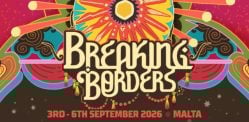
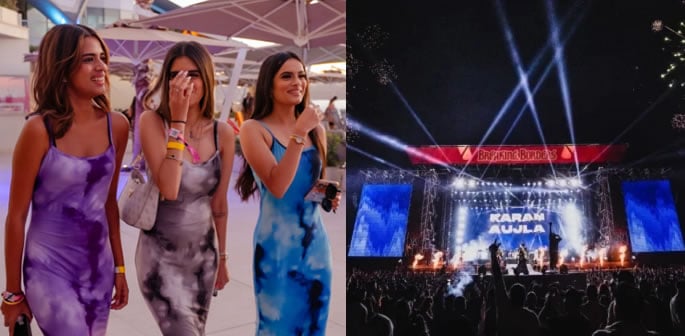
Breaking Borders Festival’s 2026 return to Malta provides a timely example of this wider conversation, following online debate surrounding female attendees after its inaugural edition the year before.
Breaking Borders Festival Returns To Malta
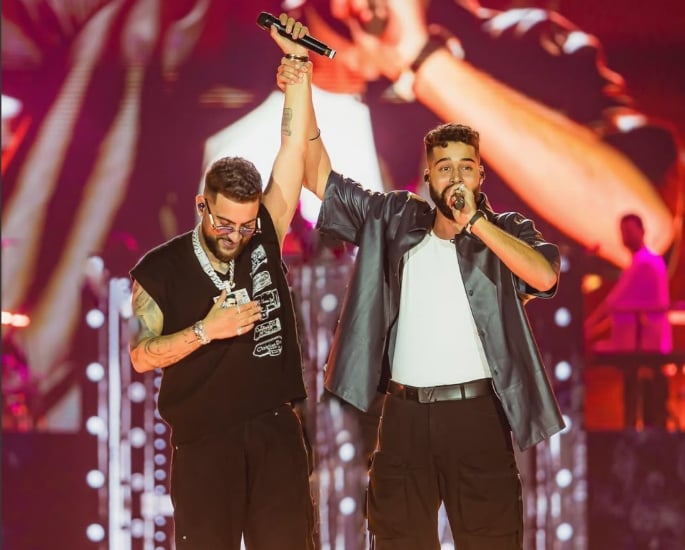
Breaking Borders returns to Malta following the success of its inaugural 2025 edition, bringing thousands of fans together for four days of Desi music, culture and entertainment.
The 2026 lineup features major names including Karan Aujla, AP Dhillon, Jasmine Sandlas, Miss Pooja, Panjabi MC, Sukha and The PropheC.
Aujla will headline two nights with different setlists, while AP Dhillon takes the Saturday headline slot alongside a strong supporting lineup.
Aujla told Billboard Canada: “2025 was just the beginning, and 2026 is about to be something special.”
The festival reflects the growing global popularity of Desi music, bringing together diaspora audiences and fans travelling from around the world.
Its destination format offers more than a conventional concert, combining live performances with parties, social experiences and opportunities to connect with other fans.
For many attendees, that atmosphere represents the freedom to celebrate Desi music and culture away from the expectations of everyday life.
Yet as Breaking Borders grows, so does the attention surrounding its attendees, particularly when their experiences and personal choices become subjects of online discussion.
That raises a wider question about whether women can enjoy Desi festival culture without facing the judgement and scrutiny that can follow them beyond the festival itself.
When Festival Fun becomes an Online Debate
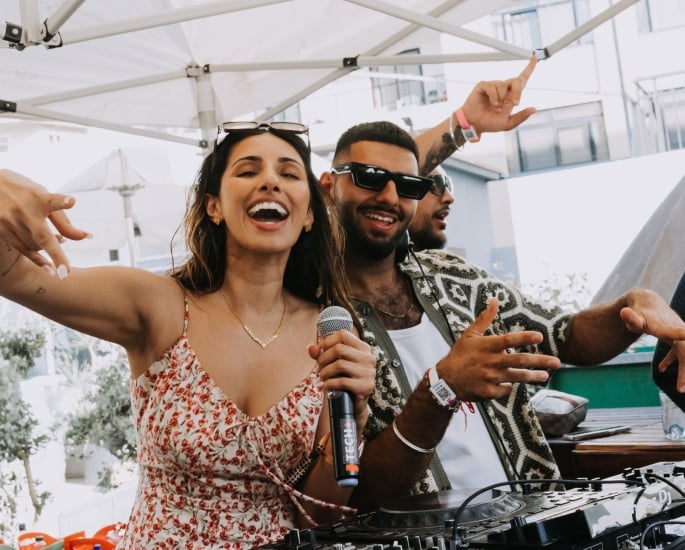
Festivals now extend beyond their physical spaces, with photographs, videos and conversations continuing across social media after the final performance.
Breaking Borders is no exception, with attendees sharing outfits, performances, travel experiences and personal moments online.
For women, however, that visibility can bring additional scrutiny, with personal choices quickly becoming subjects of public judgement.
Online criticism of women is not unique to festival culture, as social media allows strangers to comment on their appearance, behaviour and relationships.
Following the 2025 Breaking Borders festival, online conversations included criticism surrounding female attendees and how women chose to experience the event.
Some responses appeared to police women’s behaviour, raising questions about why female festivalgoers can face judgement for enjoying the same spaces as men.
BBC Asian Network presenter Haroon Rashid challenged the criticism in a TikTok video, expressing his disappointment at the discussion.
Haroon also told people to “grow up” and “learn how to talk to ladies”, while saying “there’s no need” for the criticism.
His response reflects a wider question about why women can face scrutiny for attending festivals, choosing their outfits, or simply enjoying themselves.
The issue is not whether people can have opinions, but when those opinions become an attempt to police women’s choices.
Desi festival culture should allow women to enjoy music, celebrate their heritage and participate without becoming an online debate.
Why the Conversation Matters for South Asian Women
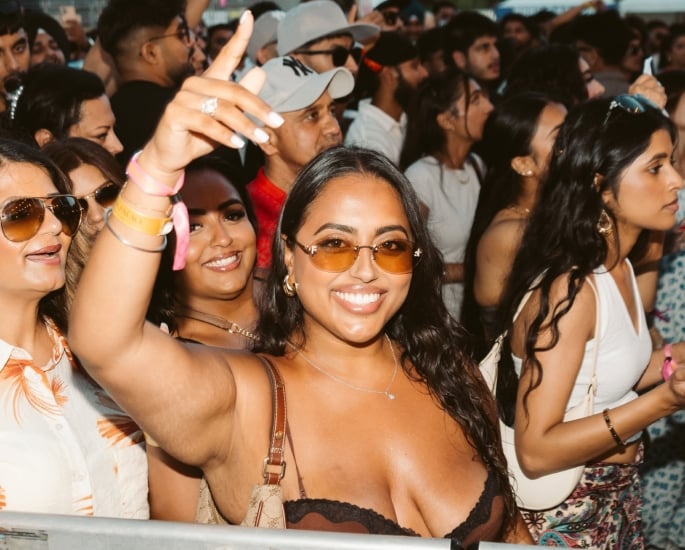
For some South Asian women, personal freedom can still come with scrutiny over their choices and appearance.
What they wear, who they attend events with and where they travel can quickly become subjects of public discussion.
Social media can intensify these judgements, allowing strangers to comment on women’s lives within minutes.
Festival photographs can attract comments that move beyond criticism into intrusive or degrading territory.
The responsibility for such behaviour lies with those making the comments, not the women being targeted.
Attending a music festival does not remove anyone’s right to privacy, dignity or respect.
Influencer Khushi also questioned the reaction online, describing it as “so funny to watch”.
She also argued that this is why the community “can’t have nice things”.
Her comments suggested that whenever the community has something positive to celebrate, conversations can quickly become dominated by criticism and judgement.
Being visible online should never be treated as an invitation to shame or judge someone.
These expectations should apply equally wherever people choose to celebrate, whether in Malta, Birmingham, London or elsewhere.
The Double Standard around Desi Women
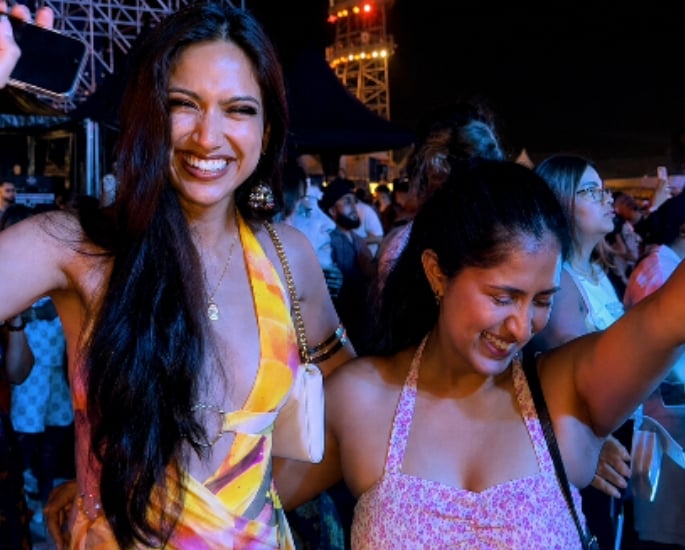
South Asian women often navigate conflicting expectations around culture, independence, appearance and behaviour.
They can be encouraged to celebrate their heritage while facing criticism for appearing too independent or challenging traditional expectations.
Destination festivals can make these contradictions more visible, placing women’s personal choices before large online audiences.
Breaking Borders celebrates global Desi culture, and that should include women participating without being treated as representatives of an entire community.
A woman attending a festival is an individual enjoying music and entertainment, not a reflection of her community’s values.
Yet women can face disproportionate scrutiny online, where photographs and videos can quickly be shared without context.
Influencer Navey similarly defended female festivalgoers, arguing that women should be able to “enjoy the songs that they actually like listening to”.
She also challenged assumptions about women’s relationships, stressing that “just because someone likes to party doesn’t mean they like to cheat”.
Navey criticised those making such comments, describing them as “rotten” for sitting behind their screens and judging women they do not know.
Her comments challenge the assumption that a woman’s decision to party says anything about her character or relationships.
Ultimately, enjoying a Desi festival should not require women to justify their choices to an online audience.”
A Bigger Conversation Than One Festival
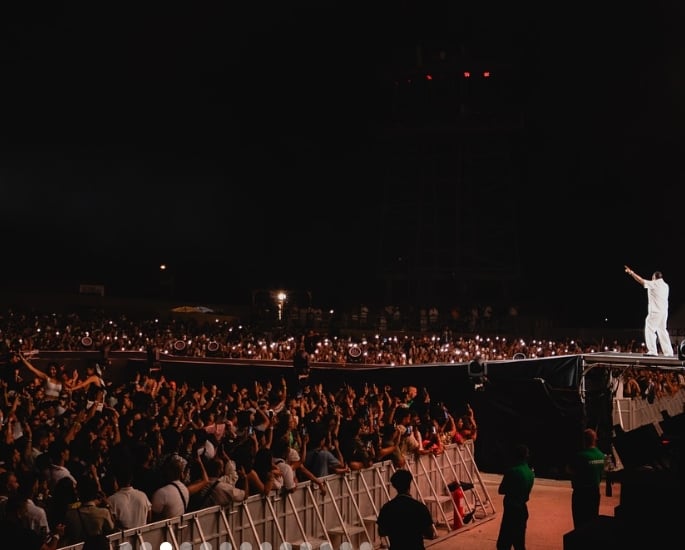
Breaking Borders is ultimately a music festival, but the conversations surrounding it reflect wider questions about women and Desi festival culture.
Major cultural events can shape how communities think about celebration, freedom and respect, particularly when experiences are shared online.
The discussions surrounding female attendees after the 2025 festival show that judgement and scrutiny remain part of that wider conversation.
The challenge is ensuring cultural celebration does not become another excuse to police women’s choices or question their character.
Breaking Borders has the opportunity to set a positive example as it enters its second year.
Women should be able to attend, dance, dress how they choose, and celebrate Punjabi culture without their choices becoming a subject for online judgement.
As Breaking Borders continues to grow, it can help show that Punjabi music and culture should create space for everyone.