




















































Many people with low vitamin D have no obvious symptoms.
For Desi women in the UK, winter brings more than chilly mornings, chunky scarves and cosy Gilmore Girls marathons.
The darker days can also make it harder to get enough vitamin D, particularly for those with brown skin, which produces less vitamin D from sunlight.
With the clocks going back on October 25, it’s officially time to embrace autumn.
But as the days get shorter, it’s also worth paying attention to your vitamin D levels. A deficiency can affect your health, and the risk is particularly relevant for people with darker skin.
The good news is that there are simple steps you can take to maintain healthy vitamin D levels.
Here’s what Desi women need to know about the risks, the symptoms to look out for and the NHS advice on supplements this winter.
What does Vitamin D even do to your Body?
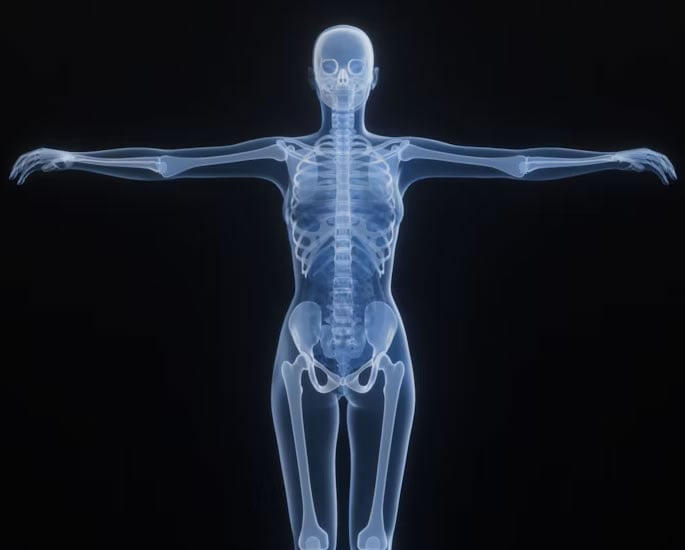
Vitamin D helps your body absorb calcium and phosphate, which keeps your bones, teeth and muscles strong. When you do not get enough, bones can soften.
In children, that causes rickets. In adults, it can cause osteomalacia, which brings bone pain and muscle weakness. In older people, low levels may also raise the risk of falls.
It is also one of the few nutrients in the human body that is produced from within, with a little help from the sun. Your skin produces vitamin D when it is hit by UV rays.
Food helps, but it is hard to get enough from diet alone.
Researchers are studying whether low levels are linked with other conditions, including type 2 diabetes, which is more common among South Asian communities, but the evidence is still developing.
Winters in the UK are Bad for Everyone

Britain does not get enough of the right sunlight for around half the year.
Between roughly October and early March, the sun sits too low in the sky for our skin to make vitamin D, no matter how long we spend outside.
That is why UK government advice from the NHS, Public Health England (now the Office for Health Improvement and Disparities) and NICE is for everyone to consider taking a daily 10 microgram (400 IU) vitamin D supplement during autumn and winter.
Millions of us fall short. Official estimates suggest around one in six UK adults, and almost one in five children, have vitamin D levels below recommendations.
Why Brown Girls Suffer More

If the lack of sun is a problem for everyone, it is a bigger problem for brown skin. There are a few reasons.
Melanin works as a natural filter
Melanin, the pigment that gives skin its colour, protects against some UV damage.
It is a gift, but it also means darker skin needs more sun exposure to make the same amount of vitamin D as paler skin. Even in the UK’s summer, that can be hard to achieve.
Because of this, the NHS in the UK names people of South Asian, African and African-Caribbean backgrounds as being at higher risk of deficiency, and advises them to take a supplement all year round, not just from October to March.
The UK’s latitude is not your family’s home climate
A common assumption is that families with roots in India, Pakistan, Bangladesh or Sri Lanka are naturally covered because of sunnier ancestry.
But the sun in Britain is simply weaker, and your skin does not carry over the vitamin D it made on a holiday to Delhi.
Lifestyle factors stack up
Certain lifestyle factors apply to some brown women and these are some of the most common:
- Covering up – Clothing that covers most of your skin, whether for faith, modesty, comfort or style, means less skin is exposed to UVB. People who cover most of their skin outdoors are also advised to take a year-round supplement.
- Indoor lives – Office jobs, long commutes, study sessions and gym-by-the-window routines mean a lot of daylight goes unused.
- Diet – The best natural sources are oily fish, egg yolks and red meat, plus some fortified foods. If you are vegetarian or vegan, as many South Asian families are, there are fewer natural sources, so you may rely more on fortified foods or supplements.
- Sunscreen and shade – Protecting yourself from sun damage in summer is smart, but it can mean slightly less vitamin D production too. This is not a reason to skip SPF; it is a reason to take supplements seriously.
Being a woman adds another layer
Pregnant and breastfeeding women are advised to take a vitamin D supplement all year round, and low levels in pregnancy can affect both mother and baby.
If you are planning a family, ask your GP or midwife for advice.
What Low Vitamin D can Feel Like

Many people with low vitamin D have no obvious symptoms. When there are signs, they can include:
- Aching bones or tenderness
- Muscle weakness or aches
- Feeling more tired than usual
- In children, delayed walking, bowed legs or soft bones
These symptoms can have lots of causes, so they do not prove you are deficient.
If you catch yourself experiencing more symptoms, speak to your GP, who can discuss testing and treatment.
The Foolproof Way to Protect Yourself
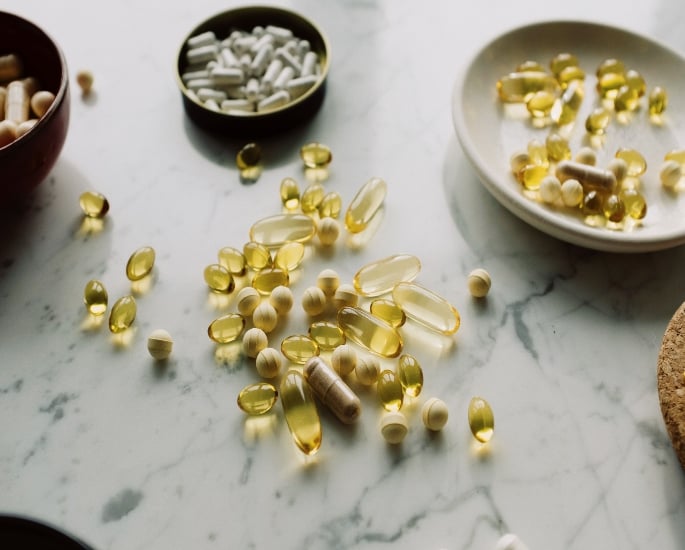
Take the supplement
The NHS-backed advice is simple: 10 micrograms (400 IU) of vitamin D a day.
If you are brown, cover most of your skin outdoors or are pregnant or breastfeeding, take it all year round. If none of that applies, take it from October to March at least.
You can buy supplements at supermarkets, pharmacies and online, often costing a few pounds.
If you cannot find a 10 microgram product, UK public health guidance says products with up to 25 micrograms (1,000 IU) are suitable for everyone.
Check whether you can get them free
Eligible pregnant women and families with young children in England may be able to get free vitamins through the Healthy Start scheme. It is worth checking whether you qualify.
More is not better
There is no prize for mega-dosing. Taking much more than the recommended amount over a long period can cause problems, such as too much calcium in the blood.
If you are pregnant, on other medication or have a health condition like kidney disease, check with your GP or pharmacist before starting any Vitamin D medications.
Eat what helps
Food will rarely be enough on its own, but it still counts.
If you eat them, oily fish such as salmon, sardines or mackerel, plus eggs and fortified foods like some cereals and spreads, can contribute.
Check labels on plant-based milks and breakfast cereals if you are vegetarian or vegan.
Use the sun when you can
From spring to early autumn, going outside in the middle of the day with your arms and legs uncovered, if you are comfortable doing so, can help.
Older relatives are often more at risk because they spend more time indoors and their skin makes vitamin D less efficiently.
Mention it at the dinner table, and make it a family habit. It is one of the cheapest health upgrades going.
So as the clocks go back and there are fewer hours of sunlight, put one more thing on your autumn list, between the pumpkin spice and the Diwali outfit planning: a vitamin D supplement.
It costs pennies, takes seconds, and your bones will thank you.