
















































Condoms are still essential for STI prevention.
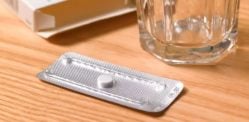
Thousands of women across England can now access the morning-after pill for free from pharmacies, a major advancement for women’s reproductive health and accessibility.
The NHS has expanded its services to allow women to get emergency contraception without a GP appointment.
Around 10,000 pharmacies, including major chains like Boots and Superdrug, will now provide the service at no cost.
This comes as welcome news, especially with many struggling to secure timely GP appointments or facing cuts to local sexual health clinics.
The morning-after pill works best when taken as soon as possible after unprotected sex, making quicker access crucial.
For women who previously paid up to £30 or faced logistical barriers, this development marks an empowering shift towards convenience, affordability and autonomy.
Understanding How the Pill Works
 The morning-after pill, often misunderstood, is designed to prevent pregnancy after unprotected sex or contraceptive failure.
It works mainly by stopping or delaying ovulation, preventing an egg from being released.
There are two main types available: Levonorgestrel, which must be taken within three days, and Ulipristal acetate, commonly known as ellaOne, which can be taken within five days.
Effectiveness decreases the longer you wait, which is why swift access through pharmacies makes a significant difference.
Importantly, the morning-after pill is not an abortion pill, as it cannot terminate an existing pregnancy.
It also does not protect against sexually transmitted infections, meaning condoms are still essential for STI prevention.
Accessibility and Confidentiality
 Under the new NHS policy, emergency contraception can be accessed free of charge and confidentially from participating pharmacies.
Women can use the NHS website to find nearby locations offering contraceptive services by entering their postcode.
Pharmacists are trained to provide advice and answer questions, ensuring that each woman receives the safest and most suitable option.
Confidentiality is guaranteed, even for those under 16, as pharmacists and healthcare providers are bound by privacy laws.
They will not share information with parents or carers unless there is a clear risk of harm.
This assurance allows women, particularly young South Asian women, to seek help without fear of judgment or stigma.
Who Can Take It and Possible Side Effects
 Most women can safely take the morning-after pill, even those who cannot use other hormonal contraception, such as the combined pill.
It is also safe for breastfeeding women.
However, certain medications and herbal remedies, such as those for epilepsy, tuberculosis or St John’s wort, can reduce its effectiveness.
In some cases, healthcare professionals may recommend fitting an intrauterine device (IUD), which is the most effective form of emergency contraception.
The pill is very safe overall, with side effects such as headaches, nausea, or mild cramping being short-lived.
If vomiting occurs within two hours of taking it, a second dose may be needed, and pharmacists can advise accordingly.
Expanding Women’s Health Services
 This initiative is part of a broader NHS effort to make healthcare more accessible.
In addition to providing emergency contraception, pharmacies will continue to supply regular oral contraceptives and offer guidance on antidepressants, including lifestyle advice and potential side effects.
These changes aim to reduce pressure on GP appointments and make essential services easier to access in local communities.
For many women, especially those balancing work, family and cultural expectations, having reliable healthcare available directly from pharmacies simplifies the process of managing their reproductive and mental well-being.
Breaking Stigma in Desi Communities
 Discussions about contraception remain taboo in many South Asian households, where topics like sex before marriage are often avoided.
This silence can create shame and misinformation, discouraging women from seeking help when they need it most.
The availability of free, confidential emergency contraception represents progress not just in healthcare but also in challenging cultural stigma.
It encourages more open conversations about women’s health within Desi communities, helping to normalise the idea that taking control of one’s body is both responsible and empowering.
Education and access are vital tools in breaking down these long-standing barriers.
The Importance of Talking About It
 Sexual health education remains limited in many South Asian families, where young women often rely on friends or the internet for information.
This can lead to confusion or misconceptions about contraception.
By increasing awareness through initiatives like the NHS free pharmacy service, women are better equipped to make informed, confident choices.
Open dialogue about emergency contraception can help dismantle stigma, promote understanding and encourage safer sexual practices.
The more these conversations take place, the more empowered women become in owning their health and future.
The introduction of free emergency contraception through pharmacies marks an important step in women’s healthcare and equality.
It not only removes barriers of cost and accessibility but also empowers women to act quickly and confidently when they need to.
For South Asian women, this shift represents progress in both public health and cultural openness, allowing them to make choices without shame or fear.
Understanding how the morning-after pill works and where to get it is key to taking charge of reproductive wellbeing.
It’s time for more open, informed conversations about women’s health, because knowledge is empowerment.