


















































“My story is one of many, yet too often silenced by cultural stigma and fear.”
Toxic relationships can become difficult to recognise when controlling behaviour is gradually presented as care, concern or commitment.
In some British South Asian communities, cultural expectations can make conversations about unhealthy relationships more difficult.
A recent Birmingham murder case highlights how coercive control can develop into serious abuse.
The case involving Imran Uddin and Ismail Younis shows why controlling behaviour should never be dismissed as ordinary relationship problems.
It also raises questions about how families and communities can recognise warning signs before abuse escalates.
A Birmingham Case Shows the Reality

In September 2026, Imran Uddin was sentenced to life imprisonment for murdering his partner, Ismail Younis, in Birmingham.
West Midlands Police said the pair had been in a two-year relationship that initially appeared positive.
However, officers said Uddin later became increasingly controlling towards Younis.
Police said he controlled what Younis wore, his appearance and his access to his mobile phone.
Officers also said Uddin mocked Younis’ autism and regularly attacked him to maintain control.
Younis later told Uddin that he wanted to leave after discovering evidence that Uddin had been unfaithful.
CCTV showed Uddin following Younis around Birmingham city centre before Younis travelled towards Uddin’s home.
Younis was found dead at the property on August 20, 2025, three days after he disappeared.
Uddin was convicted of murder and sentenced to life imprisonment, with a minimum term of 21 years.
Detective Sergeant Jeanette Roberts said: “Ismail’s life was taken by a coercive, controlling and manipulative partner.”
The case demonstrates how controlling behaviour can form part of a wider pattern of abuse.
What Is Coercive Control?

Coercive control involves a repeated pattern of behaviour designed to dominate, intimidate or restrict another person.
The UK Government recognises controlling or coercive behaviour as a form of domestic abuse.
It can involve monitoring someone’s movements, controlling their clothing, restricting friendships or demanding access to private communications.
This gradual pattern can make abuse difficult to recognise, particularly when individual behaviours appear minor on their own.
One survivor quoted by Women’s Aid described this experience, saying:
“The drip, drip nature of coercive control anesthetises you to what is going on.”
The quote highlights how repeated controlling behaviour can become normalised before someone fully recognises it as abuse.
Government guidance lists behaviours including controlling daily activities, monitoring finances and isolating someone from family and friends.
This means abuse does not always begin with obvious violence.
A partner may initially question someone’s friendships or whereabouts before those actions develop into repeated demands.
Constantly checking a phone can become concerning when it is used to monitor or restrict someone.
Similarly, controlling money, clothing or social activities can gradually reduce a person’s independence.
Survivor Lisa*, quoted by Refuge, said:
“The abuse I experienced started off with what seemed like little things.”
Her experience shows how controlling behaviour can start small before becoming more restrictive.
The wider pattern matters because coercive control can affect how someone lives their everyday life.
When Culture Makes Conversations Difficult

For some people in South Asian communities, relationship problems can become complicated by wider family expectations.
Concerns around reputation, marriage, family honour and privacy can sometimes discourage people from speaking openly.
This does not mean Asian families or communities are more likely to experience abuse.
However, cultural expectations can sometimes make difficult conversations harder.
For some survivors, speaking about abuse can feel difficult when family reputation is also a concern.
British Kashmiri survivor Sadi Khan experienced this pressure following an arranged marriage.
“I have a strength inside me that I had not realised.”
Someone experiencing controlling behaviour may fear disappointing their parents or creating conflict within their family.
They may also worry about what relatives, friends or the wider community might think if they leave a relationship.
These concerns can sometimes encourage people to remain silent about problems.
That silence can make it harder for relatives to understand what is happening behind closed doors.
Refuge survivor Jasminder*, a British Sikh woman, has spoken about how cultural expectations and stigma affected her experience of domestic abuse.
“My story is one of many, yet too often silenced by cultural stigma and fear.”
Families can therefore play an important role by creating spaces where people can speak without immediate judgement.
Listening carefully can be more helpful than immediately telling someone what decision they should make.
Warning Signs Should Not Be Ignored

Toxic relationships can involve behaviours that gradually reduce someone’s independence.
Warning signs can include constant location checking, demands for passwords, controlling clothing or attempts to isolate someone from friends.
Financial control can also become abusive when someone’s access to money is deliberately restricted.
Emotional manipulation may involve repeatedly making someone feel guilty for wanting ordinary independence.
A partner becoming angry whenever someone sees friends or family can also become part of a controlling pattern.
Another concern is feeling you must constantly explain your actions to keep your partner from getting angry.
Government guidance states that coercive control can involve monitoring daily activities, restricting finances, and isolating someone from their support network.
One incident does not automatically prove that someone is experiencing domestic abuse.
However, repeated controlling behaviour should be taken seriously, particularly when it limits someone’s choices.
Why Independence Matters

The Birmingham case also highlights the importance of independence within relationships.
Younis had reportedly told Uddin that he wanted to leave before his death.
Detective Sergeant Roberts said Uddin was “enraged” that Younis had found the strength to take back his independence.
She said he “manoeuvred Ismail to his death”.
The comments underline how attempts to regain independence can become significant moments within controlling relationships.
Healthy relationships should allow both people to maintain friendships, privacy, family connections and personal choices.
A partner should not decide what another person wears, who they speak to or whether they can maintain relationships outside the partnership.
The Government also recognises that coercive control can continue or intensify when a relationship ends.
This makes it particularly important for friends and relatives to take concerns seriously when someone says they want to leave.
Breaking the Silence around Toxic Relationships
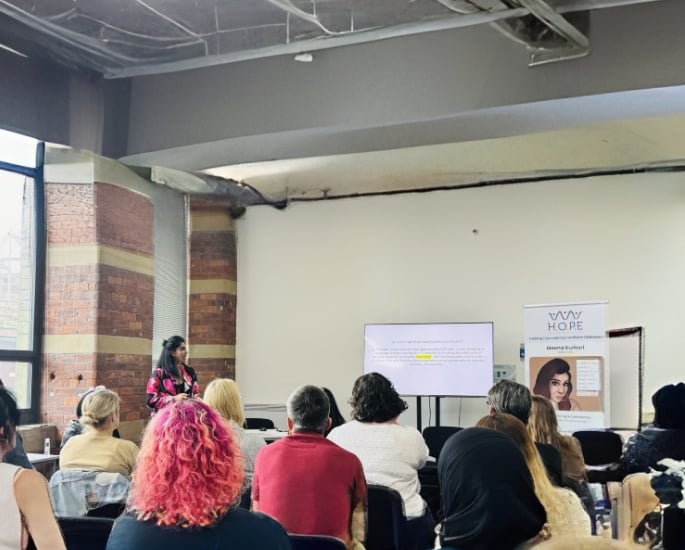
The Birmingham murder case shows why domestic abuse conversations must include coercive control.
Coercive control can develop gradually, with jealousy, monitoring, and isolation sometimes dismissed as normal relationship problems.
For some Asian families, cultural expectations around relationships and reputation can make discussions about domestic abuse more difficult.
However, family support should never mean encouraging someone to remain in an unsafe relationship.
Recognising the warning signs of a toxic relationship early can help people understand when controlling behaviour has become abusive.
In 2026, greater awareness of coercive control is essential because domestic abuse is not always immediately visible.
Ultimately, a healthy relationship should provide safety and independence, not fear and control.