
















































"modern-day toners are much more moisturising and soothing.”
As autumn arrives and the weather gets cooler, keeping skin hydrated can become harder, especially when indoor heating adds to moisture loss.
A good toner can add hydration after cleansing while preparing the skin for serums and moisturisers.
However, not every toner suits dry skin, especially formulas with high levels of alcohol.
Modern toners are often designed with hydrating ingredients such as glycerin, hyaluronic acid, and ceramides.
So, what are the best toners for dry weather, and which ingredients should you look for?
Why does Cooler Weather make Skin Drier?

Cold weather can leave skin feeling tight, rough, flaky, and uncomfortable.
Low humidity can contribute to dry skin because the air contains less moisture.
Indoor heating can also contribute to moisture loss, creating another challenge for maintaining comfortable, hydrated skin.
Cold air and indoor heat can increase water evaporation from the skin.
This can leave the skin barrier needing more support during colder months.
A skincare routine should therefore focus on gentle cleansing, hydration and moisturising.
This is where a hydrating toner can become a useful additional step.
What Does a Toner Actually Do?
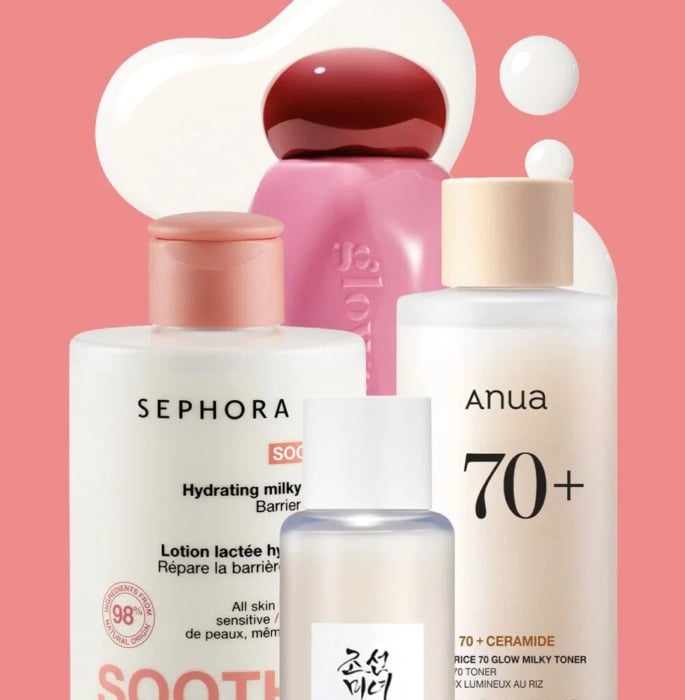
Toner is typically applied after cleansing and before serums, moisturisers and sunscreen.
Modern formulas have moved away from the harsh, alcohol-heavy products traditionally associated with toners.
Many newer formulas are more focused on hydration, soothing ingredients, and specific skin concerns.
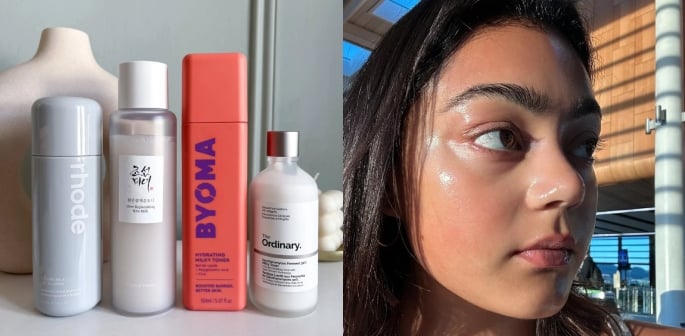
Dermatology resident Dr Angela Wei said: “Unlike old-school toners that had high alcohol content designed to remove oil on the skin and were often drying and irritating, modern-day toners are much more moisturising and soothing.”
For dry skin, the main focus should be hydration rather than aggressively removing oil.
A toner should leave skin feeling comfortable rather than tight or stripped.
This makes ingredient choice particularly important when building a routine for colder weather.
Hyaluronic Acid
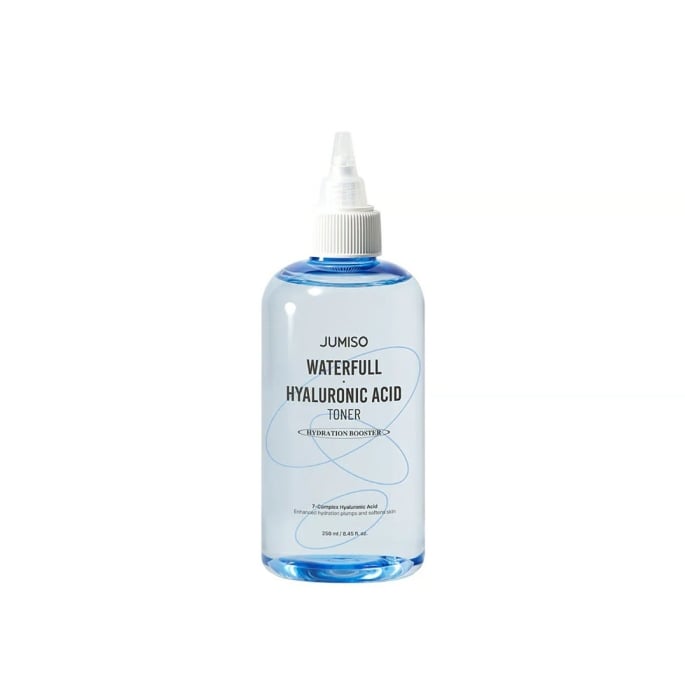
Hyaluronic acid is one of the most recognisable ingredients in hydrating skincare.
It is a humectant, meaning it helps attract and hold water within the skin.
It is commonly found in products designed to provide additional hydration without creating a heavy texture.
Dermatologist Dr Geeta Yadav describes hyaluronic acid as an ingredient capable of “hydrating, plumping, and smoothing”.
For colder weather, a toner containing hyaluronic acid can therefore complement the rest of a hydration-focused routine.
However, toner should not replace moisturiser.
After applying a hydrating toner, follow with a moisturiser suited to your skin type.
This helps create a more complete routine focused on maintaining skin hydration.
Glycerin Can Help Dry Skin
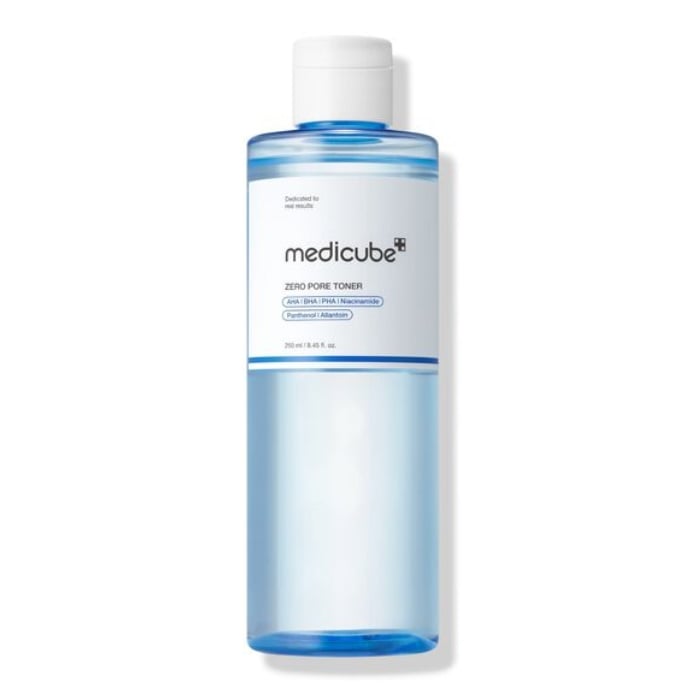
Glycerin is another ingredient worth looking for when choosing a toner for dry weather.
Like hyaluronic acid, glycerin is a humectant that attracts water towards the skin.
It is frequently used in skincare because it can provide hydration without leaving products feeling excessively heavy.
Dermatologist Dr Mona Gohara has highlighted glycerin and sodium PCA in hydrating toner formulas.
She described the ingredients as acting like “water magnets” that help keep skin looking plump and balanced.
Some hydrating toners combine glycerin with other moisturising ingredients.
These formulas can provide a lightweight layer of hydration before richer skincare products are applied.
Ceramides Can Support the Skin Barrier
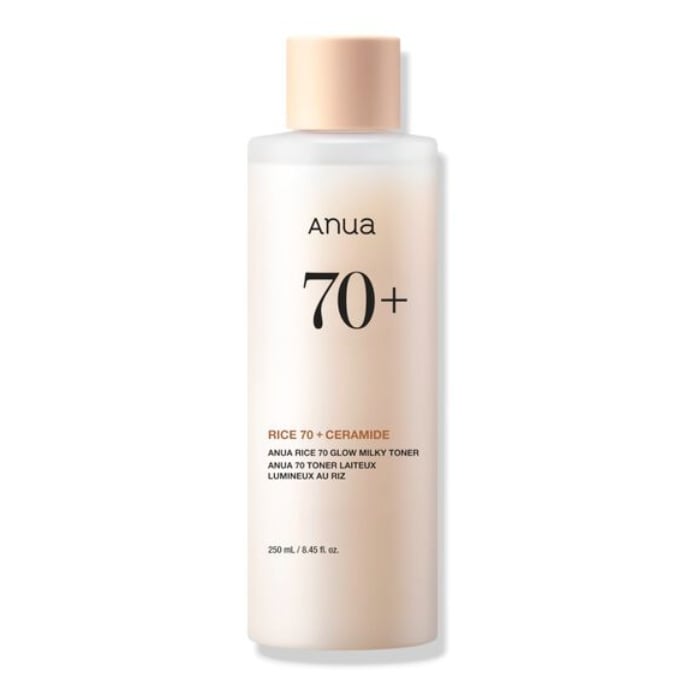
Ceramides are naturally occurring lipids found within the skin barrier.
They are widely used in skincare products designed to support dry skin and reduce moisture loss.
Ceramides can therefore be particularly useful when skin feels dry during colder weather.
Some hydrating toner formulas combine ceramides with ingredients such as glycerin and hyaluronic acid.
Dermatologist Dr Y. Claire Chang has highlighted ceramide-containing formulas as an option for people with dry skin.
This makes them worth considering when choosing a toner for an autumn or winter skincare routine.
However, the exact formulation matters, so check the complete ingredient list before buying.
How Should You Apply Toner?

Toner should generally be applied after cleansing.
For hydrating formulas, applying toner while the skin remains slightly damp can help maintain a comfortable skincare routine.
You can apply it using clean hands or a cotton pad, depending on the product and your preference:
- For a hydrating toner, pressing it gently into the skin can avoid unnecessary rubbing.
- Follow with a serum if you use one.
- Then apply moisturiser to help support hydration.
- During the daytime, finish with broad-spectrum sunscreen.
Using SPF remains important throughout the year, even when temperatures begin to fall.
Do You Need Toner Every Day?

Not everyone needs toner in their skincare routine.
However, people who enjoy an additional hydration step may find a gentle toner useful.
Some people may use toner once or twice daily, depending on the formula and how their skin responds.
If your skin feels stinging, unusually tight or irritated after application, stop using the product.
Dry skin can also have different causes, including underlying skin conditions.
If persistent dryness does not improve with a suitable skincare routine, professional advice may be appropriate.
The best toner for dry weather is not necessarily the most expensive or trendiest option.
Instead, focus on gentle formulas containing hydrating ingredients such as glycerin and hyaluronic acid.
Ceramides can also be useful when your wider routine focuses on supporting the skin barrier.
Avoiding harsh, drying formulas is particularly important when cold weather and indoor heating are already challenging your skin.
Most importantly, toner should complement a moisturiser rather than replace it.
With the right formula, a toner can become a simple way to add hydration to an autumn or winter skincare routine.