











































"I am more energised than ever about the future we are building."
Electronic Arts (EA), the gaming company behind EA FC, The Sims and Mass Effect, has been bought for £41 billion by a consortium including Saudi Arabia’s Public Investment Fund (PIF).
But why did Saudi Arabia spend billions to acquire one of gaming’s biggest publishers?
The answer goes beyond EA’s financial success. The takeover gives Saudi Arabia ownership of a global entertainment platform with influence across gaming, football and esports.
Through EA’s franchises, the country gains a direct connection with millions of players worldwide and some of the biggest names in interactive entertainment.
The deal is the second-largest acquisition in gaming history, behind Microsoft’s £51 billion purchase of Activision Blizzard.
However, it has also sparked debate about private ownership, rising debt, creative freedom and whether political interests could influence the future of EA’s games.
As EA begins a new chapter under Saudi-backed ownership, the biggest question is not only why the company was bought, but what happens next.
EA Takeover Explained
Electronic Arts is one of the most recognisable gaming publishers.
Founded in 1982, the American company has developed and published some of the industry’s most successful franchises, including EA FC, The Sims, Battlefield and Mass Effect.
The £41 billion acquisition was completed by a group of investors including Saudi Arabia’s Public Investment Fund and Affinity Partners, an investment firm led by Jared Kushner, President Donald Trump’s son-in-law.
The takeover means EA has become a private company. Its publicly traded shares have been purchased, meaning it will no longer operate on the stock market.
The deal is also considered the largest leveraged buyout in gaming history. A leveraged buyout occurs when a significant portion of an acquisition is funded through borrowed money.
While PIF contributed £26 billion towards the purchase, it reportedly borrowed £14 billion from investment bank JPMorgan to complete the deal. That debt will become part of EA’s financial responsibilities.
This has led to questions about how the company will manage repayment costs and whether it could affect future decisions around games, staff and investment.
Bloomberg journalist Jason Schreier suggested the financial pressure could result in “mass layoffs, more aggressive monetisation, and other big cost-cutting measures”.
Christopher Dring, editor-in-chief and co-founder of The Game Business, said the nature of the buyout could also result in closer involvement from the new owners.
He said: “Private equity firms are typically aggressive in their management of companies.”
The potential impact on EA’s creative direction has also concerned some within the gaming industry.
Shams Jorjani, chief executive of Arrowhead Game Studios, said EA has historically benefited from having a broad portfolio that includes major franchises and smaller projects.
He said: “This deal is consolidation, no question, and I wonder whether new ownership optimises for the safe bet – more sequels, more mega-franchises – over that breadth.
“I’m hopeful this leads to more of that range, not less, but if it turns EA into a sequel-and-mega-franchise machine, that’s a real waste of one of the best catalogues in the industry.”
Despite concerns surrounding the takeover, EA remains one of gaming’s strongest commercial performers.
The company generated £5.5bn in revenue in 2025, while Battlefield 6 achieved more than seven million sales during its first three days of release. However, further layoffs affecting teams involved with the game followed.
EA chief executive Andrew Wilson will remain in his position following the acquisition.
At the announcement of the deal, Wilson said EA planned to “create transformative experiences to inspire generations to come”.
He added: “I am more energised than ever about the future we are building.”
Why does Saudi Arabia care about EA?
Saudi Arabia’s interest in EA is not only about owning a successful gaming company. Analysts believe the acquisition fits into a wider strategy to invest in industries that can increase the country’s global influence.
The Public Investment Fund is a £514bn investment fund controlled by the Saudi Arabian government. It has invested across multiple sectors, including sport, technology and entertainment.
Gaming has become an increasingly important part of Saudi Arabia’s diversification plans as the country attempts to reduce its economic dependence on oil.
The industry is one of the largest entertainment markets in the world, with billions of players globally. Owning EA gives Saudi Arabia access to a company whose franchises are already embedded in popular culture.
George Osborn, journalist and author of Power Play: Video Games, Politics and the Battle for Global Influence, said EA remained an “appealing” investment despite its high price.
He highlighted the company’s 35-year history and its “seemingly evergreen” live-service games, which continue generating revenue through updates and ongoing player engagement.
However, Osborn said EA’s importance to PIF goes beyond financial returns.
He explained that the company represents a valuable soft power asset.
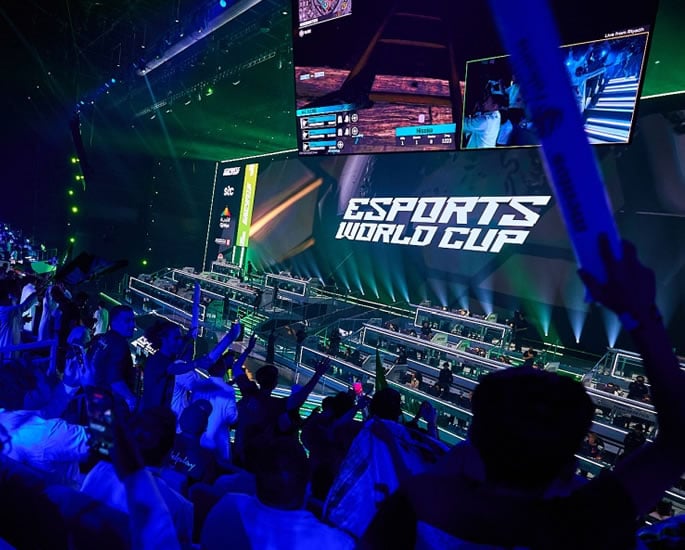
Saudi Arabia has already expanded its influence in global sport through PIF’s ownership of Premier League club Newcastle United, investments in Saudi football clubs and major esports events, including the Esports World Cup in 2025.
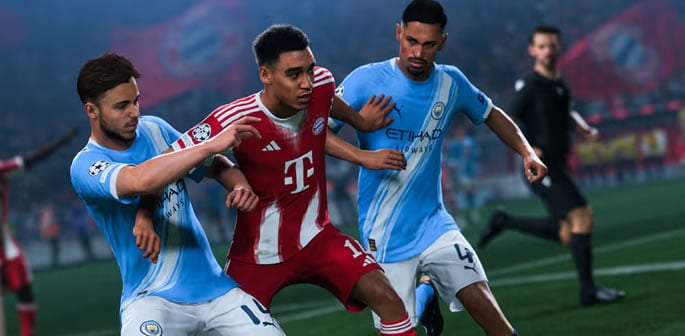
The acquisition of EA strengthens that connection because of the company’s relationship with football through EA FC.
The game features thousands of professional players, hundreds of clubs and dozens of football leagues, giving Saudi Arabia access to a huge global audience.
Osborn said: “If the PIF’s football strategy limited them to ownership of Newcastle United and some Saudi Pro League teams, owning EA hands them a relationship with the 20,000 players, 750 clubs and 35 leagues at the top of the professional game.
“What is clear is that a state seeking to shape perceptions now owns an asset with proven reach to billions of people.
“How it uses it in the years to come is something we should watch closely.”
Could Saudi Arabia’s Ownership change EA Games?

One of the biggest questions surrounding the takeover is whether new ownership could influence the games EA produces.
Concerns have particularly focused on franchises such as The Sims, which champions inclusivity and LGBTQ+ relationships.
Critics have questioned whether ownership by PIF could affect themes linked to diversity, LGBTQ+ representation or social issues.
In Saudi Arabia, consensual same-sex sexual activity can be punishable by death or flogging under interpretations of Sharia law.
The advocacy group Players Alliance HQ has encouraged gamers to contact politicians and speak out against the acquisition.
Its campaign states:
“Video games are a reflection of culture and people through their storylines, characters and representation.”
“With the PIF being the majority owner in the potential buyout, there is a large concern that creative decisions could be influenced by these outside factors, leading to themes such as free speech, gender, LGBTQI+ and other aspects of Western politics being reduced or fully censored across major franchises.”
Saudi Arabia’s investments in global sport and entertainment have previously attracted accusations of sportswashing, a term used by critics who argue that major investments can improve a country’s international image while diverting attention from human rights concerns.
The Saudi Arabian government has repeatedly rejected such allegations.
PIF is controlled by Saudi Arabia’s Crown Prince Mohammed bin Salman, whose government has faced international criticism over human rights issues.
A 2019 United Nations report stated that “the state of the Kingdom of Saudi Arabia is responsible” for the death of journalist Jamal Khashoggi, who had criticised the Saudi government.
Saudi Arabia has always denied responsibility.
The acquisition of EA represents a major shift for one of gaming’s most influential companies.
For Saudi Arabia, the purchase provides a global entertainment asset with links to football, esports and millions of players. For EA, it creates a new ownership structure that could bring fresh investment but also pressure to deliver strong financial returns.
The coming years will determine whether the takeover changes how EA operates, how it develops games and how players experience its franchises.
Ultimately, Saudi Arabia has acquired one of the gaming industry’s biggest cultural platforms, and how that platform is used will shape the next era of EA.