













































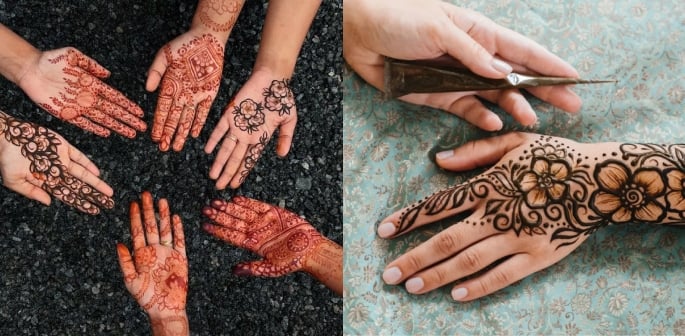
"Having my mehndi done was one of the most special parts of getting married."
For centuries, mehndi has been a powerful symbol of beauty, celebration, and culture across South Asia.
Now, the traditional art form is experiencing a modern revival, with intricate designs appearing on TikTok and Instagram, and influencing beauty standards.
From elaborate bridal patterns to minimalist designs, mehndi is being reimagined for a new generation.
Mehndi has never been simply about decoration. Across generations, it has carried cultural meaning, marked important celebrations, and remained closely connected to South Asian identity.
While the tradition has continued to hold its significance, its journey has taken it far beyond its original cultural settings. Today, mehndi can be seen across different communities and cultures, with new styles continuing to emerge.
But before exploring how mehndi became part of modern beauty culture, it is important to look back at its ancient origins and understand how the tradition began.
Ancient Origins
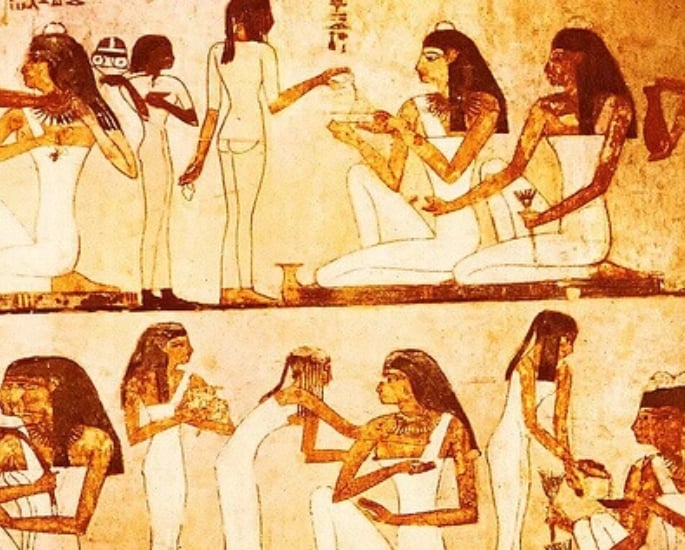
The history of mehndi stretches back thousands of years, with evidence suggesting henna was first used in ancient Egypt, North Africa, and parts of the Middle East.
Long before it became associated with body art, the crushed leaves of the henna plant were valued for their cooling properties, helping people cope with intense heat in warmer climates.
As henna leaves were crushed, mixed, and applied to the skin for their cooling effect, people would notice that they left behind a temporary reddish-orange stain.
This natural staining property eventually led henna beyond its practical use and into beauty rituals and ceremonial occasions.
Through trade routes and cultural exchange, henna gradually spread from North Africa and the Middle East into South Asia.
As the practice reached different parts of South Asia, it was adapted to local customs, traditions, and celebrations, giving rise to distinctive artistic styles.
Over generations, these designs became increasingly detailed and symbolic, with different patterns and application styles developing across communities.
What began as the use of a natural plant gradually became an important part of cultural life, particularly during weddings and religious celebrations.
Over generations, mehndi became an important part of cultural life, particularly at weddings and celebrations.
What started as a simple use of a natural plant grew into a tradition that carried meaning, memories and cultural identity from one generation to the next.
A Cherished Wedding Tradition
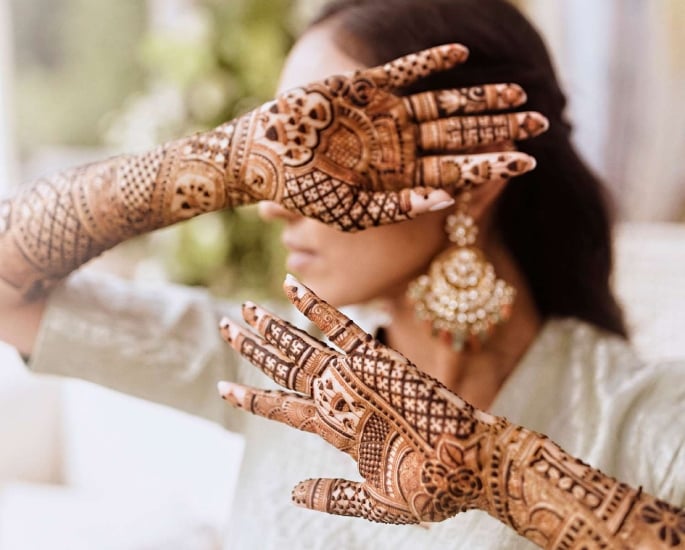
Few South Asian wedding customs are as widely recognised as the mehndi ceremony.
Across Pakistan, India and Bangladesh, it marks the beginning of the wedding celebrations and brings together relatives and friends for an evening filled with music, dancing, food and laughter.
For the bride, the application of mehndi is often one of the most anticipated moments before the wedding day.
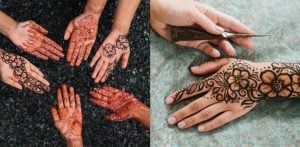
Skilled artists spend hours creating detailed patterns across the hands and feet, carefully blending floral motifs, paisleys, and intricate linework into unique designs.
Many families also embrace long-standing traditions surrounding bridal mehndi.
One popular belief suggests that a darker henna stain represents a stronger bond between the newlyweds or reflects the affection of the bride’s in-laws.
Although this is rooted in folklore, it continues to add excitement and symbolism to the occasion.
The ceremony itself has become just as meaningful as the designs.
It offers families an opportunity to celebrate together before the formal wedding events begin, creating memories that are often treasured long after the henna has faded.
The Evolution of Mehndi Design
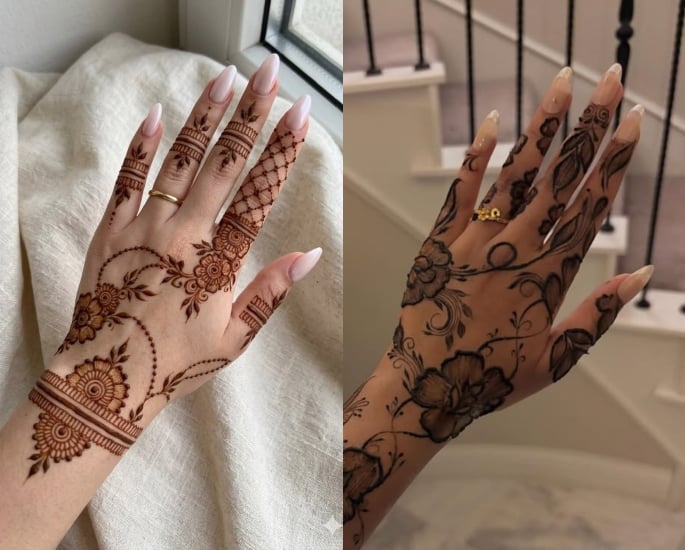
While traditional South Asian mehndi remains incredibly popular, modern bridal trends have introduced a wide variety of styles that cater to different personalities and preferences.
Arabic mehndi, recognised for its flowing floral trails and use of open space, has become increasingly popular among brides looking for a more delicate and understated style.
By comparison, traditional Indian and Pakistani designs are often more intricate, featuring dense detailing, fine lace-like patterns and fuller coverage across the hands and feet.
Fusion designs have also become increasingly popular.
Indo-Arabic styles combine the bold elegance of Arabic patterns with the fine detailing associated with South Asian artistry, creating a look that feels both classic and contemporary.
Meanwhile, Somali and Khaleeji-inspired designs have gained recognition for their striking geometric shapes and distinctive layouts, reflecting the growing appreciation for different henna traditions around the world.
Many brides are now choosing personalised mehndi that tells their own story.
Initials hidden within the design, meaningful dates, favourite flowers, pets, skylines or illustrations representing shared memories allow each design to become unique.
Rather than simply following tradition, brides are using mehndi as a way to express their personalities while honouring their cultural heritage.
Shareena Akhtar told DESIblitz: “Having my mehndi done was one of the most special parts of getting married.
“I loved being able to choose designs that reflected my personality while still keeping that connection to my culture and traditions.”
Minimalist designs have also found a place within modern weddings.
Delicate wrist patterns, finger details, and smaller motifs appeal to those who prefer simplicity without sacrificing elegance.
These lighter styles demonstrate how mehndi continues to evolve while remaining connected to its roots.
Social Media’s Influence
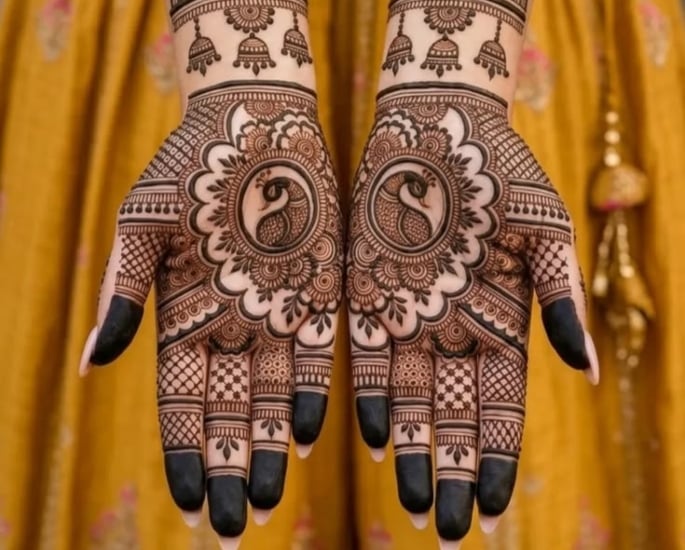
The rise of social media has transformed the world of bridal mehndi in ways few could have imagined.
Platforms such as Instagram, Pinterest, and TikTok have become endless sources of inspiration, allowing brides to explore thousands of designs before choosing one that reflects their personal style.
Social media has also transformed how professional mehndi artists showcase and share their work.
Social media platforms allow artists to reach audiences across the globe, introducing brides to techniques and regional styles that may once have remained local traditions.
A bride in Birmingham can now discover a design created by an artist in Karachi, Dubai or Delhi within seconds, showing how social media has made mehndi trends more accessible and influential than ever before.
Celebrity weddings have also become powerful sources of mehndi inspiration, with social media allowing bridal looks to reach millions of people almost instantly.
When a high-profile bride shares her wedding photographs online, her mehndi design can quickly become a trend, inspiring brides to recreate similar patterns or adapt elements into their own designs.
Social media has made it easier for these looks to spread, while mehndi artists can use them as inspiration to experiment with new ideas and create designs that combine current trends with the craftsmanship of traditional mehndi.
This global exchange has expanded creative possibilities without diminishing the cultural significance behind the art itself.
Preserving Heritage through Creativity
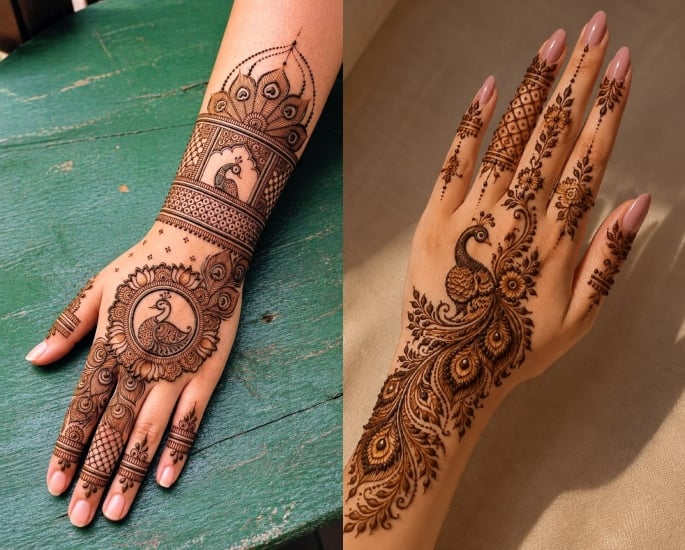
Although styles continue to change, the meaning behind mehndi remains remarkably consistent.
It continues to symbolise celebration, new beginnings and the coming together of families during life’s most important moments.
Today’s artists are finding new ways to preserve this heritage while embracing innovation.
Many are choosing natural, organic henna over chemical alternatives, reflecting a growing awareness of skin health and sustainability.
Others are combining traditional motifs with modern artistic techniques to create designs that honour the past while appealing to contemporary tastes.
This influence has even extended beyond South Asian communities, with tourists increasingly choosing temporary mehndi while on holiday as a way to experience the tradition.
However, not all temporary henna is safe. Black henna, in particular, can contain a chemical called PPD, which can cause serious skin reactions and, in some cases, long-lasting sensitivity.
As mehndi continues to reach new audiences, understanding the difference between natural henna and potentially harmful alternatives is just as important as appreciating the art itself.
The ability of mehndi to adapt is one of the reasons it has remained relevant for generations.
Rather than replacing tradition, modern trends have encouraged a new appreciation for an art form that continues to evolve across cultures and communities.
Shareena adds:
“Mehndi feels like a way of carrying my culture with me while still making it my own.”
“I love that the designs can be traditional, but there is also so much room for creativity and personal expression.”
Mehndi has travelled a remarkable journey from its ancient beginnings to its place at the centre of modern South Asian celebrations.
Although designs have become increasingly diverse and influenced by global fashion, the heart of the tradition remains unchanged.
As a form of body art, mehndi allows individuals to express their identity, creativity and personal style through intricate designs applied directly to the skin.
Its lasting appeal lies in the way it combines artistic expression with centuries of cultural heritage, while continuing to evolve through new techniques, patterns, and influences.
From traditional motifs to contemporary designs, mehndi remains a living art form that connects the past with the present while giving each person the opportunity to make the tradition their own.