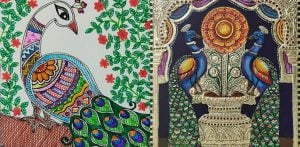

















































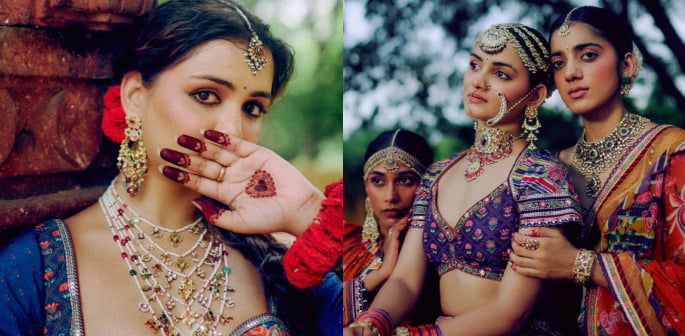
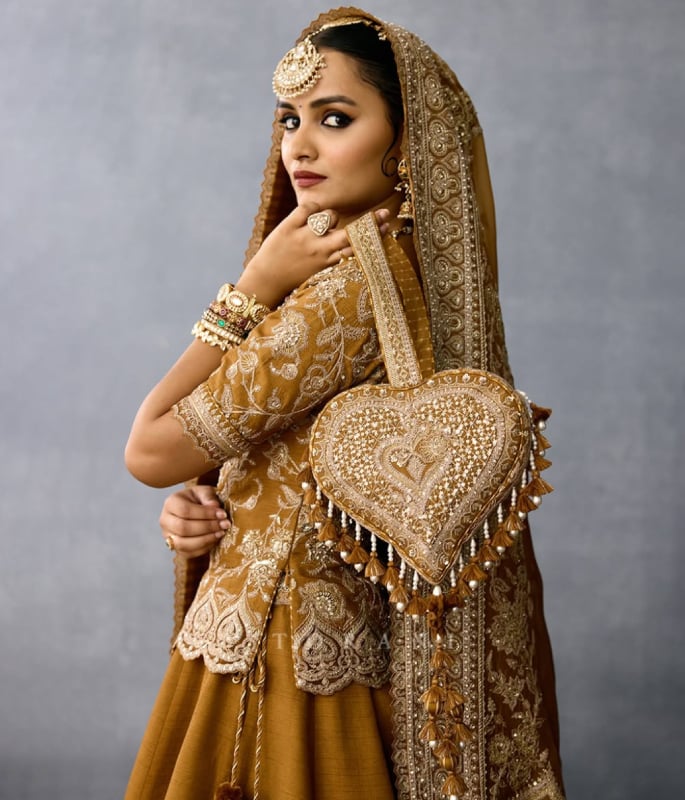
The brand embraces earthy, decadent tones inspired by nature.
Torani has quickly established itself as a defining force in South Asian luxury fashion, effortlessly marrying heritage craftsmanship with contemporary design.
The brand exemplifies that traditional garments are not relics to be preserved but living canvases for modern expression.
Since its inception in 2018 by Karan Torani, the label has challenged rigid perceptions of Indian clothing, proving that cultural authenticity and modern aesthetics can coexist.
Torani’s pieces resonate with South Asians in the UK and globally, offering garments that are meaningful, wearable, and visually captivating.
The brand’s ethos is grounded in a personal exploration of Indian textile traditions, ensuring that every creation is culturally informed and intentionally crafted.
By refusing to confine heritage garments to ceremonial wear, Torani has redefined luxury fashion for a new generation.
Authentic Heritage Inspiration
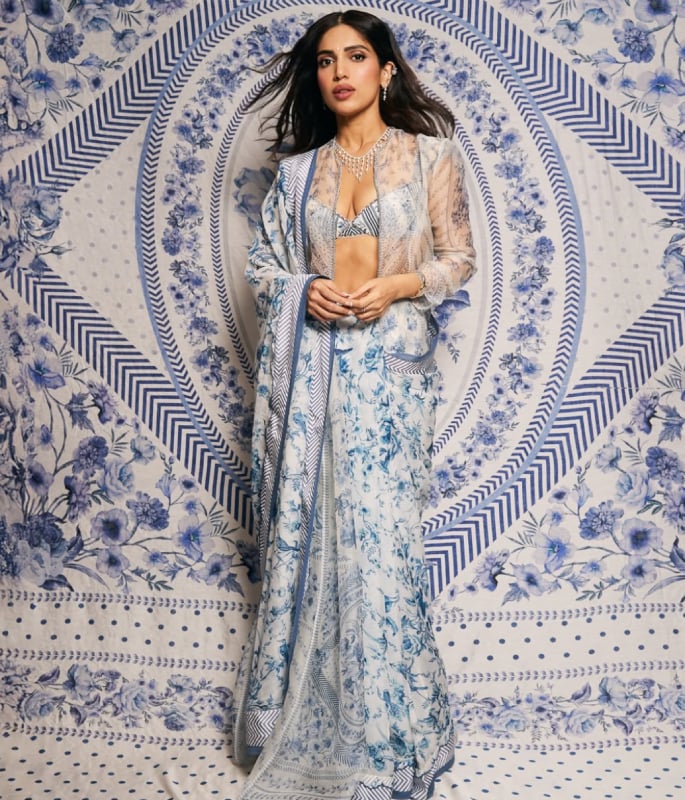 Torani’s design philosophy is rooted in deep respect for cultural authenticity and personal narrative.
Karan Torani dedicated six years to researching Indian looms and crafts, travelling from Bihar’s Madhubani to Gujarat’s Bandhej, Chanderi to Kolkata’s mulmul fabrics.
Rather than using these traditions as superficial embellishments, he elevates them as the narrative backbone of each collection.
His grandmother’s everyday Chanderi sarees inspired his fascination with the “classic beauty of Indian handlooms,” blending memory with craftsmanship.
The brand draws heavily on Sindhi culture and Indian mythology, with the seven-trunked elephant Airavata serving as its emblem of prosperity and transformation.
Campaigns feature Hindu fables and traditional art, creating a rich tapestry of cultural storytelling that honours family values and heritage.
Every garment undergoes artisan-led processes, from handwoven textiles to meticulously applied embellishments, preserving techniques that might otherwise fade.
Making Heritage Wearable
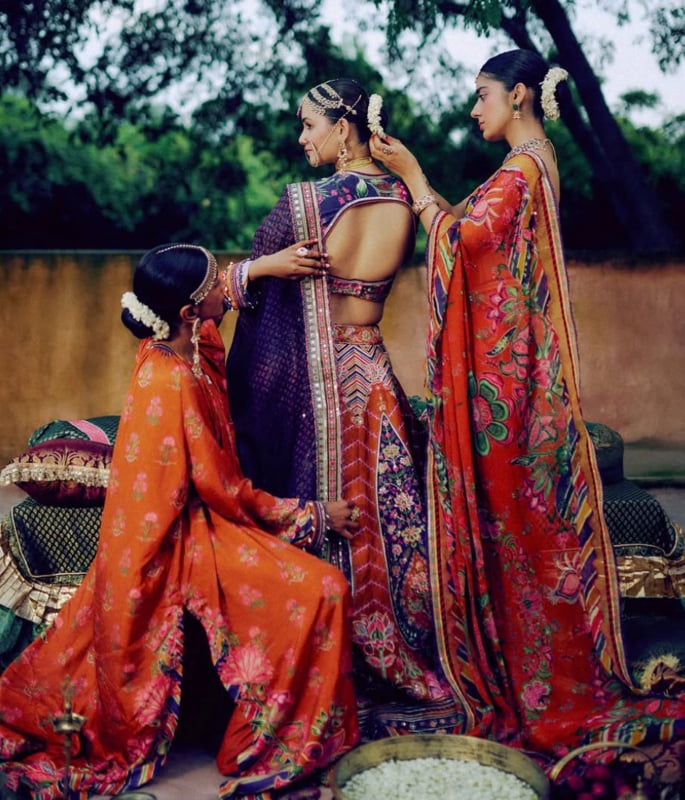 Torani expands the scope of traditional garments, proving they are versatile beyond weddings or formal events.
Sarees, lehengas, and kurtas are reimagined for office wear, casual gatherings, and daytime occasions.
The brand updates silhouettes without losing authenticity, pairing kurta sets with palazzo pants or flowing shararas instead of restrictive lehengas.
Kaftans and structured jackets overlay traditional designs, while coordinated sets blur the lines between ethnic and contemporary fashion.
The Mughal-era sharara is reinterpreted with fluidity and drama, balancing regal aesthetics with practicality for modern wearers.
Torani embraces the fluidity of tradition, acknowledging historical influences from British, Persian, and other cultures, while asserting that Indian clothing naturally evolves without losing its essence.
These innovations make heritage fashion accessible, stylish, and socially relevant.
Fabric and Technique Innovation
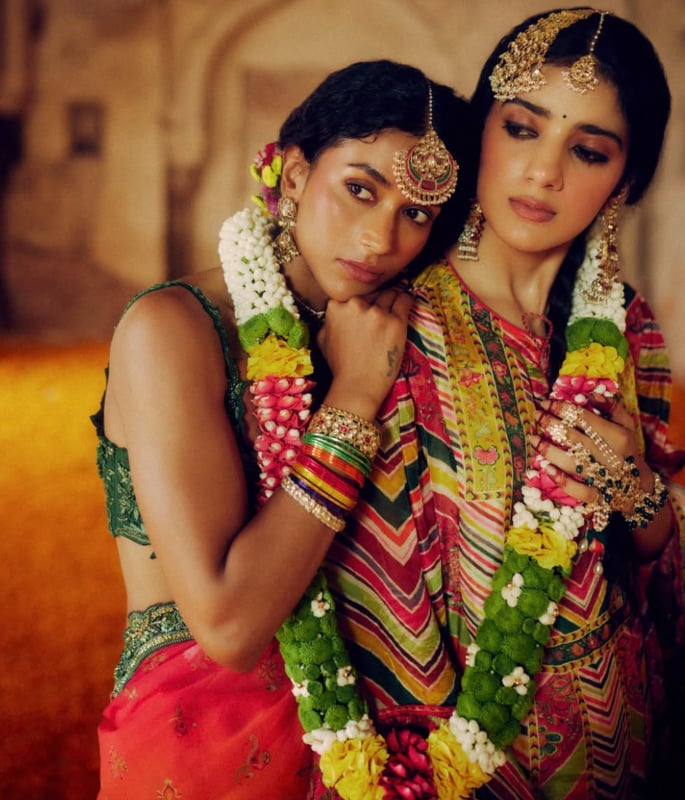 Torani demonstrates exceptional understanding of fabric and technique, balancing tradition with contemporary practicality.
Handwoven Chanderi silk is chosen for its lightweight quality, ensuring sarees are wearable year-round rather than reserved for heavy ceremonial use.
Embellishments fuse traditional and modern techniques, combining hand embroidery with digital printing, gota and dori work with contemporary ghungroos, and zardozi with sequins and mirrors.
Modern reinterpretations of classic crafts appear in celebrity commissions, such as Suhana Khan’s lehenga that integrates Gujarat’s Patola motifs into a corset adorned with ghungroos and latkans.
This approach enhances craftsmanship without erasing heritage, respecting the skill and patience of artisans.
By merging age-old techniques with new methods, Torani elevates both the aesthetic and functional aspects of Indian textiles.
The result is garments that honour the past while seamlessly fitting into a modern wardrobe.
Colour Palette and Aesthetic Modernisation
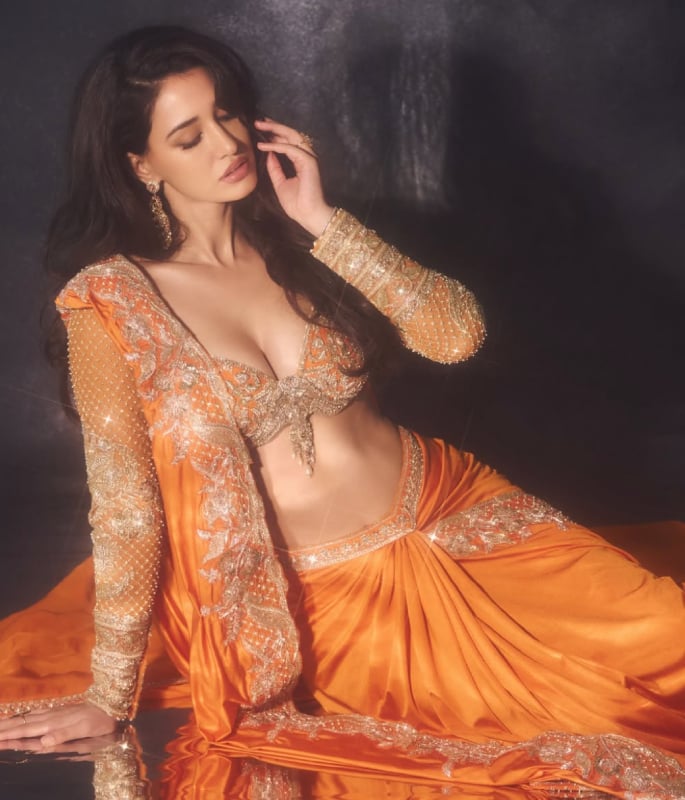 Torani applies contemporary colour sensibilities to heritage textiles, moving away from traditional reds and golds.
The brand embraces earthy, decadent tones inspired by nature, including sun, sea, foam, and clay hues, making heritage wear feel fresh and relevant.
Seasonal collections demonstrate sophisticated colour curation, such as a Diwali-inspired sharara blending marigold mustard, fiery red, and mehendi greens.
The interplay of subtle colour gradations enhances visual impact while avoiding overly ornate designs.
This restraint aligns with contemporary aesthetic preferences for minimalism and intentionality, giving heritage garments a modern clarity.
By carefully balancing colour, texture, and embellishment, Torani ensures that traditional fashion is both striking and wearable.
The brand proves that colour innovation can amplify cultural resonance without undermining authenticity.
Narrative-Driven Marketing and Cultural Representation
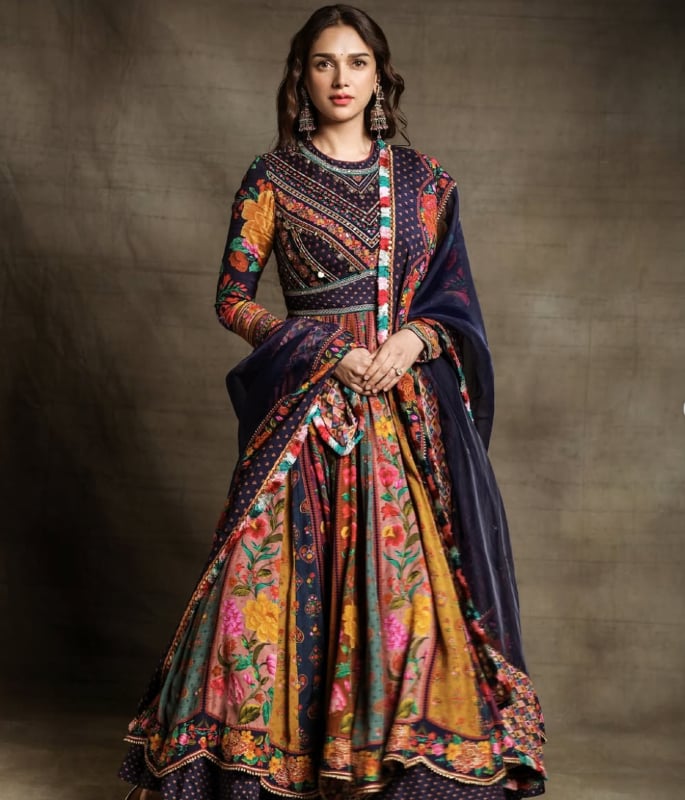 Torani’s campaigns highlight cultural storytelling rather than glamour alone, centring the garment’s heritage and social significance.
The Jamali Kamali menswear campaign explored a hidden Mughal-era love story, bringing queer histories into the fashion conversation.
The Sindhi Tent House collection celebrated Indian weddings in all their unfiltered glory, including orchestras, bandwalas, and currency garlands.
Mithyaa – Seven Sacred Sins used fashion to critique laws restricting women’s agency and desire, demonstrating that luxury design can carry social commentary.
Influencers and digital creators are foregrounded, connecting heritage fashion with modern, online cultural spaces.
Torani’s approach proves that fashion can preserve tradition while engaging with contemporary feminist and queer values.
This commitment to storytelling makes the brand culturally relevant and socially conscious in a competitive market.
Retail and Brand Experience
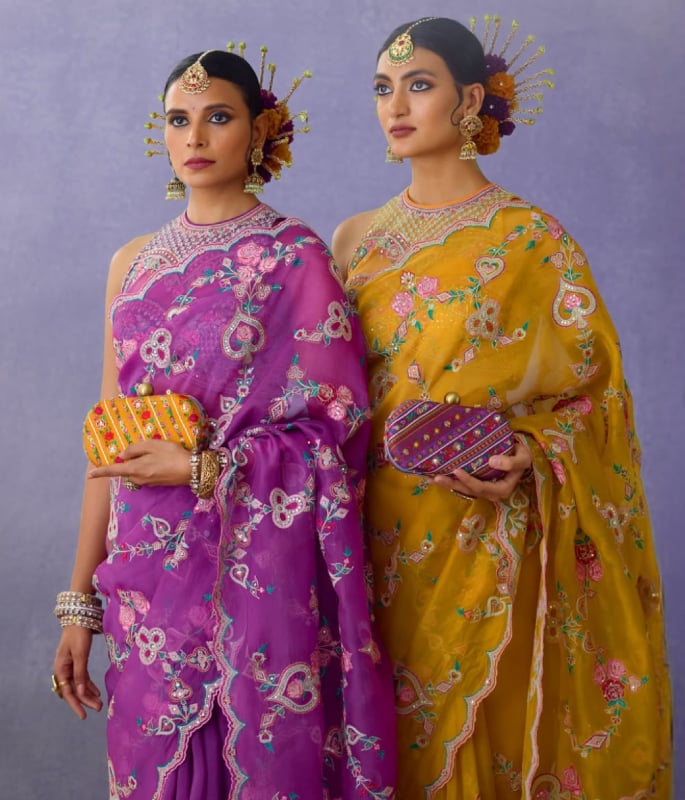 Torani’s flagship store in Khan Market reflects the same balance of tradition and modernity.
Sindhi-inspired architecture, with domes and curvilinear arches, contrasts with minimalist, unfinished interiors that highlight the garments themselves.
The space rejects cluttered luxury, emphasising craftsmanship over spectacle and allowing customers to focus on textile detail and design.
Every product is custom-made, with slight variations in colour, pattern, and texture embraced as part of the artisan process.
This transparency celebrates the human touch and ethical production standards, appealing to modern consumers seeking sustainability and authenticity.
The brand experience reinforces Torani’s philosophy that heritage and contemporary design coexist seamlessly, making luxury fashion personal, deliberate, and culturally grounded.
Customers are invited to engage with garments as living art rather than static display pieces.
Evolution, Not Erasure
 Torani exemplifies that modernisation does not equate to the erasure of culture or craftsmanship.
The brand maintains rigorous artisan standards while evolving silhouettes, techniques, and aesthetics to meet contemporary needs.
Minimalist presentation, innovative textiles, and narrative-driven campaigns demonstrate that authenticity and modernity are complementary, not opposing forces.
Karan Torani’s inspiration from his grandmother’s Chanderi saree transforms traditional forms into infinitely adaptable designs.
Each collection honours heritage while acknowledging the ongoing evolution of South Asian fashion.
For consumers who value both cultural relevance and timeless craftsmanship, Torani offers garments that are meaningful, wearable, and beautiful.
The brand proves that tradition is a living dialogue, open to reinterpretation, relevance, and contemporary expression.