













































"This will include most households exempt from council tax"
Around 20 million households across England are set to receive a £100 payment from the Government to help with energy costs this winter.
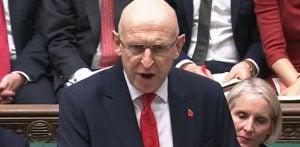
Chancellor John Healey made the announcement during his maiden Budget.
The £2.6 billion scheme will cover households living in properties in council tax bands A to D, meaning approximately 80% of households in England will be eligible.
The announcement comes as households continue to face pressure from the cost of living, with energy bills forecast to rise in the new year.
Here’s what you need to know about the £100 Household Energy Payment, including who is eligible, when the money will arrive and how the scheme will work.
Who is Eligible?
Households in England will be eligible if they live in a property in council tax bands A to D and are liable for council tax on that property as their main home.
Approximately 20 million households are expected to benefit, covering around 80% of households in England.
Explaining the eligibility criteria, the Government said: “This will include most households exempt from council tax, with full eligibility criteria to be published in due course.
“Second homes, empty properties or households where the householder isn’t responsible for paying council tax are not eligible.”
This means that the scheme will cover most households living in eligible properties, although certain exemptions and circumstances may affect eligibility.
The Government is expected to publish further details explaining the full criteria in due course.
How and When will the £100 be Paid?
The Household Energy Payment will be distributed through the council tax system, with payments scheduled to begin in January 2027.
Most eligible households that pay their council tax by direct debit will receive the money directly into the bank account used for their payments. Those who do not pay by direct debit will be contacted by their local council and invited to apply for the rebate.
The Government added: “Nobody other than your council should get in touch asking you to claim the rebate. Only give out your personal information if you are certain it is your local council contacting you.
“If you’re unsure whether a message is genuine, double-check with your council.”
Households should therefore be cautious of unsolicited messages asking them to provide personal or financial information to claim the payment.
Anyone unsure whether a request is genuine should verify it directly with their local authority.
How can I Check Whether my Home is in Council Tax Bands A to D?
Households in England can check their property’s council tax band through the Government’s online service.
The easiest way to do this is to visit the official council tax band checker and enter the property’s postcode. The band will also be displayed on a paper council tax bill.
Checking the band can help households establish whether their property falls within the scheme’s eligibility criteria.
However, being in bands A to D does not automatically guarantee eligibility, as the Government has also set conditions relating to the property being a main home and council tax responsibility.
Are Households in Scotland, Wales & Northern Ireland Eligible?
The scheme was announced for England, but the Chancellor confirmed that Scotland, Wales and Northern Ireland would receive funding through the Barnett formula to enable their respective governments to provide comparable support.
Mr Healey urged the devolved administrations to follow suit to “give people of all nations in the UK breathing space on their energy bills this winter”.
The Welsh Government said it will also provide a £100 cost-of-living payment to households in council tax bands A to D.
Meanwhile, the Scottish Government said it would “seek to replicate” the £100 energy payment.
In Northern Ireland, the Government does not have the legal authority to make the payments without agreeing its budget, which it has failed to do since the start of the financial year.
Households outside England should therefore check announcements from their respective devolved administrations for confirmation of the arrangements that will apply to them.
Will I receive the Payment if I don’t Pay Council Tax?
Students living in university halls will not receive the payment because student accommodation is not classified within council tax bands A to D.
However, students living in private rented accommodation may qualify if their home falls within the eligible council tax bands.
Although students are generally exempt from paying council tax, the Government has indicated that the scheme will include most households exempt from the tax.
Local authorities will be responsible for determining how eligible people who do not pay council tax receive the money. This also applies to people who qualify for other council tax exemptions and those who pay their bills through methods other than direct debit.
The Government said it would issue guidance to councils explaining how these payments should be administered.
Further details are expected to clarify the arrangements for students and other households that cannot receive the money through the standard direct debit process.
Is £100 enough to Cover Rising Energy Bills?
Although the £100 payment will provide some financial relief, it may not be enough to offset the expected increase in energy costs.
Consultants Cornwall Insight have forecast that a typical annual household energy bill could rise by £276 in January 2027.
Other recent forecasts suggest the average annual bill could increase by around £400 to £2,100.
If these forecasts materialise, the £100 payment would cover only part of the additional cost faced by affected households.
The actual impact will depend on how much each household’s energy costs increase, meaning some households could still face a higher overall bill despite receiving the support.
Do I Have to Spend the £100 on Energy Bills?
The payment has been introduced to help households manage their energy costs, but recipients will not be required to spend the money specifically on gas or electricity bills.
As the money will generally be paid directly into people’s bank accounts, households will be able to decide how to use it.
This means recipients could put the payment towards their energy bills or use it to cover other essential household expenses.
How is the Government funding the £100?
The Chancellor has said the scheme will be funded through a tax increase on banks.
The surcharge on banks’ corporation tax will rise from three per cent to six per cent for 15 months, running from January 2027 to March 31, 2028.
The additional revenue is intended to help fund the £2.6 billion Household Energy Payment scheme, allowing the Government to provide financial support to millions of households during the winter.