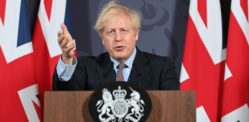







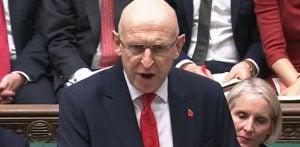





































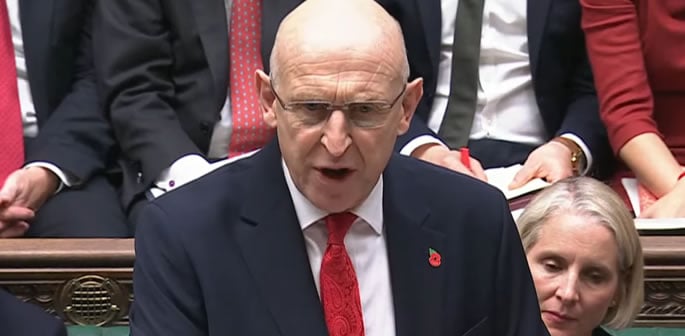
Healey announced the standing charge on gas bills is being scrapped.
Chancellor John Healey unveiled the long-anticipated budget, the first for Prime Minister Andy Burnham.
Dubbing it a budget “for the working people”, Healey said it is “delivered at a time when global uncertainties and pressures are swirling worldwide and hitting people here at home”.
He said the administration would have a new approach to steer people through global storms and give them renewed hope for Britain’s future.
According to the Treasury, Healey wants to make Britain “more resilient” to and to help households with “everyday costs”.
Here are the key points and main announcements from the first budget of Andy Burnham’s premiership.
VAT and Green Levies
Some green levies have been taken off household energy bills and moved into general taxation.
This means bill payers may see monthly charges fall.
As announced in September 2026, the government has cut tax on electricity bills to zero. This VAT cut has been extended until July.
Energy Bills
In his budget, Healey announced the standing charge on gas bills is being scrapped.
Approximately 23 million homes will benefit from removing the levy, which is paid regardless of how much or little gas is used.
The Treasury estimates the removal will take £45 off an annual bill for 60% of households, as the charge is instead levied on the unit rate.
New Energy Payment
Twenty million households in council tax bands A to D will receive a new £100 energy payment.
From January 2027, it will be paid directly into bank accounts through the council tax system and will be funded by higher bank taxes.
Healey said the governments of Scotland, Wales and Northern Ireland would receive their share of the £2.6bn scheme, and encouraged them to do the same.
Banking Tax
Banks are to be subject to a higher tax, with the surcharge increasing from 3% to 6%, on top of the existing 25% corporation tax.
The increase will take effect in January and last for 15 months.
Import Tariffs on some Imported Food
Tariffs have been removed from more than a hundred imported food items.
Foods include gherkins, baked beans and chocolate.
According to the government, this could save up to £21 a year.
Business Rates
The threshold for paying business rates, a tax on commercial properties, has increased from £12,000 to £18,000 for retail, hospitality and leisure businesses.
The Chancellor said this means half of shops, restaurants and gyms will pay no business rates.
Devolution
From 2027, national mayors will receive 20% of business rates revenue. From 2028, they will also receive a share of income tax revenue.
From 2028, mayors and other authorities will also be able to introduce a tourist tax, known as an overnight visitors levy.
Online Marketplaces to Collect VAT
Healey said he will strengthen the requirements for online marketplaces to collect VAT from online sellers.
Wages
Workers between 18 and 20 years old will see their pay rise by 3.9%.
That is the same increase as those aged 21 years and over.
State Pension
Pensioners receiving the state pension are to be shielded from paying income tax this quarter.
Cash ISA U-Turn
Plans to slash the annual cash Individual Savings Account (ISA) have been scrapped.
The allowance will remain at £20,000 rather than falling to £12,000 as announced by the former chancellor Rachel Reeves at the budget in 2025.
The Treasury will also work with the private sector to create a new starter ISA to reward first-time investors.
The duty, or tax, paid on diesel and petrol has again been frozen until July.
Fuel Duty
The duty, or tax, paid on diesel and petrol has been frozen again until July.
The 5p cut that was announced in 2022 remains.
Social Housing
Sales of land to social housing providers will be VAT-free
An additional £1.5 billion will be provided for the government’s social and affordable housing programme.
Brownfield Sites
More brownfield sites will have biodiversity requirements removed, in a bid to get more council homes built.
First-time buyers ISA
A first-time buyer’s ISA will replace the lifetime ISA.
Funds to Tackle Rough Sleeping
Funding to end rough sleeping has doubled to support one of Andy Burnham’s first promises when he became Prime Minister.
A £430 million package aims to provide emergency accommodation and support.
Defence Spending to Rise
Defence spending will rise to 3% of GDP (a measure of everything produced in the economy) by 2030 and to 3.5% of GDP by 2035.
Details of how this will be done were not announced. Healey said instead, it will come at the 2027 spending review.
Paid Parental Leave
Paid parental leave has been extended to self-employed fathers and their partners.
Social Care
Carers allowance will be tapered off as their earnings rise rather than simply being cut off once their income reaches £204 a week.
It means the allowance will not be cut off entirely if they earn a penny more than the threshold.