
















































"reporting these accidents is important to influence and change policy"
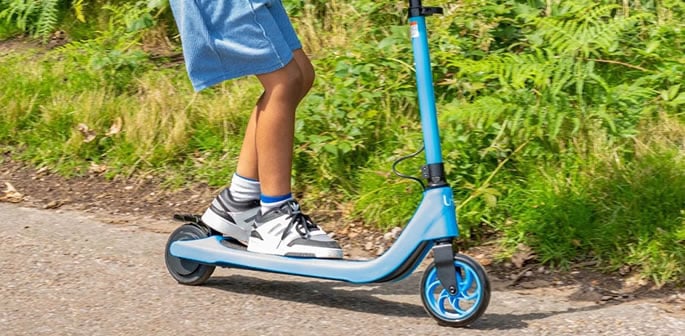
A new review suggests that children are increasingly being treated for injuries linked to e-scooters, with three UK trauma centres recording 477 cases involving under-16s since 2019.
Trauma centres in Liverpool, Manchester and Sheffield reported a sharp rise in cases, from fewer than 10 children in 2019 to almost 150 in 2024.
The average age of those injured was 12, while the youngest was nine. Half of the children were aged between 10 and 13, and nearly two-thirds were boys.
The findings, published in the Emergency Medicine Journal, have prompted emergency department doctors to call for stronger laws to protect children.
Most of the incidents involved private e-scooters, which are illegal to use on public roads, pavements and footpaths.
Private e-scooters are only permitted on private land with the owner’s permission. However, concerns remain over their widespread use in public spaces.
There is currently no legal age restriction, speed limit or safety equipment requirement for privately owned e-scooters in the UK.
The Royal College of Emergency Medicine estimates that around 1.2 million people own private e-scooters.
Some models also have a “turbo mode”, allowing them to reach speeds of around 28mph.
Most of the children in the review were riders, while only 5% were pedestrians hit by an e-scooter.
Falling from an e-scooter was the most common cause of injury. Around 11% of incidents involved collisions with vehicles, which were more often associated with serious injuries.
Arm and leg injuries were the most common, followed by injuries to the head or face.
Very few of the children were wearing helmets when they were injured.
The researchers said schools, local councils, youth groups and road safety campaigns all have a role to play in reducing injuries.
“Clearly, reporting these accidents is important to influence and change policy, but there must also be an onus on retailers to clearly advise customers of the law, and policymakers to regulate private e-scooters, such as with speed limiters, or mandate helmet use.”
Helmet use is not mandatory for e-scooter riders in the UK, unlike in some other countries.
The situation surrounding private e-scooters has previously been described as the “Wild West”, amid concerns that existing rules are widely ignored.
Legal rental e-scooters are subject to different rules. Riders must be at least 16 and hold a full or provisional driving licence.
Rental e-scooters can be used on roads and cycle lanes as part of approved schemes, with rental companies required to provide appropriate insurance.
They typically have a maximum speed of around 15mph.
A Department for Transport spokesperson said:
“These are concerning findings, and our thoughts are with anyone who has been injured on our roads.”
“It is illegal for private e-scooters to be used on roads, pavements or in other public spaces, including by under-16s, and we’re bringing forward new laws to make their use safe and legal, including consulting on requirements like helmets.”
The rise in child injuries has increased pressure on the Government to strengthen regulation around private e-scooters.
Researchers said improved accident reporting, clearer advice from retailers and stronger safety requirements could help inform policy and reduce the risk of serious injuries among children.