

















































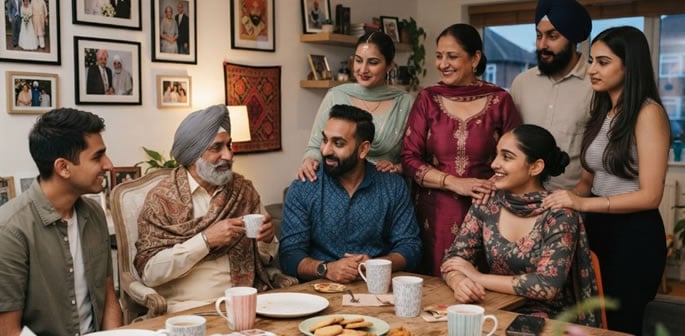
"The silence around caste should not be mistaken for its absence."
Caste remains an issue within some Punjabi communities, both in South Asia and across the global diaspora.
While many Punjabis reject caste discrimination, social identities linked to caste continue to influence marriage, family expectations, community networks, and cultural traditions.
The caste system has existed in South Asia for centuries, creating social divisions based on occupation, ancestry, and status.
Although laws have challenged caste discrimination, social attitudes have not disappeared overnight.
For Punjabi communities, caste has developed through a complex history shaped by religion, colonial rule, migration, and changing social structures.
Understanding The History of Caste in South Asia
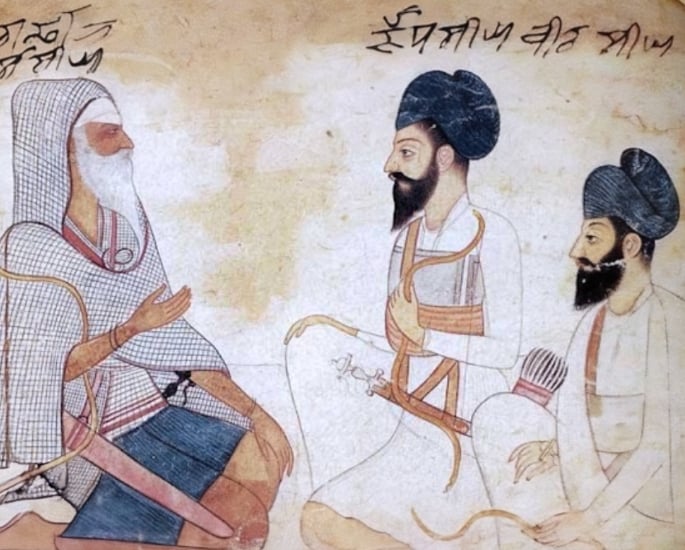
The origins of the caste system are linked to ancient South Asian social structures that shaped society for centuries.
The concept of varna, found in early Hindu texts, divided society into broad categories based on social roles and occupations.
These categories included Brahmins, traditionally associated with religious duties, and Kshatriyas, linked with ruling and warrior roles.
Vaishyas were connected with trade and agriculture, while Shudras were associated with labour and service roles.
However, historians argue that caste evolved into a far more complex social system over centuries.
In Caste, Society and Politics in India from the Eighteenth Century to the Modern Age, author Susan Bayly says:
“Caste is not and never has been a fixed fact of Indian life.
“Both caste as varna (the fourfold scheme of idealised moral archetypes) and caste as jati (smaller-scale birth-groups) are best seen as composites of ideals and practices that have been made and remade into varying codes of moral order over hundreds or even thousands of years.”
These groups often became associated with specific occupations and local identities.
The system became deeply embedded in many parts of South Asian society.
According to the Encyclopedia Britannica, caste refers to hereditary social groups traditionally defined by status, occupation, and restrictions around marriage and social interaction.
Although caste is often associated with Hindu communities, caste-like social divisions have also existed among some Sikh, Muslim, and Christian communities in South Asia.
This historical context is particularly relevant when examining Punjab.
How Caste Developed Within Punjabi Society
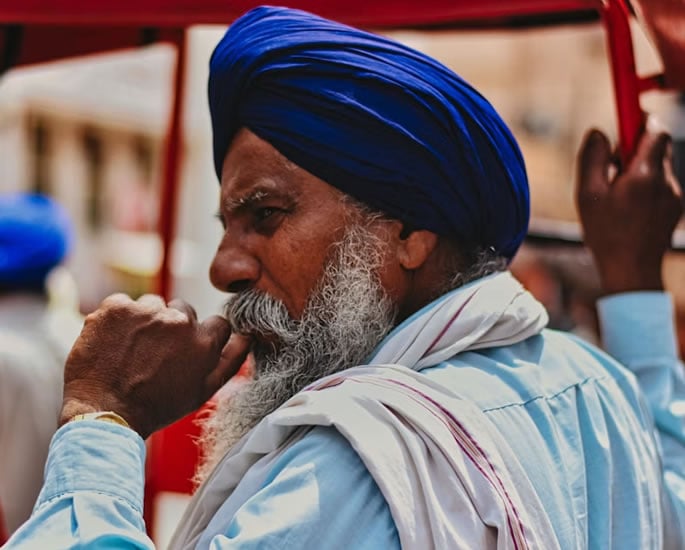
Punjab has long been home to diverse communities and occupations, all of which have shaped its social landscape.
Agriculture played a significant role in the development of Punjabi social structures.
Land ownership and village hierarchies often influenced social status and community relationships.
Communities such as Jatts became closely associated with agriculture and land ownership, contributing to their social and economic influence.
Other communities, including many Dalit groups such as Mazhabi Sikhs and Ravidasias, have historically experienced social exclusion and discrimination.
However, caste identity in Punjab has never been entirely fixed or experienced in the same way by all communities.
Economic change, education, urbanisation, and migration have transformed how caste is understood and expressed across generations.
While many Punjabis believe caste holds less significance than it once did, others argue its influence has become less visible rather than disappearing altogether.
University Professor Meena Dhanda said: “The silence around caste should not be mistaken for its absence.”
Her observation suggests that although caste may be discussed less openly today, it can still influence everyday life in subtle ways.
Rather than appearing through explicit discrimination, caste may shape family expectations, marriage preferences, social networks, and ideas around status and belonging.
Does Caste Affect Marriages?
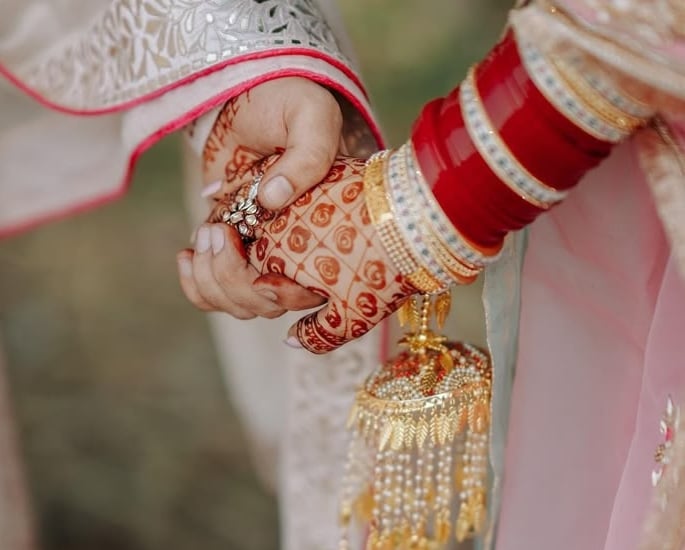
Marriage remains one of the most significant areas where caste continues to influence attitudes within some Punjabi communities.
In some families, caste still plays a role in decisions about relationships and choosing a life partner.
Parents may encourage their children to marry within their own caste to preserve family traditions and community ties.
These expectations are often rooted in long-standing beliefs about identity, social standing, and maintaining family reputation.
Harpreet Singh reflected on his experiences:
“When I was younger, it wasn’t presented as discrimination, but as respecting tradition.”
For many young Punjabis, this can create difficult conversations and tensions between personal choice and family expectations.
Dating or marrying outside one’s caste background may challenge traditions passed down through generations.
However, attitudes are gradually changing, particularly among younger generations.
In cities and diaspora communities, many Punjabis now place greater importance on shared values and mutual respect than caste identity.
University student Simran Bains said:
“For many young Punjabis, caste is becoming less important. However, family expectations can still influence relationship choices.”
The Role of Caste in the Punjabi Diaspora
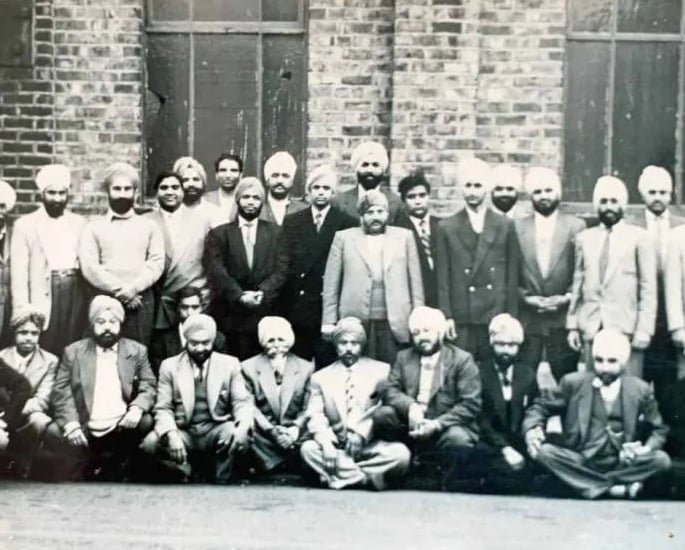
Migration has reshaped Punjabi communities, creating thriving diaspora populations across countries including the UK, Canada, and the United States.
As Punjabis settled abroad, many established cultural, religious, and social institutions that helped preserve their language and shared sense of identity.
Gurdwaras, community organisations, and cultural associations became central to diaspora life, offering spaces for worship and support across generations.
However, some researchers argue that caste identities and social attitudes also travelled with migration.
In the UK, conversations around caste have emerged within parts of the British South Asian community.
The issue gained greater public attention during debates over whether caste discrimination should receive specific legal recognition.
The House of Commons Library has examined the legal position surrounding caste discrimination and the debates over its inclusion within the Equality Act 2010.
Community experiences remain diverse and often differ between families, generations, and local communities.
Some British Punjabis believe caste has little relevance in modern society.
Others say caste-based attitudes can still influence marriage preferences, social networks, and community relationships, even if they are less openly discussed.
Dalit Punjabi Voices and Representation
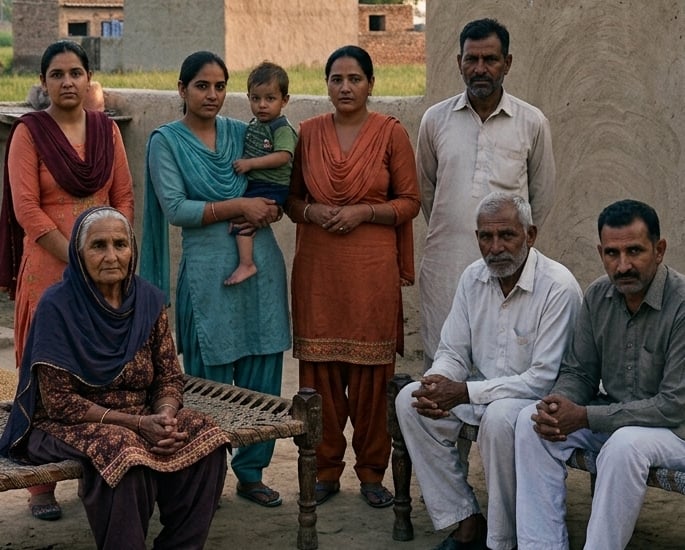
Discussions about caste in Punjabi communities cannot be complete without recognising the experiences and perspectives of Dalit communities.
Across South Asia, many Dalit communities have historically faced discrimination and limited access to opportunities because of caste-based prejudice.
Many Dalit activists and scholars argue that caste discrimination continues to limit economic opportunities and social acceptance despite legal protections.
Research by the International Labour Organisation has found that caste-based discrimination remains a barrier to equal employment and decent work across South Asia.
At the same time, Dalit Punjabi communities have made significant contributions to Punjab’s cultural and social development.
Their influence can be seen across music, literature, politics, religious life, and grassroots activism.
Recognising these contributions helps challenge long-standing stereotypes and broadens understanding of Punjab’s diverse history and identity.
Caste, Culture and The Future of Identity
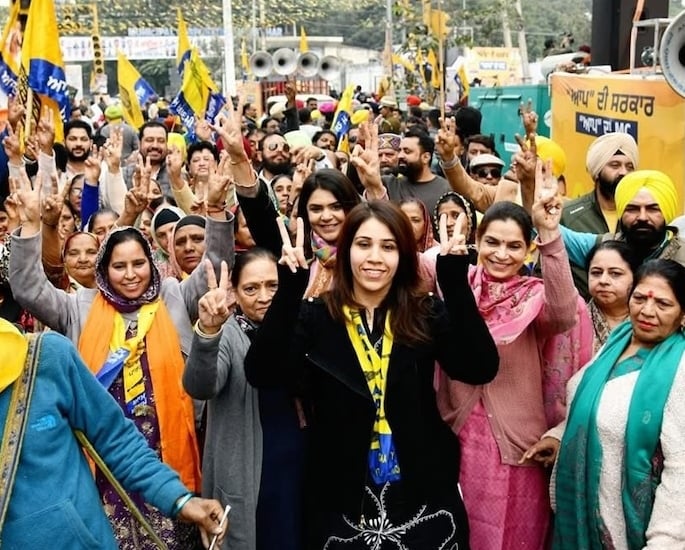
Punjabi identity is often celebrated through language, music, food, and shared traditions.
For many people, being Punjabi represents a cultural connection rather than a caste identity.
However, understanding caste remains important because history continues to influence communities today.
The conversation is not simply about whether caste exists.
It is about understanding how historical structures continue to shape modern experiences.
Many Punjabis are creating a future where cultural heritage can exist without social hierarchy.
Sukhi Grewal said:
“Preserving Punjabi culture does not mean preserving inequality.
“Communities can celebrate their heritage while challenging outdated traditions.”
Caste remains a complex and evolving issue within some Punjabi communities worldwide.
While its influence has declined in many spaces, particularly among younger generations, caste-based attitudes can still shape family expectations and community dynamics.
Punjab’s history demonstrates that caste has never been experienced singly or universally.
Its impact has varied depending on factors such as religion, region, class, migration, and individual experiences.
As Punjabi communities continue to evolve across the globe, conversations around caste and equality remain essential.
Acknowledging caste history does not define Punjabi communities by division, but allows people to better understand the past while working towards a more inclusive future.