
















































“Hair oiling is an ancient practice used to strengthen and moisturise hair.”
Hair oiling has been a staple of South Asian beauty routines for generations, passed down through families as both a haircare ritual and cultural tradition.
Today, this traditional practice is gaining renewed attention as younger consumers rediscover familiar beauty rituals through social media.
But what are the benefits of hair oiling, and does it actually work?
Research suggests certain oils can help reduce protein loss, protect hair from everyday damage, and improve its overall condition.
From traditional coconut oiling to modern pre-wash routines, here is what the science says about this enduring Desi haircare ritual.
Why Do South Asians Oil Their Hair?
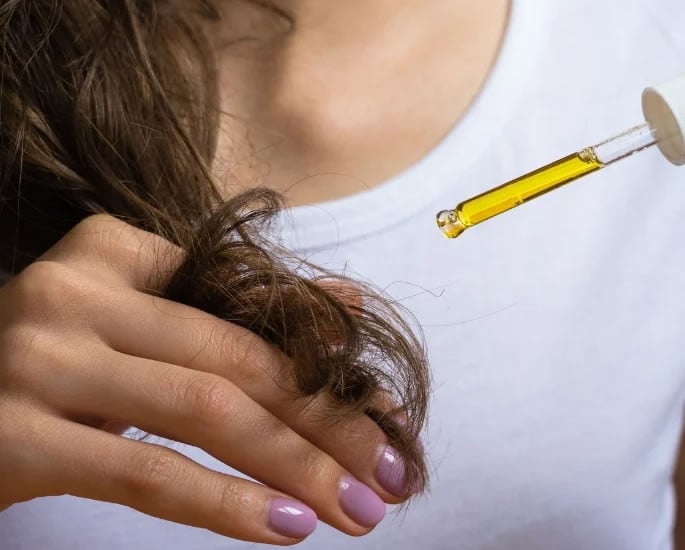
Hair oiling has long been a cornerstone of traditional South Asian haircare, with practices passed down through generations.
It is widely practised across India, Pakistan, Bangladesh and South Asian diaspora communities worldwide.
For many families, applying oil is more than a beauty treatment.
Dermatologist Dr Shilpi Khetarpal, speaking to Cleveland Clinic, explains that hair oiling has roots in Ayurvedic medicine and Indian tradition and has more recently gained popularity in natural haircare.
“Hair oiling is an ancient practice used to strengthen and moisturise hair.”
It can be a weekly ritual shared between parents, grandparents and children.
Different communities have developed their own hair oiling traditions.
Coconut oil remains particularly popular, alongside mustard, sesame, almond and amla oils. Traditionally, these oils have been used to keep hair feeling nourished, manageable and healthy-looking.
There is also growing scientific interest in how oils interact with the hair shaft.
Hair is primarily made from keratin, a protein that can become damaged through everyday styling.
Washing, brushing, heat styling and environmental exposure can all contribute to wear over time.
Certain oils can coat the hair and reduce friction, helping to minimise some mechanical damage during grooming.
Coconut oil has received particular attention from researchers because it can penetrate the hair shaft.
Studies suggest it can reduce protein loss, which may help explain its enduring popularity in South Asian haircare.
However, oiling is not a miracle treatment. It cannot repair permanently damaged hair or reverse every form of hair loss.
Its main benefits are linked to protecting the hair fibre, improving manageability and helping hair maintain a healthier appearance.
What are the Benefits of Oiling Hair?

One of the main benefits of hair oiling is that it can help protect the hair from everyday damage.
Applying oil can help reduce friction during brushing, combing and styling, potentially minimising breakage over time.
Oiling can also leave hair feeling softer and easier to manage, particularly for those with dry or coarse hair.
Coconut oil is one of the better-studied options because it can penetrate the hair shaft.
Other oils may sit mainly on the surface, helping create a protective layer around the strand.
Oil can also reduce the amount of water absorbed by hair during washing.
Repeated swelling and shrinking of the hair fibre can contribute to damage over time.
Applying oil before shampooing may therefore offer some protection.
Another noticeable benefit is increased shine.
Oils can smooth the hair’s outer surface, helping it reflect light more evenly. However, shinier hair does not necessarily mean healthier hair.
Oiling can also make hair easier to detangle, potentially reducing pulling and breakage during brushing.
Despite these benefits, oiling should not be viewed as a guaranteed hair-growth treatment.
Hair growth is influenced by genetics, hormones, nutrition, and overall health.
Claims that particular oils can dramatically accelerate hair growth should therefore be approached with caution.
Is Hair Oiling Good For Your Scalp?
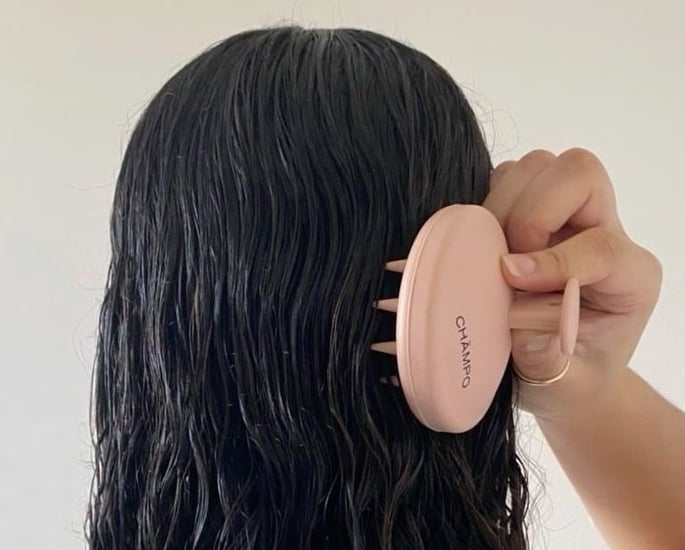
Hair oiling and scalp oiling are often treated as the same practice.
However, applying oil to the scalp can have different effects depending on your skin and scalp health.
While some people find scalp oiling soothing, others may experience irritation or worsening scalp problems.
Those prone to dandruff or seborrhoeic dermatitis should be particularly cautious.
Dandruff can involve an overgrowth of Malassezia yeast, and heavy oils may worsen symptoms for some people.
This means a traditional haircare practice is not automatically suitable for every scalp.
Dr Khetarpal gives you a particularly useful expert perspective because she doesn’t recommend oiling the scalp for everyone.
Cleveland Clinic reports her advice:
“Those who are prone to dandruff should avoid all types of oils.”
She also says people with dry, coarse, and tightly curled hair may benefit more from oiling, while people with fine, straight hair may find it weighs their hair down.
Anyone experiencing persistent itching, flaking, redness, or unusual hair loss should consider speaking to a healthcare professional.
Scalp massage is also different from the effects of oil itself.
Gentle massage can feel relaxing, but there is limited evidence that vigorous oil massage significantly increases hair growth.
More pressure does not mean better results.
Aggressive rubbing can cause unnecessary friction and contribute to hair breakage.
A gentle approach is therefore best when applying oil to the scalp.
How Should You Oil Your Hair?
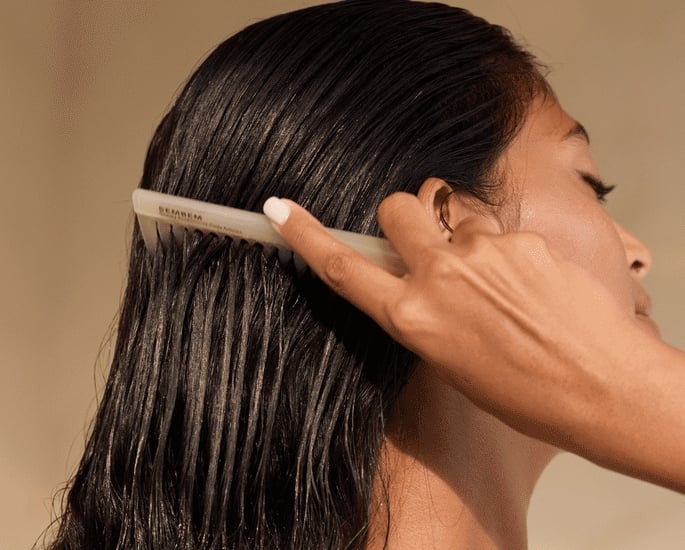
The best way to oil your hair depends on your hair type, condition, and scalp needs.
For most people, applying oil before shampooing is a simple way to protect the hair without leaving it greasy for too long.
Start with a small amount of oil and work it through the hair.
If your hair is longer or thicker, focus on the mid-lengths and ends, which are more exposed to everyday damage.
If you choose to oil your scalp, massage gently rather than rubbing vigorously.
Leave the oil on for a limited period before washing your hair thoroughly.
Keeping oil on for longer does not necessarily provide additional benefits.
Choosing the right hair oil also matters.
Coconut oil has some of the strongest research behind it for reducing protein loss, while other oils can provide conditioning and improve the feel of the hair.
However, no single oil works for everyone.
People with sensitive skin should be cautious with fragranced products and essential oils, as natural ingredients can still irritate.
Hair oiling works best as part of a wider haircare routine.
Regular shampooing, conditioning, gentle brushing and heat protection can all help maintain healthy-looking hair.
Why is Hair Oiling Trending Again?
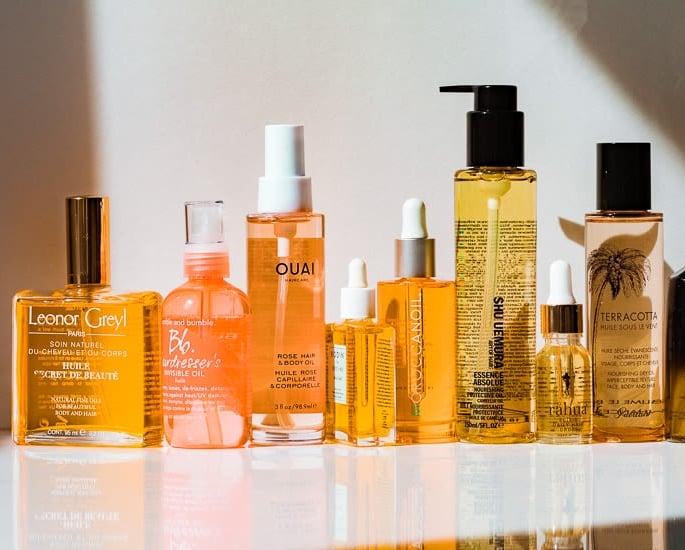
Hair oiling may be an ancient South Asian tradition, but social media has introduced it to a new generation.
Platforms such as TikTok and Instagram have helped younger consumers rediscover traditional beauty rituals, including pre-wash oiling and scalp massage.
Researchers Fabliha Hussain and Faisal Dubash, writing in the British Journal of Dermatology, noted:
“The continual rise of globalisation and social media, and increased self-care awareness, are factors that have driven their popularity in recent years.”
For South Asians, this revival can feel particularly familiar.
Practices that were once associated with parents and grandparents are now appearing in modern beauty routines.
However, the popularity of hair oiling should not be confused with a discovery.
South Asian families have relied on oils as part of their haircare traditions for generations.
The difference is that younger consumers are increasingly interested in understanding the science behind these practices.
Ultimately, what are the benefits of hair oiling?
It can help reduce protein loss, protect strands from some everyday damage, and leave hair looking shinier.
It is not a guaranteed hair-growth treatment or a cure for scalp conditions.
Used appropriately, however, hair oiling can remain a simple addition to a healthy haircare routine while keeping an important part of South Asian beauty culture alive.